One of the successes of outgoing Agriculture Commissioner Dacian Ciolos in the 2013 CAP reform was to maintain the size of the CAP budget in the 2014-2020 multi-annual financial framework (MFF), at least in nominal terms (and even in real terms in the Commission’s original proposal). This was no mean achievement given the extent of the financial crisis in Europe, the pressures on public spending and the competing demands for spending at EU level.
His success was due to persuading his fellow Commissioners that a larger share of the CAP budget would be devoted to paying for public goods, particularly environment and climate actions. However, in the subsequent negotiations on the details of the CAP reform, these commitments were greatly weakened, much to the frustration of the other Commissioners. It now appears that the other Commissioners have had enough and are fighting back, using the first amending letter to the 2015 EU budget as their instrument.… Read the rest
Agriculture in the 2030 Climate and Energy Package
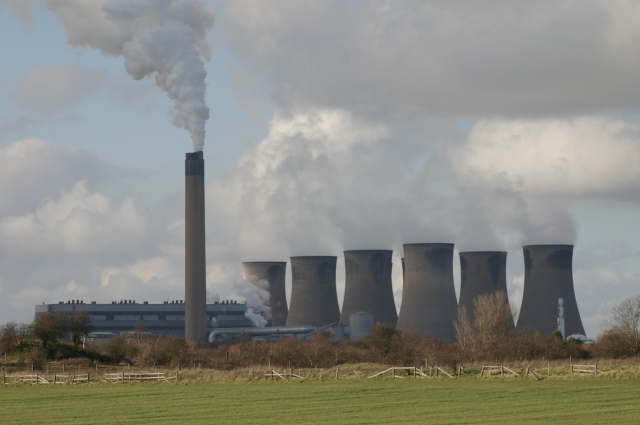
The European Council comprising the EU Heads of State and Government will meet at the end of this week 23-24 October to take a final decision, among other issues, on the EU’s new climate and energy policy framework. The plan is to agree on the target level of GHG emission reductions for 2030 so that the EU can submit its contribution for the conclusion of a global climate agreement in Paris at the end of next year at the latest by the first quarter of 2015, in line with the timeline agreed by the UNFCCC. However, according to the EUObserver, there are still significant differences of view on the targets between member states, and deadlock at the meeting is not ruled out.
The state of play
The Commission Communication presenting the climate and energy framework was published in January this year and contained the following elements:
- – a greenhouse gas emissions reduction target of 40% below 1990 levels, to be achieved only through domestic measures (without the use of international credits);
- – this overall target to be met through a reduction of 43% in emissions from the ETS sector and a reduction of 30% in emission from the non-ETS sector, both compared to 2005.
What is the growth potential of EU agriculture?
Commissioner-designate Phil Hogan committed himself to a growth, jobs and investment agenda for agriculture in his confirmation hearing with the EP’s COMAGRI. Given the stuttering EU recovery and continued high unemployment in EU countries, this is an understandable objective. But can EU agriculture rise to the challenge? Not on its past record, at least without substantially changing the policy paradigm.
It is rarely recognised just how disappointing the growth performance of EU agriculture has been over the past two decades. As shown in the figure below, the average growth rate over the period 1990-2011 for the EU-28 has been a mere 0.2% per annum. That is, over the 21-year period, the volume of agricultural output in the countries that make up the EU today grew by just 4.5%.

These data are calculated using FAOSTAT data; the data from Eurostat tell a somewhat more optimistic story with a growth rate (for the EU-15) of 0.8% p.a.… Read the rest
Phil Hogan confirmed as Commissioner
Agriculture and Rural Development Commissioner-designate Phil Hogan was strongly confirmed following his hearing before the European Parliament COMAGRI yesterday by 32 votes to 10 on the question whether he is qualified to be a Commissioners, and by 31 votes to 11 on whether he is qualified to take responsibility for his portfolio.
There were no surprises in either Phil Hogan’s opening statement or in his answers to questions (the DG AGRI website has a copy of his opening statement and a video link to the hearing). I see no reason to revise my previous assessment of the priorities for agricultural policy under Hogan’s mandate.
… Read the restThere appears to be little appetite for further substantial steps towards a more targeted CAP focused on the delivery of public goods. On the contrary, the specific mandate given to Hogan by the Commission President is to increase the focus of the CAP on “jobs, growth, investment and competitiveness”.