Cyprus Presidency issues second revised MFF negotiating box

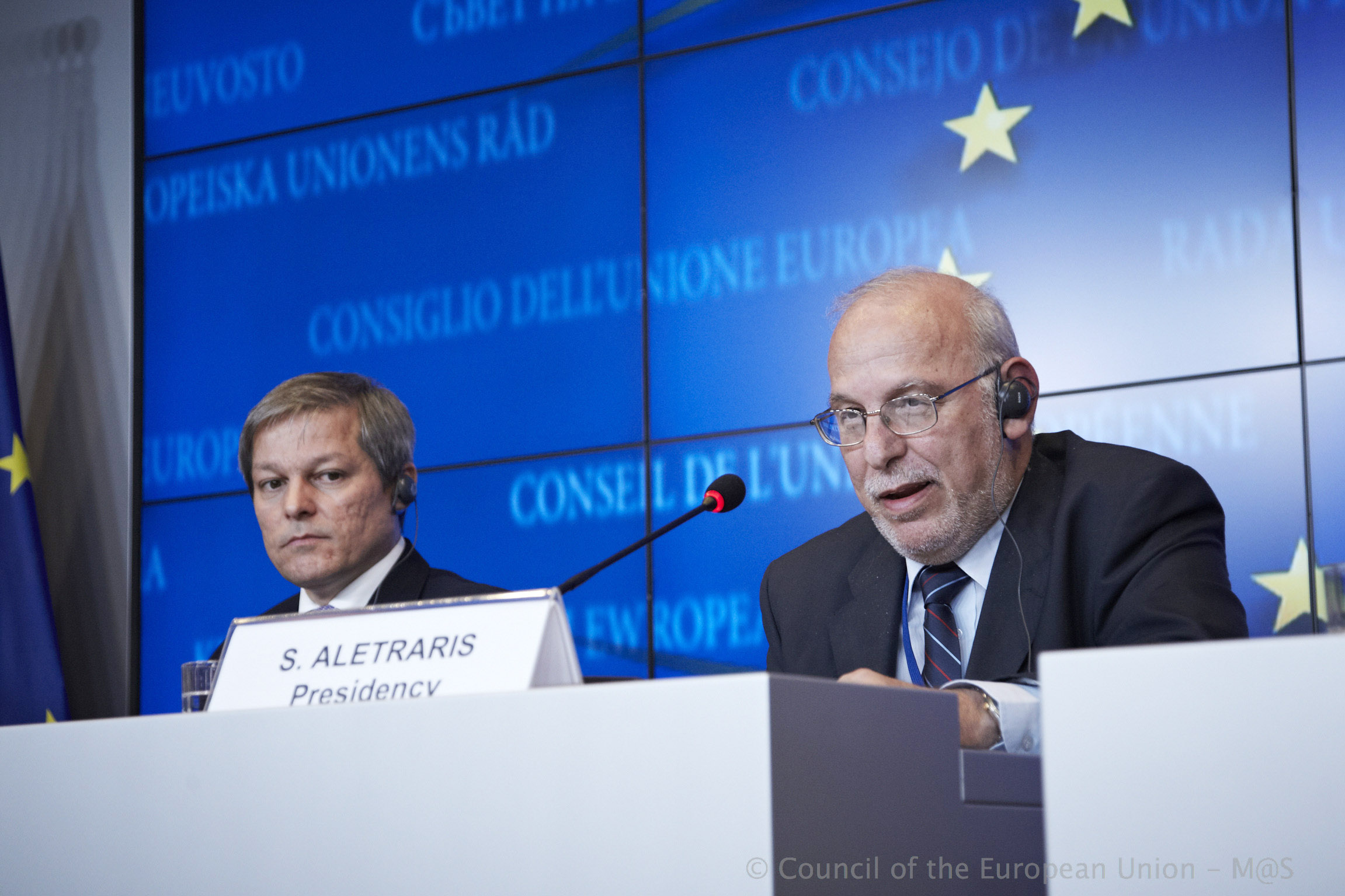
The Cyprus Presidency yesterday circulated its second revision to the MFF negotiating box, this time inserting some figures for the individual MFF headings for the first time.

It is a cautious document in its attempts to balance the very different interests of the member states as they try to reach agreement on the MFF at the special November European Council meeting. Agricultural spending escapes lightly in the Presidency proposal which shows where budget reductions in the proposed 2014-2020 MFF might fall.

The preamble to the document states that it presents savings across all Headings of the MFF amounting to at least €50+ billion (this is in comparison to the Commission’s revised MFF proposal in July 2012). However, it goes on to note:

According to the assessment of the Presidency this is a starting point for delegations in order to reflect on the effects of reductions. More sizeable reductions are needed in order to reach a compromise.
Read the rest

October Agricultural Council continues CAP debate

Agricultural Ministers continued to grind through their discussions on CAP2020 issues under the Cypriot Presidency at the Agricultural Council meeting on 22 and 23 October earlier this week. Three issues were on the agenda: internal convergence, support for young farmers in Pillar 1, and a strengthened role for producer organisations. The background note prepared by the Presidency is here, and the conclusions of the meeting are reported here. The discussions took place on the basis of two questionnaires circulated by the Presidency on internal convergence and young farmers, respectively.

Internal convergence

Many member states applying the Single Payment Scheme (SPS) have voiced concerns about the difficulties in achieving a uniform level of distribution of direct support at national or regional level (internal convergence) by 2019. The Commission has indicated its openness to address these concerns and to consider suggestions for some flexibility in the rhythm and methodology of progress, without prejudice to the principle of achieving internal convergence.… Read the rest

What potential agroforestry holds for the future CAP?

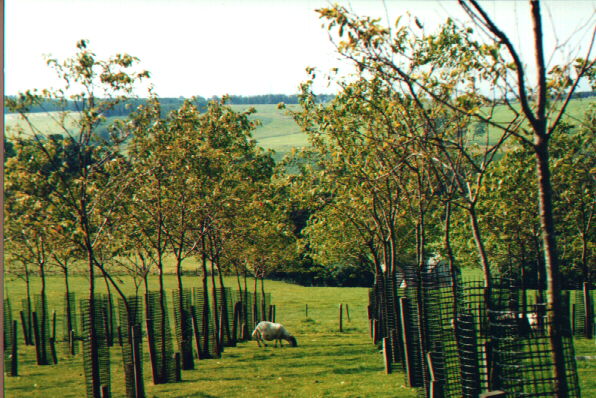
More than 80 policy makers, farmer’s representatives, NGOs and scientists got together on Wednesday this week in the European Parliament in Brussels to discuss the potential agroforestry holds for the future CAP. The event, entitled “Agroforestry: Trees for a Sustainable European Agriculture”, was organised and chaired by MEP Gaston Franco with the aim of promoting and supporting agroforestry at the European level. The programme (see agenda and presentations here) has brought together many speakers with various backgrounds and perspectives, resulting in a demonstration of a diverse and sophisticated picture of the field.

Agroforestry combines production and environmental protection in an innovative way, said Alain Canet – President of the French Agroforestry Association. It allows optimising the use of natural resources and produces biomass and biodiversity as well as it “offers innovative solutions to modern challenges of rural development,” argued Christian Dupraz, Researcher and President of the European Agroforestry Federation (EURAF).… Read the rest

Farmer-friendly ideas on greening

COPA-COGECA leaders are currently presenting their new detailed position on greening and green growth at the Congress of European Farmers, organised in Budapest on October 1?3, 2012. The theme of the Congress  is “The Future Common Agricultural Policy (CAP): How European Farmers can ensure Food Security Innovatively and Profitably”.

COPA-COGECA is largely against the greening proposals tabled by the Commission last year, saying that they make farmers do a lot more for less money, thereby leading to higher costs, higher food prices and more dependence on imports. They would also increase bureaucracy, of course. Therefore, the farmers’ organisation produced a list of six alternative measures to tackle the problem of greening in a farmer-friendly way: crop diversification (of rotated crops), a certification scheme (food), permanent grasses, replacement of EFAs by uncultivated land, break crops, protein crops.

These items, serving as an extended list of greening measures for farmers, reflects the diverse nature of European agriculture and allowing farmers to make choices more flexibly, based on their own farm situation – says COPA-COGECA.… Read the rest