
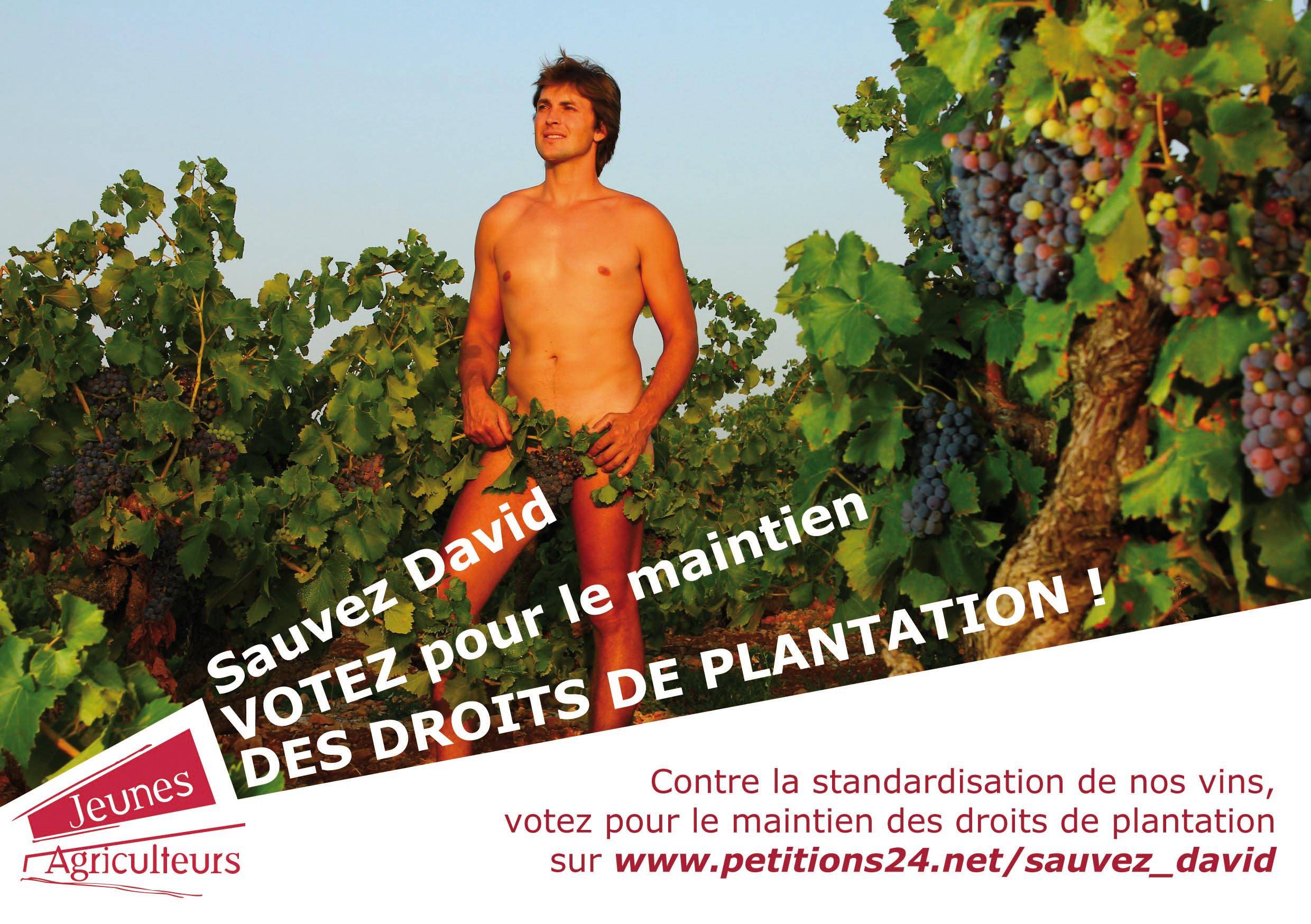
Removal of vineyard planting rights will require another French Revolution

In 2008, as part of the CAP Health Check, the Agricultural Council agreed to eliminate restrictions on the planting of new vines, albeit cautiously and over a period up to 2015, with the possibility for individual member states to extend this to 2018. Planting limitations have been a part of the CAP since the early 1960s, and there has been a total ban on new plantings of table wines since 1976 which was expanded to include quality wines in 1984.

The 2008 decision was taken to make European wine producers more competitive, to stem the loss of market share both inside and outside the EU, and was in line with the decisions to also remove supply controls in the dairy and sugar sectors.

However, in the most recent CAP 2013 reform, this decision was reversed. The combined weight of vineyard owners across Europe led to the establishment of a High Level Group on wine planting rights in 2012.… Read the rest

Food prices, poverty and the CAP

The Fabian Society in the UK has established a Commission on Food and Poverty to examine how poverty relates to the food system. The Commission published an interim report in March based on the initial evidence it has gathered. The Commission’s approach is to look at access to food, health outcomes and what the consequences of the ways the food system operates are for low-income households in the UK and consequently elsewhere.
I recently made a submission to the Commission on the way in which agricultural policy affects food prices and the implications this might have for consumption, nutrition and health. Because of the recent and ongoing reforms of the CAP, I argue that the impact of agricultural policy on food prices is now much more limited than in the past. However, high tariff protection for some products means that food prices within the EU for a handful of commodities (beef, poultrymeat, potatoes, tomatoes and possibly fruit) are higher than they otherwise need to be.… Read the rest