
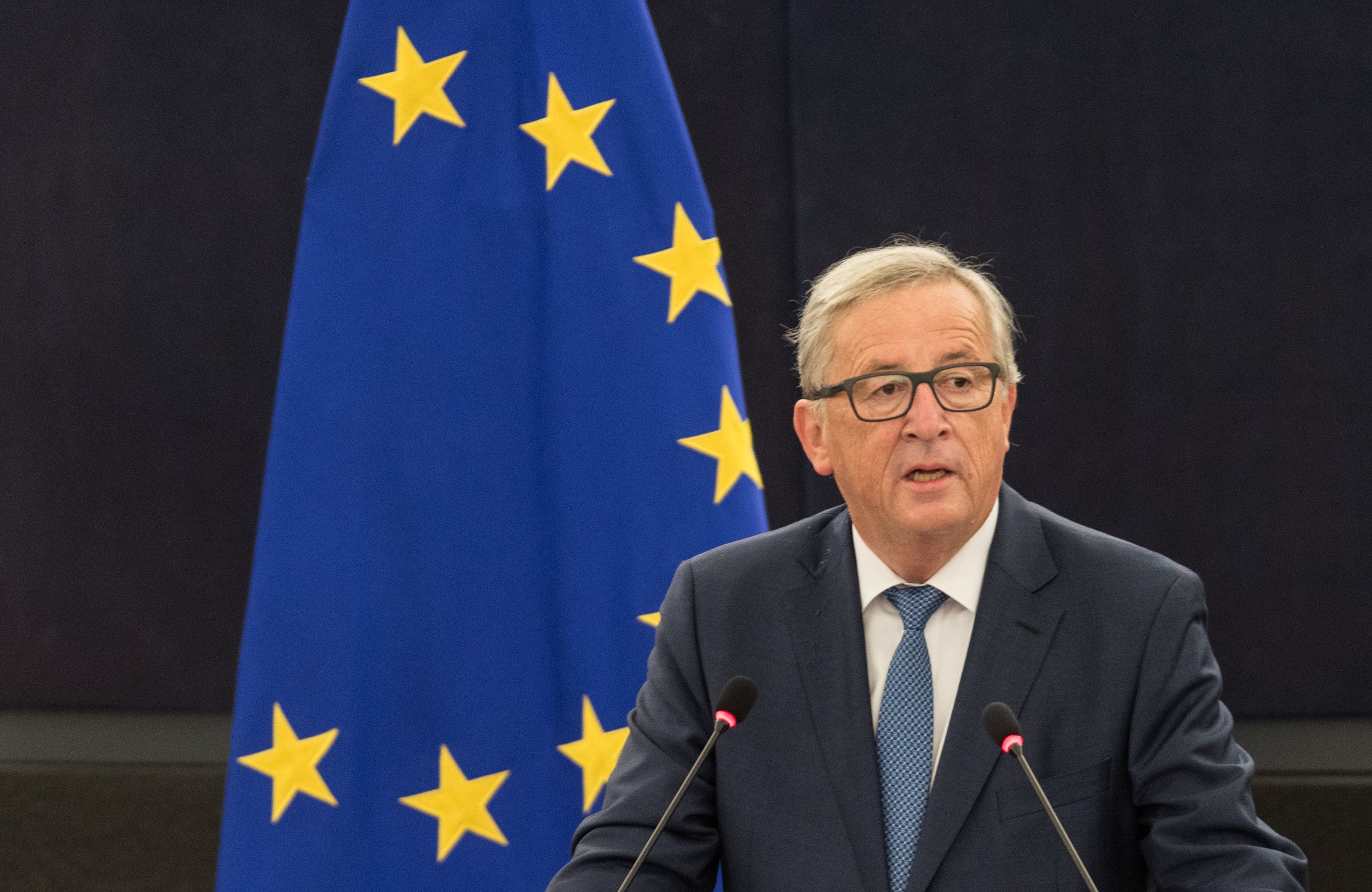
Yesterday, the Juncker Commission released its third annual Work Programme for 2017. This year’s Work Programme proposes 21 key initiatives as well as a further 18 REFIT proposals intended to improve the quality of existing EU legislation. In addition, the Commission Work Programme identifies 34 priority pending proposals made in the past two years where it seeks swift adoption by the Parliament and Council.
The Work Programme Communication contains two specific references to agricultural policy development. The full paragraph reads as follows:
… Read the restThe Commission will take forward work and consult widely on simplification and modernisation of the Common Agricultural Policy to maximise its contribution to the Commission’s ten priorities and to the Sustainable Development Goals. This will focus on specific policy priorities for the future, taking account of the opinion of the REFIT Platform, and without prejudice to the Commission proposal to revise the Multiannual Financial Framework. As concerns the position of farmers in the food supply chain, in the light of the outcome of the ongoing work of the Agricultural Markets Task Force and the High Level Forum on the food supply chain, the Commission will consider further action as necessary.