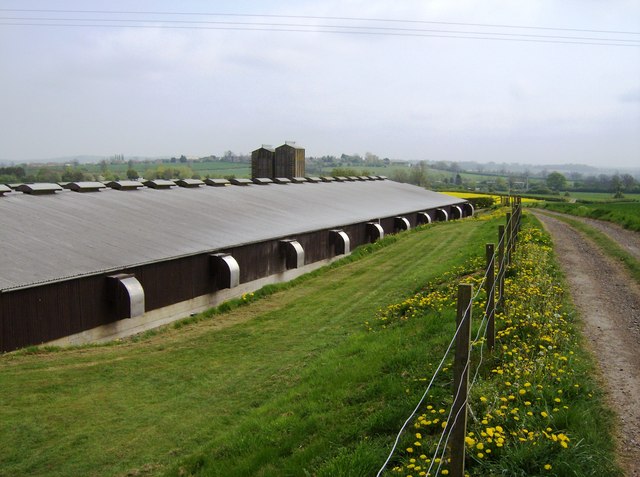
Regulating the most polluting livestock farms is justified

This post was first published in Acid News No. 4, December 2022 and is reproduced here with permission.

In April 2022 the Commission proposed to amend the Industrial Emissions Directive (IED) to increase its effectiveness in reducing emissions of industrial pollutants that are harmful to human health and the environment.

The Directive seeks to ensure that installations operate using Best Available Practices. Installations covered by the IED are required to operate in accordance with a permit which sets conditions in line with the principles of the IED.

Around 52,000 installations are currently covered by the IED, of which 23,000 are large pig and poultry farms. One of the revisions proposed by the Commission is to extend the scope of the IED to include large cattle (dairy and beef) farms and to lower the size threshold for the inclusion of pig and poultry farms.

With a proposed threshold of 150 Livestock Units (LSU), this would increase the number of farms covered by the IED to around 185,000.… Read the rest

Tracking structural change in EU agriculture

Let me welcome you to the first blog post on capreform.eu since I last posted in July. The long absence was due to two reasons. First, the blog was hacked which prevented me from accessing the back end where I construct the posts. And second, a series of commitments over the summer and autumn meant that I did not have the time (or skills) to work out how to regain access to the blog. Fortunately, the blog posts themselves remained available for those who wanted to read them.

I have now found a way around the block. The site will need a bit more work to fully stabilise it and secure it against future hacking attempts but at least I am able to post again. And for this first post after the enforced break I thought to look at what the recent publication of the Agricultural Census 2020 results on the Eurostat website can tell us about the changing structure of EU agriculture.… Read the rest