Taking developing country interests into account when designing Green Deal trade policies

Today I gave a presentation on the implications of the European Green Deal  for agri-food trade with developing countries to a webinar organized by the European Landowners’ Organisation (ELO) (the presentation can be downloaded here and you can also listen to the presentation itself as well as the webinar as a whole at the following link). The presentation was based on a paper I am preparing on this topic commissioned by the ELO and the issues raised at the webinar will feed into the final version of the paper.

The urgent need to address the challenges that face our food system, to provide healthy and adequate nutrition for all and ensure decent livelihoods while remaining within planetary boundaries, is not in question. The European Green Deal and Farm to Fork Strategy requires that food placed on the market should not only be safe but also sustainable and contribute to better health outcomes.… Read the rest
Implications of Brexit for developing countries’ agri-food trade

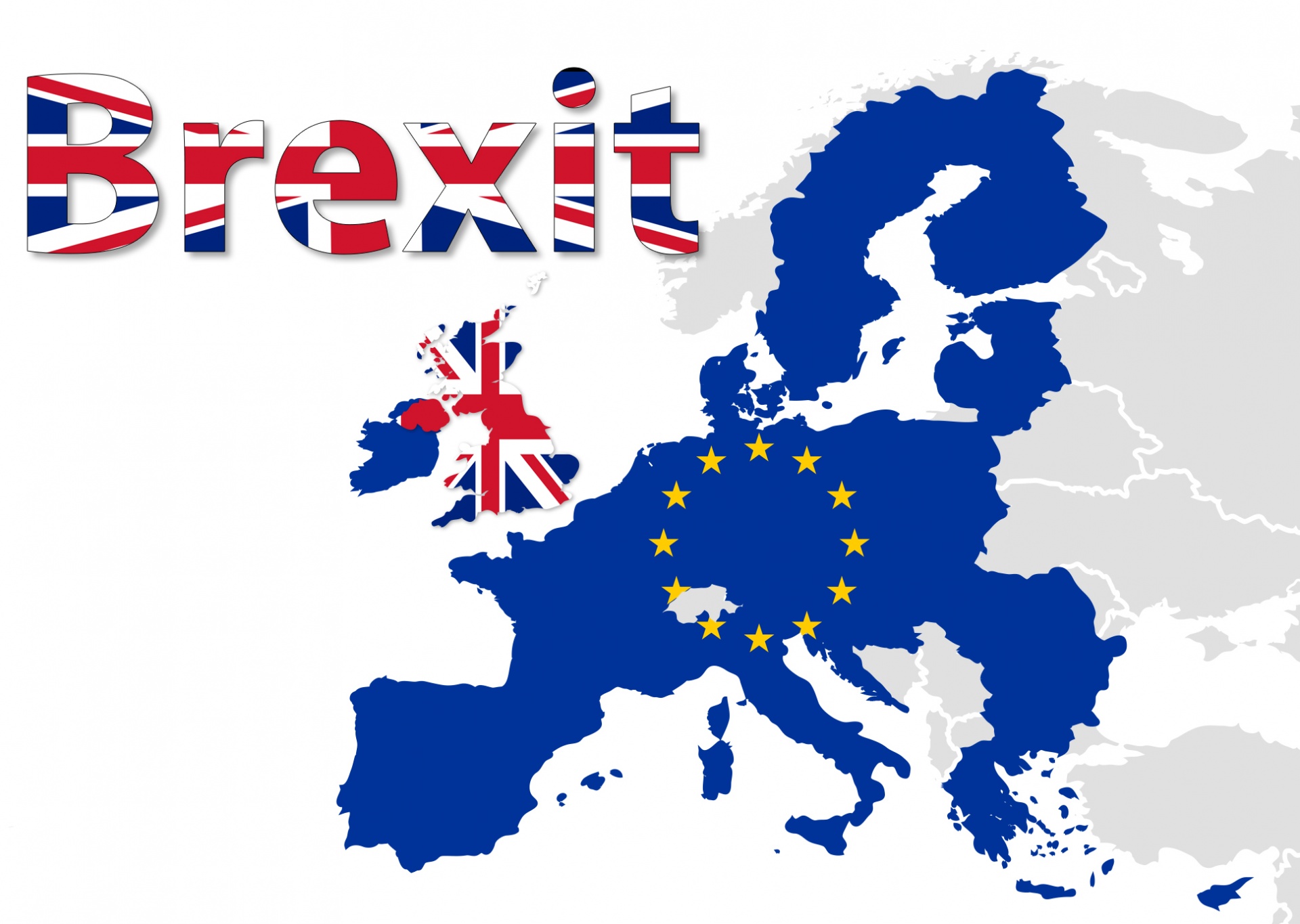
Back to Brexit, I’m afraid, but I thought readers of this blog might be interested in a recent working paper I have written on this topic. Brexit (the UK’s exit from the European Union) will have important repercussions for the agri-food trade of developing countries because of the UK’s size (it is the sixth largest economy in the world) and its important role as an importer of agri-food products (it accounts for 12% of the EU’s imports from developing countries). These effects will occur through a variety of different channels.

Some of the key conclusions of the paper are:

• There will be higher trade costs for UK-EU27 trade. The size of these additional trade costs will depend on whether there is a ‘hard’ Brexit (where the UK makes a disorderly departure on 29 March 2019 without any trade agreement in place) or a ‘soft’ Brexit (where the UK makes an orderly departure following a transition period under the terms of an agreed Withdrawal Agreement (WA) on 31 December 2020 and a free trade agreement including agricultural trade enters into force immediately thereafter).… Read the rest

Brexit and Irish agri-food trade

I am preparing to give evidence to the Irish Oireachtas Joint Committee on Agriculture, Food and the Marine on Tuesday 17 January on how Brexit might impact on the Irish agri-food sector. Ireland is the EU Member State with the most to lose from Brexit, and the Irish agri-food sector is the most vulnerable economic sector because of its high dependence on the UK as an export market. More than 80 per cent of Ireland’s key beef and dairy production is exported. Although there has been some diversification away from the UK over the past decade, it still takes 43% of all Irish agri-food exports.

In thinking about the potential impact of Brexit on Irish agri-food trade, I draw heavily on the excellent study of the potential impact of Brexit on Irish agri-food trade prepared by two Teagasc economists Trevor Donnellan and Kevin Hanrahan just prior to the Brexit referendum. Although the study was finalised in April 2016, its key messages are still valid after the referendum result.… Read the rest