Agriculture in the European Green Deal

The Commission published its Communication on the European Green Deal in mid-December 2019. Previously flagged in Commission President von der Leyen’s Political Guidelines for the new Commission, it defines the key political objectives of the new Commission for the next five years.

The headline commitment is to make Europe the first climate-neutral continent by 2050 (while conflating the EU with Europe may seem like over-reach by the Commission, it should be remembered that other European countries, most recently Switzerland, either participate in or are linked to the EU Emissions Trading Scheme and the UK government’s preference is that it will remain associated after Brexit).

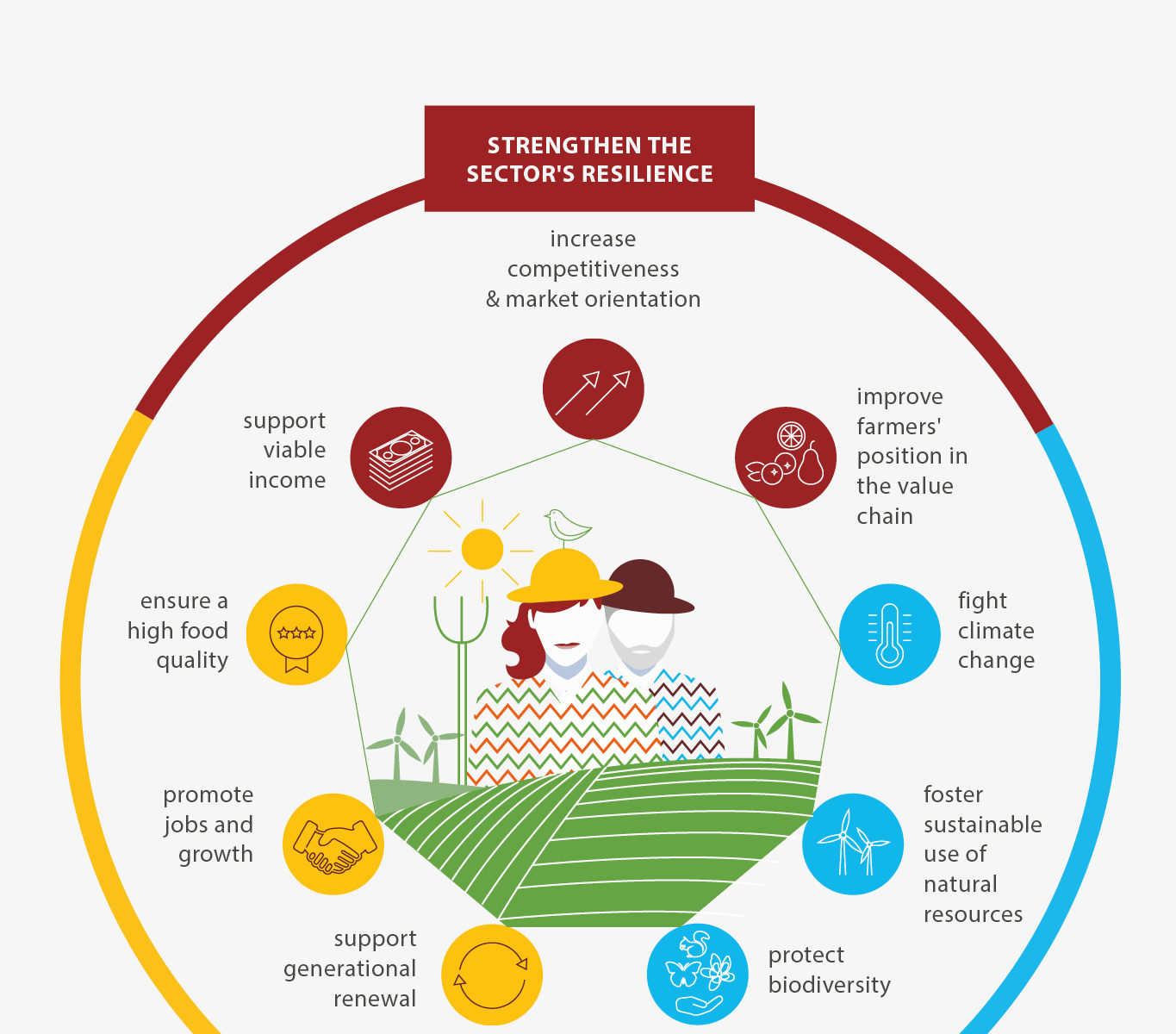
But the Green Deal goes well beyond just climate policy and is intended to address environmental sustainability issues more broadly, including the protection of natural resources and the minimisation of resource use. The broad scope of the Green Deal is illustrated in the diagram below taken from the Commission Communication.… Read the rest
Commission publishes CAP transition regulations recognising implementation of new CAP will be delayed

DG AGRI and the Commission have now officially recognised that, in view of the present state of play in both the Parliament and the Council, the basic acts governing the CAP post 2020 and the ensuing delegated and implementing acts will not be formally adopted by January 2020 and that, therefore, it will be necessary to plan for a transitional period. The new legal framework will now begin from 1 January 2022.

Although the current CAP Regulations continue in force until they are repealed, they need amendment to ensure that there is a legal basis for making payments to farmers in 2021. This is the purpose of the two draft Regulations published yesterday, one laying down transitional provisions in 2021 (including annexes) and the other extending the financial discipline provisions as well as the possibility to shift funds between the two Pillars of the CAP (including annexes).

This post examines the implications of the Commission’s proposals for Member States and farmers.… Read the rest

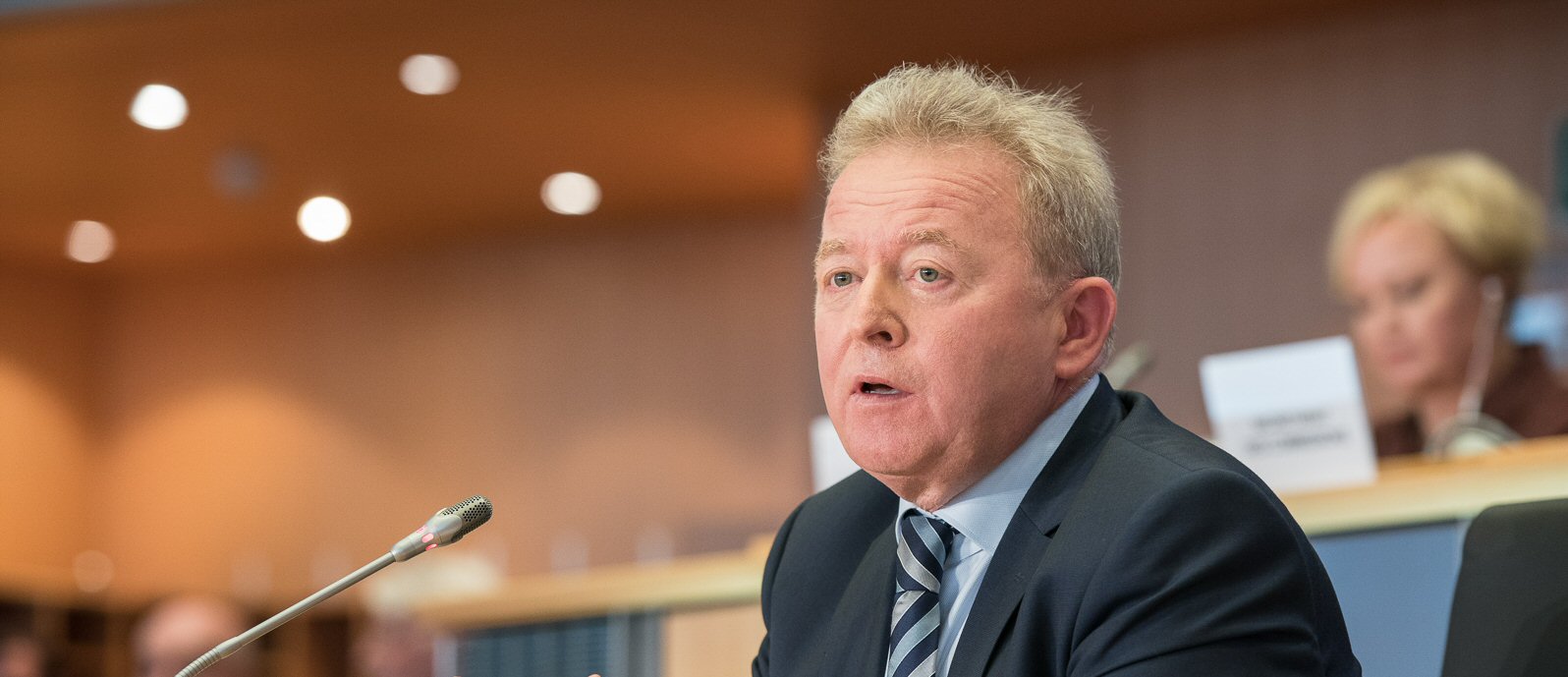
Agriculture Commissioner-designate Wojciechowski stumbles at hearing

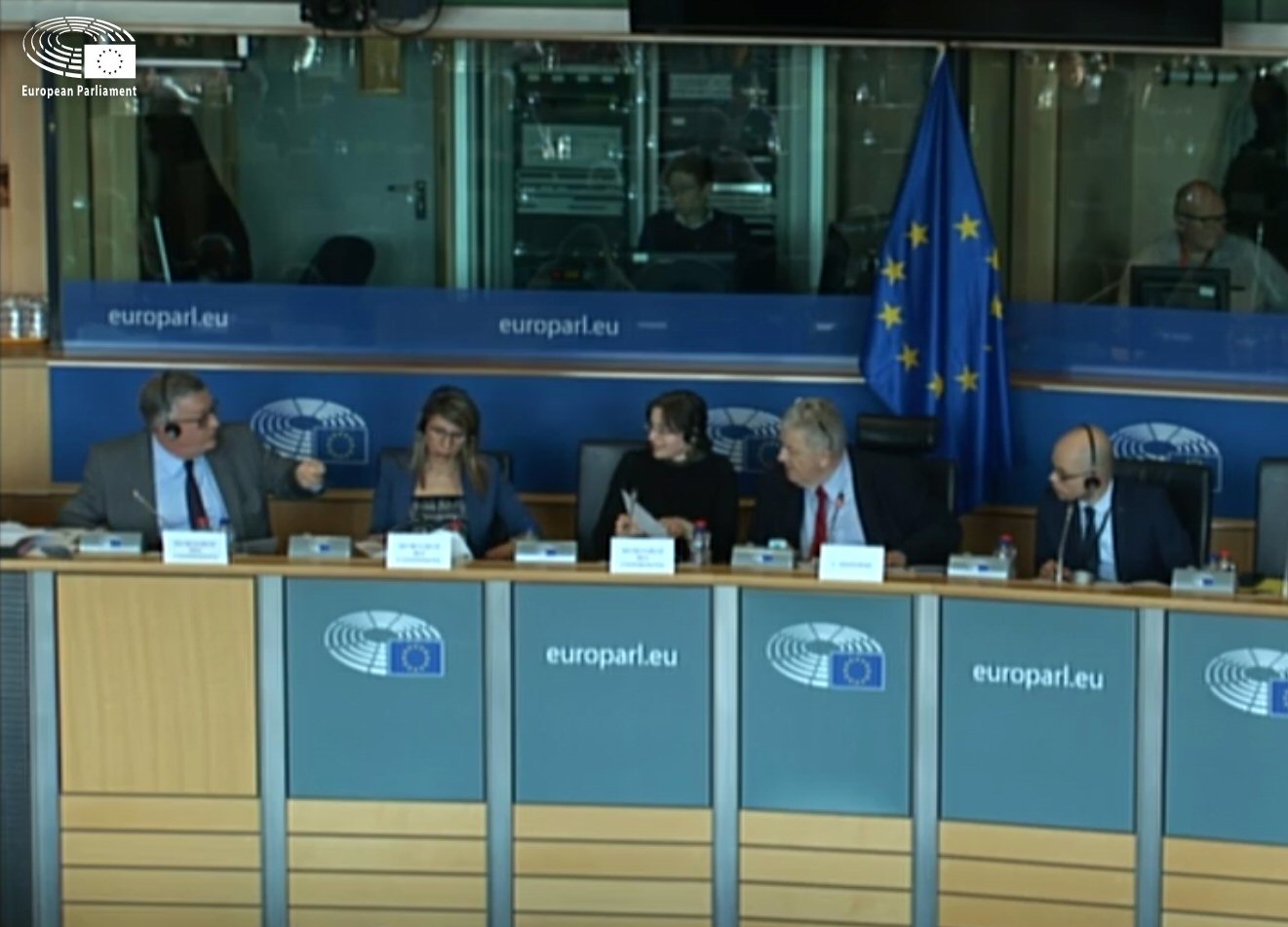
One piece of advice given to everyone who goes for a job interview is that you need to prepare. Commissioner-designate for Agriculture Janusz Wojciechowski seemed to have done limited preparation for his hearing in front of COMAGRI (with COMENVI as an associated committee) in the European Parliament earlier this week and failed to impress. As a result, he has been asked to respond to a fresh set of questions submitted by the Committee before it decides if it is willing to support his candidacy.

Wojciechowski has a legal background and rose to become a senior judge in Poland.… Read the rest

What will the European Parliament elections mean for CAP reform?

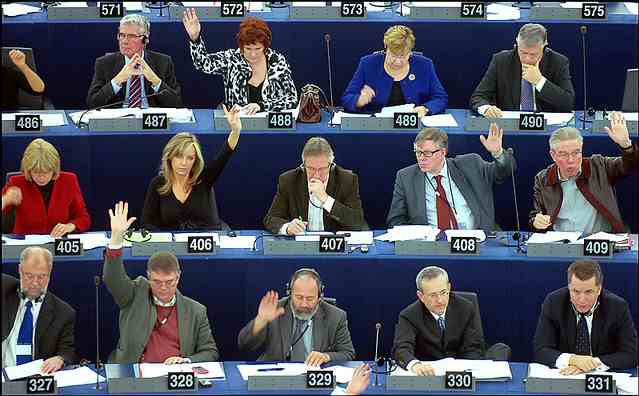
The European Parliament (EP)’s agricultural committee adopted its Opinions on the three CAP-related legal proposals earlier this month. However, lack of time during this Parliamentary session before elections take place to the EP at the end of May means that the Parliament itself will not vote on these Opinions until after the new Parliament reconvenes in July.

While the outgoing committee would like to see the new Parliament use its Opinions as the starting point for its plenary voting, there is no guarantee that this will be the case. The composition of the political groups in the new Parliament may be very different to what has existed in the current Parliament. In this post, I look at projections of EP election results in May and what this might mean for the outcome for the CAP reform legal proposals.

Political groups and political parties

There is an important distinction between political groups in the EP and European political parties.… Read the rest

Designing CAP Strategic Plans to maximise environmental and climate potential

Those seeking to influence the design of the CAP post 2020 should understand the process of designing Strategic Plans, and the opportunities and constraints inherent in this process. In a recent working paper, I try to explain how Strategic Plans will be constructed and the key entry points for those seeking to improve the environmental and climate ambition of these Plans. The paper is written from a development perspective but the messages have a more general relevance.

The paper does not discuss how the CAP legislation itself might be improved from an environmental or development perspective. The Parliament’s Committee on Development and Environment Committee have submitted their Opinions to the agriculture committee with a range of suggestions in this regard (the latter still only available in Italian), although few were taken on board in the AGRI Committee voting . The paper takes the Commission’s legal proposal as its starting point, and the scope this gives to Member States to design more targeted national policies in the context of the proposed overall shift from a compliance-based to a performance-based policy.… Read the rest

COMAGRI lacks full transparency in crucial votes

Th AGRI Committee voted its Opinion on amendments to the CMO Regulation on Monday 1 April, its Opinion on the Strategic Plan Regulation on 2 April and will vote its Opinion on the Horizontal Regulation on financing, management and monitoring of the CAP today 8 April. I plan to comment on the substantive outcome of these votes in the coming days. In this post I want to comment on a procedural aspect of these votes that I find does not live up to the norms of acceptable practice and which makes it impossible for anyone not in the inner circle to follow the voting on these Opinions. My complaint concerns the unavailability of the compromise amendments and the voting lists without which the public proceedings of the Committee on these days was incomprehensible.

The compromise amendments play a key role in shaping the Committee’s opinion. To see their importance, we can quote from the News Highlights on the Committee’s home page accessed on 7 April (this is a dynamic page so this link will not work after a week or two).… Read the rest

AGRIFISH Council on CAP reform negotiations in mid-March

The AGRIFISH Council and the AGRI Committee of the European Parliament both held meetings to discuss their respective positions on the Commission’s proposed CAP regulations for the period post 2020 on Monday March 18th last. These meetings provided an opportunity to assess the progress made in each body to agree their initial positions as well as giving some insights into the changes that might be proposed. The AGRIFISH Council meeting was more informative in this respect. The AGRI Committee debate lacked focus because no formal positions were presented at its meeting and we must wait until its April meetings to see the compromise amendments it will decide. This post gives an update on the discussions in the AGRIFISH Council focusing on proposed amendments to the Strategic Plans Regulation.

Positions in the AGRIFISH Council

The debate in the Council was based on a Romanian Presidency progress report which was accompanied by specific drafting amendments to the Commission’s three proposed regulations for the CAP post 2020.… Read the rest

Hogan addresses COMAGRI on environmental ambition in CAP

Commissioner Phil Hogan gave a presentation last week (Jan 24th) on the proposed environmental and climate architecture in the Commission’s legal proposal for the CAP post 2020 to the AGRI Committee of the European Parliament (the video session can be reviewed here). Today Monday (Jan 28th) the Commissioner gives a similar presentation to the AGRIFISH Council.

There are of course technical issues to be clarified around the Commission’s proposals. How will the proposed eco-schemes in Pillar 1 relate to agri-environment-climate measures (AECMs) in Pillar 2? How will Member States’ level of environmental and climate ambition in their CAP Strategic Plans be evaluated, and how will the level of effort across Member States be compared by the Commission when it approves these Plans? How will double funding be avoided, and what measures will Member States be able to fund in their eco-schemes?

However, the Parliament rapporteurs and the Member State representatives on the Working Party on Horizontal Agricultural Questions (CAP reform) under the AGRIFISH Council have ample opportunity to raise these technical issues with the Commission.… Read the rest

How to improve the CAP’s environmental performance post 2020

We are pleased to welcome this guest post by Faustine Bas-Defossez, IEEP Head of agriculture and land management program, and Kaley Hart, IEEP Senior fellow, who summarise the findings of a recent IEEP report CAP 2021-27: Proposals for increasing its environmental and climate ambition.

Although the CAP is the key EU funding mechanism to support environmental and climate action in the EU agricultural and forest sectors, efforts so far to green this strategic policy have not been sufficient to outweigh the pressures facing the farmed environment. As the EU just published its long term strategy for a climate neutral economy, emissions of greenhouse gasses from agriculture, including the livestock sector, are stubbornly high. Furthermore farming itself depends heavily on healthy soils and water supplies, on pollinators in sufficient abundance and on well managed natural resources.

Yet paradoxically the environment usually has been relegated to a second order issue during the political wheeling and dealing that has preceded a succession of CAP reforms.… Read the rest

Update on the budgetary framework for the CAP post 2020 negotiations

As with the 2013 reform, the legislative process for the Commission’s CAP post 2020 proposal runs parallel to the discussions on its Multi-annual Financial Framework (MFF) proposal. This parallel process creates three complications for the CAP post 2020 negotiations.

The first is that the timing of the agreement on the MFF influences the timeline for concluding the CAP negotiations (let us call this the sequencing issue).

The second is that the size of the CAP budget is not known when the details of the CAP legislation are being negotiated (I refer to this as the budget issue). Uncertainty over the budget may bias the negotiations towards a more conservative CAP, in the sense of one with a lower level of environmental and climate ambition. However, I express scepticism that a higher budget would lead to a greater level of environmental and climate ambition, unless this is specifically mandated in the European Council conclusions on the MFF.… Read the rest