
The 2016 mid-term review of the Multi-annual Financial Framework

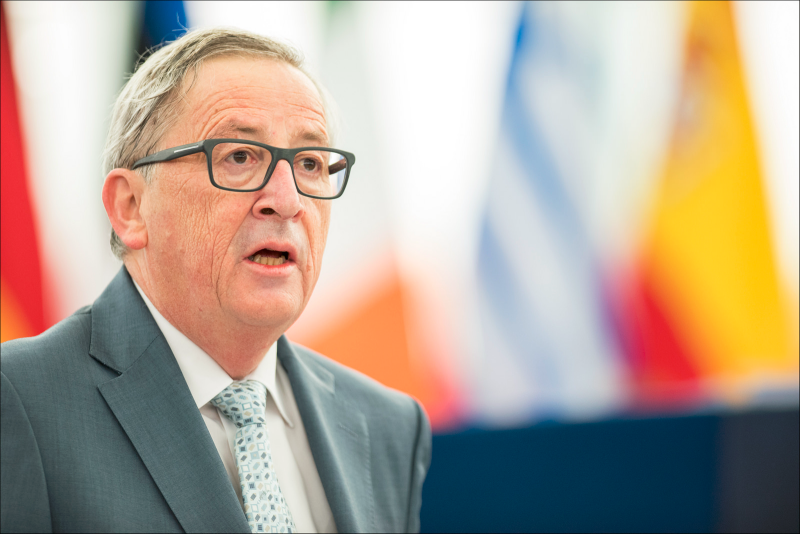
Imagine a scenario where UK voters go to the polls later this year to vote on whether to remain in or leave the EU, while at the same time in Brussels a debate is in full swing over whether to increase the ceilings for the 2014-2020 Multi-annnual Financial Framework (MFF), and thus the UK contribution to the EU budget. This seems to be the nightmare scenario behind the story carried by Euractiv earlier this week based on the views of an anonymous EU official and which declared that “the major event in the calendar of the Juncker Commission, the midterm review of the European Union’s 7 year budget, has been effectively cancelled”.

The report goes on to explain:

EU officials are too scared to come up with policy recommendations to recalibrate the €960 billion EU budget until 2020 by mid-summer, as such proposals would most likely coincide with the Brexit referendum expected in June.
Read the rest

What endgame for GIs in the TTIP negotiations?

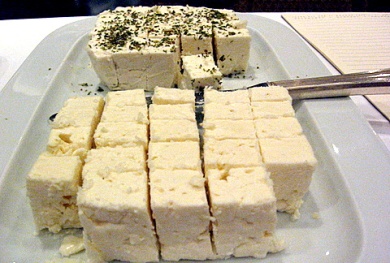
I have previously written on the importance that the EU places on extending protection for its geographical indications (GIs) in its negotiations with the US on a Transatlantic Trade and Investment Partnership (TTIP) agreement. In that post, I looked at how the protection of GIs was addressed in a number of recent EU free trade agreements, notably those with South Korea (EUKOR) and with Canada (CETA).

GIs remain one of the tough nuts to crack in the TTIP negotiations, for reasons I outline in this presentation. In a recent update on the outlook for the TTIP talks from Bloomberg, its report included GIs along with certain agricultural tariffs and sensitivities on government procurement and financial services as among the endgame issues where a resolution would only be expected as part of the political trade-offs at the end of the talks. The report noted that US and EU officials will convene a high-level working group in early 2016 to discuss GIs in an attempt to narrow the gap between the two sides.… Read the rest

WTO dimensions of a UK 'Brexit' and agricultural trade

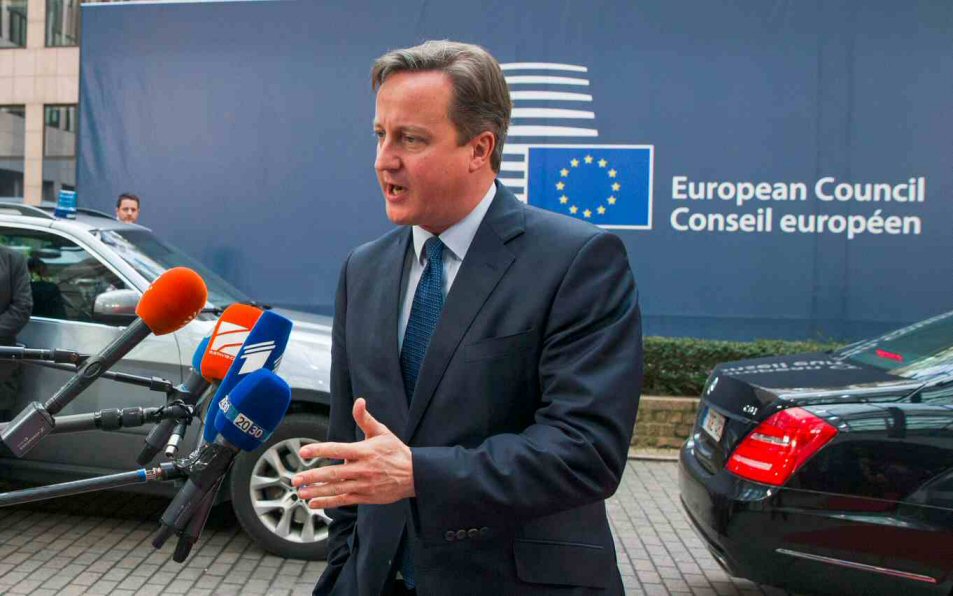
Following a first round of discussions on UK demands for a renegotiation of the terms of its membership of the EU at the European Council meeting last month, it now seems that the February meeting of the Council will agree on some package of measures and promises in response to UK Prime Minister David Cameron’s demands. It will then be up to Cameron to decide if this package is sufficient for him to campaign to stay in the EU in the referendum promised to take place before the end of 2017 and possibly later this year.

Even if Cameron decides to campaign in favour of staying in, there is no guarantee that the UK voters will follow him. A possible Brexit, or UK exit from the EU, remains a distinct possibility.

If a Brexit were to occur, the UK would have to decide on what agricultural and agricultural trade policy it wished to pursue outside the EU.… Read the rest