
Yesterday’s reshuffle of the Danish government included the appointment of a new minister for agriculture: Henrik Høegh. Less than a day into his new job, he is becoming embroiled in a political row over a perceived conflict of interest. The reason? Mr Høegh is a farmer who receives more than sixty thousand euro a year in EU farm subsidies.
Data on farm subsidies shows that since 2000, Mr Høegh has benefited from the CAP to the tune of 604,787 euros over the nine years from 2000 to 2008. Farm subsidies appear to be something of a Høegh family business: it seems his son and daughter are also significant recipients. Mr Høegh is now responsible for signing his own subsidy cheques, but also, as a member of the EU’s Council of Agriculture Ministers, deciding on the future of the CAP.
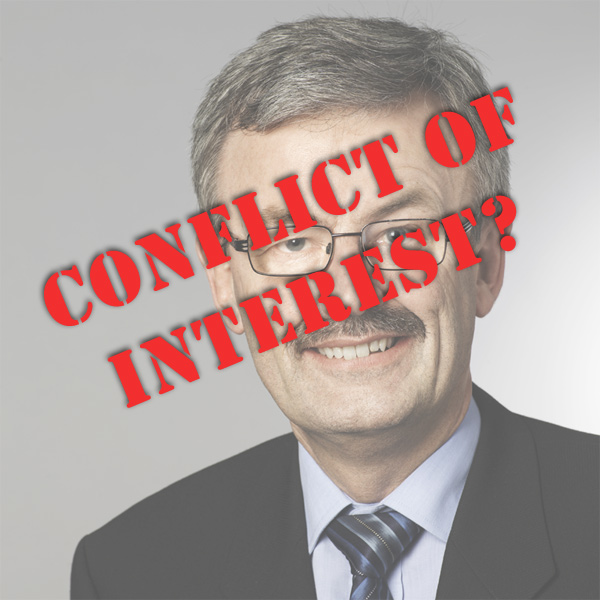
Høegh’s appointment to such a high profile and sensitive post came as something of a surprise since he’s only been a member of parliament for less than three years, before which time he was a Vice President of Danish Agriculture, the farmers union in Denmark, just the most recent position in a career spent in agricultural and farmer associations (read his CV in English here – PDF).… Read the rest