Does farm size matter?

On October 20th next I will take part in a workshop organised by DG AGRI at the Milan EXPO on the subject “Structural realities in EU agriculture: Does farm size matter?” The aim of the workshop is to discuss the challenges and opportunities brought about by the structural change of the EU agricultural sector for a) the up- and downstream industries, b) EU rural areas and c) the sustainability of agricultural production in Europe.
The debate on farm size
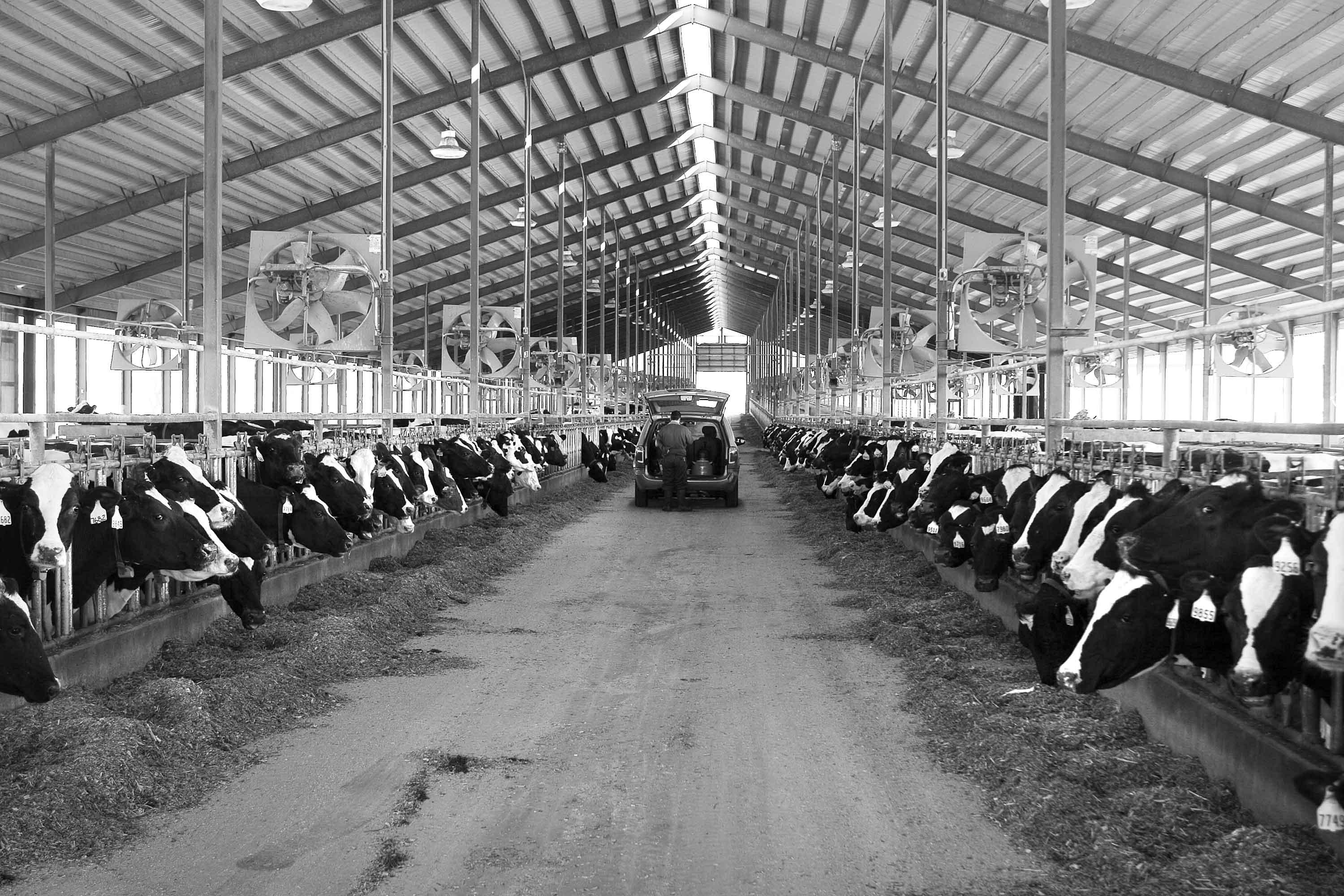
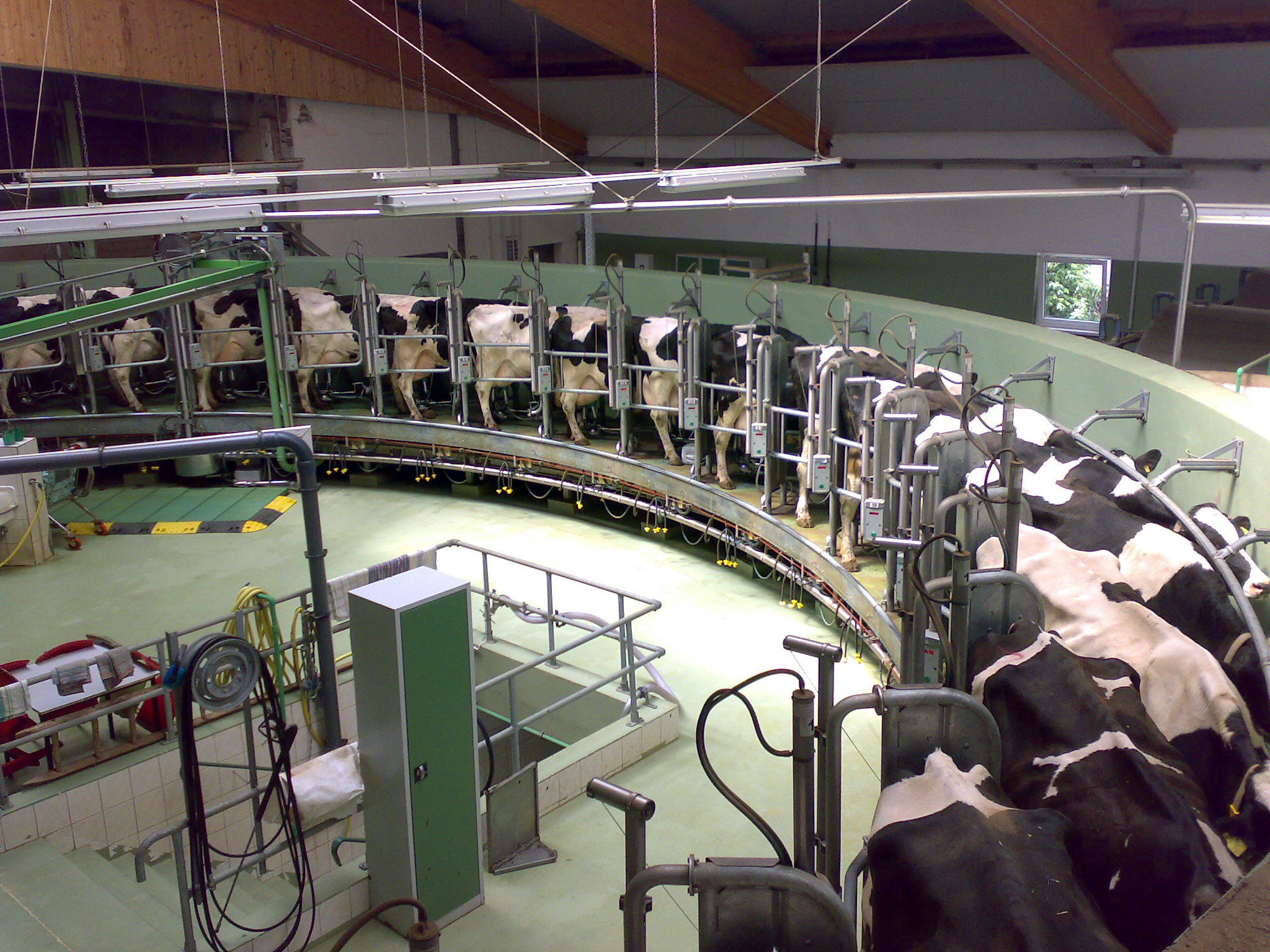
There is a long history in Europe of interest in the structure of agricultural holdings. Many European countries have had land legislation in place with the objective of maximising the number of farm holdings or limiting the maximum farm size. In recent decades, many of these restrictions have been removed, although rules limiting foreign investment in land still exist in a number of countries, particularly in the new member states. Nonetheless, the issue of farm size remains a controversial and emotional issue, as seen in the opposition to so-called ‘mega-dairies’ in a number of member states, and the introduction of the ‘redistributive payment’ option in Pillar 1 of the CAP permitting member states to make higher payments per hectare to smaller farms.… Read the rest

Decreasing food prices: Short term happiness

The FAO Food Price Index averaged 156.3 points in September 2015 which is almost 20% less than a year ago. Last month’s 155.7 points were actually the lowest value of the index in the last seven years.
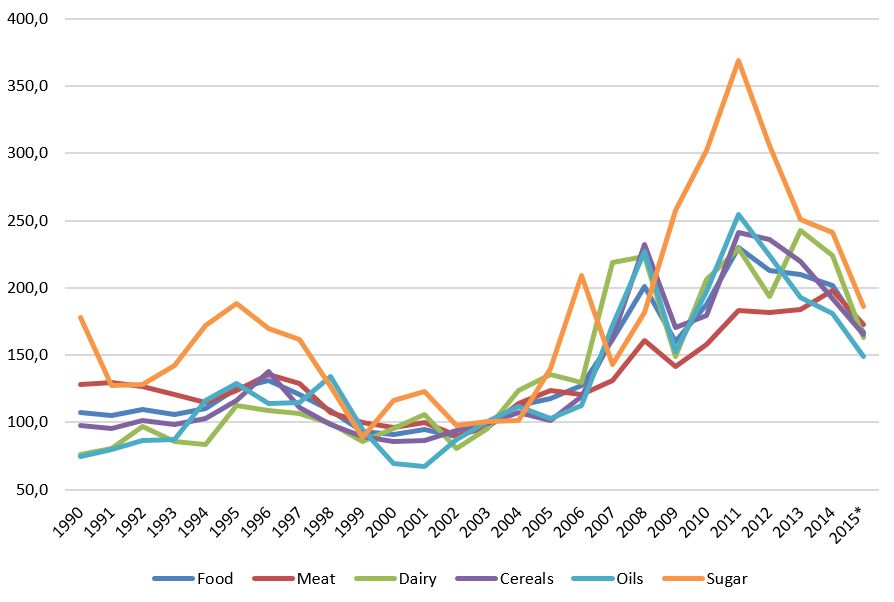
The FAO Food Prices index tracks international market prices for cereals, meat, dairy products, vegetable oils and sugar. As the following figure shows, prices of each of these are moving downwards in the short run, though they increased by 50-100% on a 2002-2004 basis.
FAO Food Price Index for 1990-2015 (2002-2004=100)

Values for 2015 are coming from January-September averages.
Source: Own composition based on FAO (2015) data
FAO suggests that reasons behind are ample supplies, a slump in energy prices and concerns over China’s economic slowdown. Another reason as some agricultural economists suggest is that food prices today are closer to reality than they were in 2006-2012 (some experts are referring to price bubbles that time).… Read the rest

Rising Agricultural Incomes in Europe

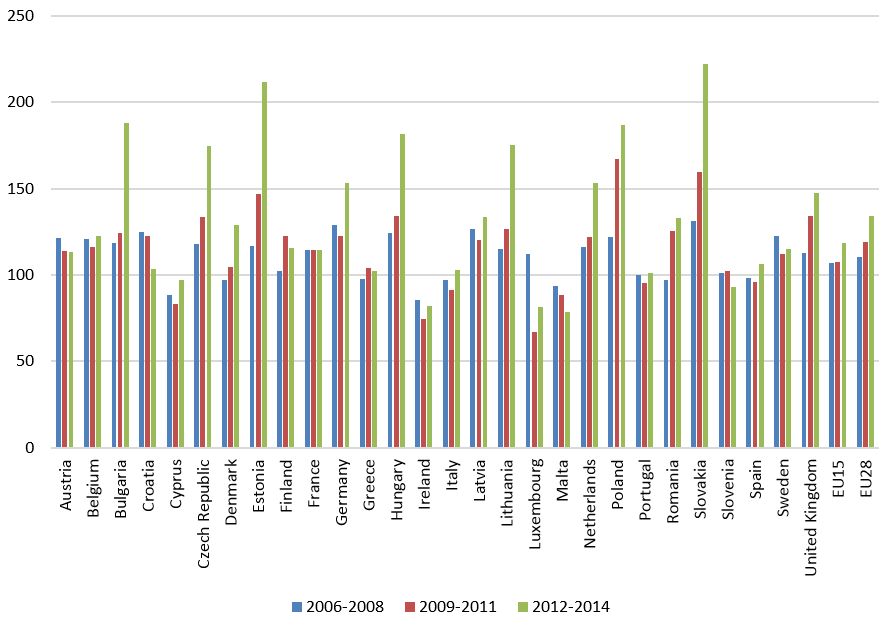
The index of the real income of factors in agriculture per annual work unit (better known as index of agricultural income or Indicator A) has increased by 18% in EU15 countries and 35% in EU28 countries from 2005 to 2014 as evident from Eurostat statistics. It is clear from the figure below that compared to 2005, agricultural incomes more than doubled in Estonia and Slovakia in 2012-2014, while it was just decreasing in Cyprus, Ireland, Luxembourg, Malta and Slovenia.

Agricultural income in the European Union by member state, 2005-2014 (2005=100)

Source: Own composition based on Eurostat 2015 data.

Without going very much into detail, it is apparent that agricultural income has been increasing in each period in the majority of the cases. Even in 2009-2011 when the economic crisis definitely had the biggest impact, agricultural real income per worker was just lower on 2005 basis in seven EU members. It is also evident from the figure above that due to increasing support, income of the New Member States (NMS) were increasing at a higher pace than that of EU15.… Read the rest

Informal Agricultural Council to discuss climate-smart agriculture

During the next two days (14-15 September) the Luxembourg Presidency invites agricultural ministers to an informal Council meeting which had been intended to focus on agriculture and climate change. Because of Commissioner Hogan’s absence through illness from last week’s Council meeting it seems that a good part of the meeting will be devoted to continuing discussions on the EU response to low milk prices. The time available for the discussion on how agriculture can best address the challenges of mitigating climate change will thus be curtailed.
However, the Luxembourg Presidency has prepared a very useful background paper intended to set the scene for discussions between the Ministers in three working groups. This paper, entitled Towards Climate-Smart Agriculture, does a very good job in setting out the context and in describing some of the options open in moving to a climate-smart agriculture.
What the Presidency paper on climate-smart agriculture does not discuss
However, there are a few striking omissions in the Presidency paper.… Read the rest

Some thoughts on the European milk crisis

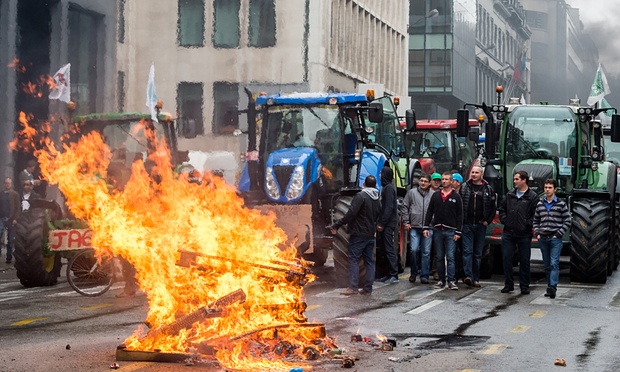
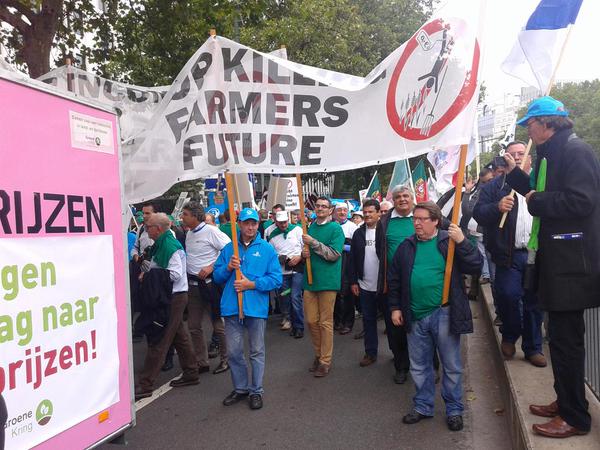
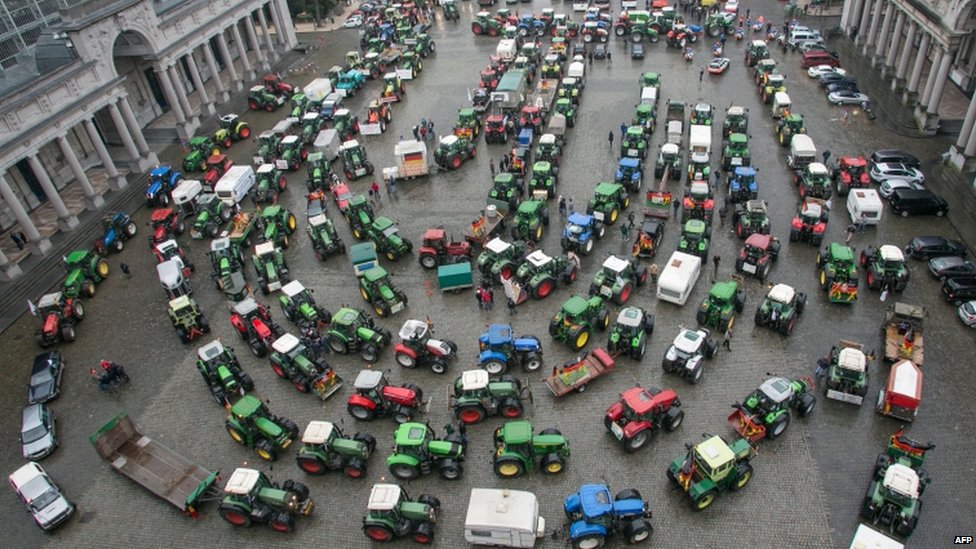
On 7th September, around 5000 European farmers demonstrated on the streets of Brussels due to falling dairy and meat prices. The demonstrators demand, amongst others, a review of the intervention system on the milk market, temporary reinstallation of milk quotas, some early direct payments to solve liquidity problems and a marketing fund assisting to sell agricultural products outside the EU.

While reading the news, an agricultural economist might have the following fundamental questions in his/her head.

1. The end of the quota system, an issue on the European policy agenda for many years, has resulted in limitless production, especially in countries with comparative advantages. However, it seems this crisis was very much unexpected at the Commission despite their economic studies dealing with the post-quota European milk market. Why are we so shocked about the simple fact that increasing supply decreases prices?

2. Farmers are complaining that the price of milk has just fallen dramatically and they are producing loss.… Read the rest

€500 million farm aid package announced

The farm aid package announced by the Commission (in the form of Vice-President Jyrki Katainen in the absence of Commissioner Hogan due to illness) at the extraordinary Agriculture Council yesterday exceeded the expectations raised by the Presidency background paper in a number of respects (the elements of which related to dairying I discussed in this post), but fell short of what some Ministers had sought and what the farm organisations deemed satisfactory. The Council’s conclusions can be accessed here.
In my view, the package is a measured response to the difficulties in some specific farm sectors and, indeed, the Commissioner has held his nerve in the face of demonstrations and protests. However, further discussions will continue at the end of this week and at the informal Agricultural Council next week (14-15 September) which otherwise will focus on agriculture and climate. These are intended to address some of the practical implementation questions raised by the Commission’s proposals but the issue of raising the intervention price for dairy products may still not be finally settled.… Read the rest

Is the producer price of milk too low?

How serious is the current dairy market situation? Are prices really below costs of production? In this post, I examine recent dairy market trends to throw light on these questions. The Agriculture Council meeting tomorrow (see this post for a preview) is expected to agree a package of aid for dairy farmers, but why should this be necessary? The Milk Market Observatory now provides detailed and up-to-date information on milk market trends and I make extensive use of its data and charts in this post.
What is happening to milk prices?


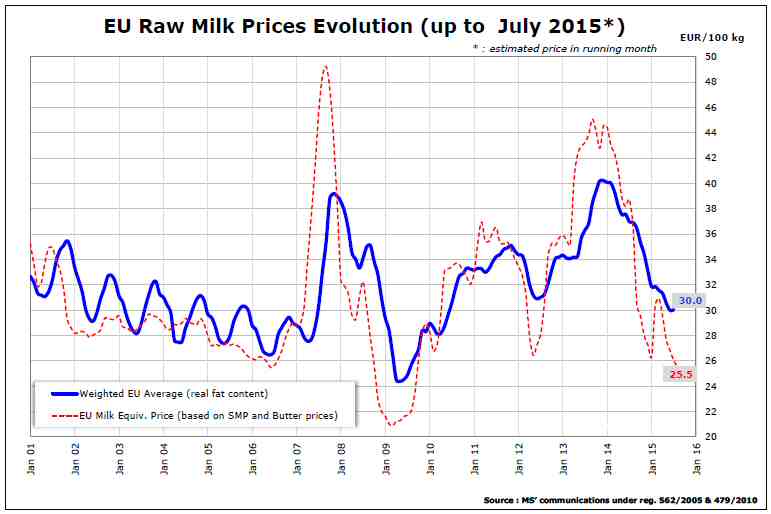
The trend in milk prices shown in the chart above can be divided into two periods: a downward trend in the years to 2007 (driven by the reduction in intervention prices and export subsidies due to CAP reform), and an upward trend since then but with great volatility. The peak price was reached in Nov-Dec 2013 when the weighted EU average milk price reached €40.21/100 kg.… Read the rest

Hold your nerve, Commissioner!

An extraordinary meeting of the Agriculture Council will be held tomorrow Monday 7 September to discuss the difficult situation on agricultural markets. The Luxembourg Presidency has floated a number of ideas for discussion to address problems in the dairy, pork and fruit and vegetable markets, and the Commissioner is expected to table a package of measures.
Farmers will be out in force in Brussels to make their case for further assistance to the sector. In this post, I look at the options being discussed to address the dairy situation in particular. In a separate post, I examine the background to the milk market situation to explain why farmers will be protesting in Brussels tomorrow.
The Presidency proposals of particular relevance to dairy farmers include:
• Returning “at least part of the funds collected by way of the 2014/15 milk super levy to the sector to ease its situation”.
• Enhancing promotion measures
• Extending safety net measures such as private storage aids
• Temporarily increasing the intervention price for dairy products.… Read the rest

Status update on Rural Development Programmes

DG AGRI was able to announce in this past week that it had approved a further 5 Rural Development Programmes (RDPs) for the period 2014-2020. This means that 78 of the 118 RDPs have now been adopted covering 76.6% of the envisaged funding. The state of play (as of the end of August) is shown in the graphic below. Note that one-third of RDPs still remain to be adopted at this point, even if they account for less than 25% of the envisaged expenditure.
Source: DG AGRI
Reasons for delays need to be examined

When the approval exercise is completed, we will need an investigation into the reasons for these unacceptable delays and some allocation of responsibility between possible contributing factors. Lessons need to be learned for the next programming period. The factors which might have contributed to the delays in approval fall under four headings:
• The delayed approval by the Council and Parliament of the basic legislation which in turn delayed the adoption by the Commission of the relevant delegated and implementing acts interpreting how the legislation should be implemented.… Read the rest

Scrap the crop diversification greening requirement and find a sensible replacement

Here is a suggestion for the Commissioner’s simplification agenda: scrap the crop diversification requirement, which is one of the three ‘simple, generalised, non-contractual and annual actions that go beyond cross-compliance’ that make up the requirements for eligibility for the greening payment in the CAP’s Pillar 1. And use the money saved (up to half of the greening budget, or €6.1 billion in 2015) to promote improvements in soil organic matter (the main environmental objective of crop diversification) in a more cost-effective way.
The crop diversification greening measure is a scandalous waste of resources. Not only does the EU notionally spend €6 billion annually on this measure for virtually no environmental or other impact (as we will see). It is also a very complex measure to administer, requiring significant changes in the computer systems of the paying agencies to track individual cropping patterns and thus adding to the administrative costs of making payments to farmers.… Read the rest