The GHG emissions challenge for agriculture

Agricultural greenhouse gas (GHG) emissions in the EU-28 have flat-lined since 2005 (see chart below). They fell slightly between 2005 and 2012 and have been increasing since then. In 2016, the agricultural sector was responsible for 430 million tonnes of GHG emissions in CO2 equivalents (CO2eq) compared to 434 million tonnes in 2005. This relative stability is due, I suspect, to a slow improvement in emissions intensity per unit of output offset by increased levels of output. The increase since 2012 is likely mainly associated with the removal of dairy quotas in 2015 which has allowed an expansion in the dairy herd in some countries, though these speculative hypotheses should be subject to more rigorous analysis.

Source:  Based on data extracted from the EEA GHG emissions data viewer

Already in 2009, in the context of developed countries as a group, the EU had set an objective to reduce its GHG emissions by 80-95% by 2050 relative to 1990.… Read the rest
Designing CAP Strategic Plans to maximise environmental and climate potential

Those seeking to influence the design of the CAP post 2020 should understand the process of designing Strategic Plans, and the opportunities and constraints inherent in this process. In a recent working paper, I try to explain how Strategic Plans will be constructed and the key entry points for those seeking to improve the environmental and climate ambition of these Plans. The paper is written from a development perspective but the messages have a more general relevance.

The paper does not discuss how the CAP legislation itself might be improved from an environmental or development perspective. The Parliament’s Committee on Development and Environment Committee have submitted their Opinions to the agriculture committee with a range of suggestions in this regard (the latter still only available in Italian), although few were taken on board in the AGRI Committee voting . The paper takes the Commission’s legal proposal as its starting point, and the scope this gives to Member States to design more targeted national policies in the context of the proposed overall shift from a compliance-based to a performance-based policy.… Read the rest

The looming EU- US WTO Spanish ripe olives dispute

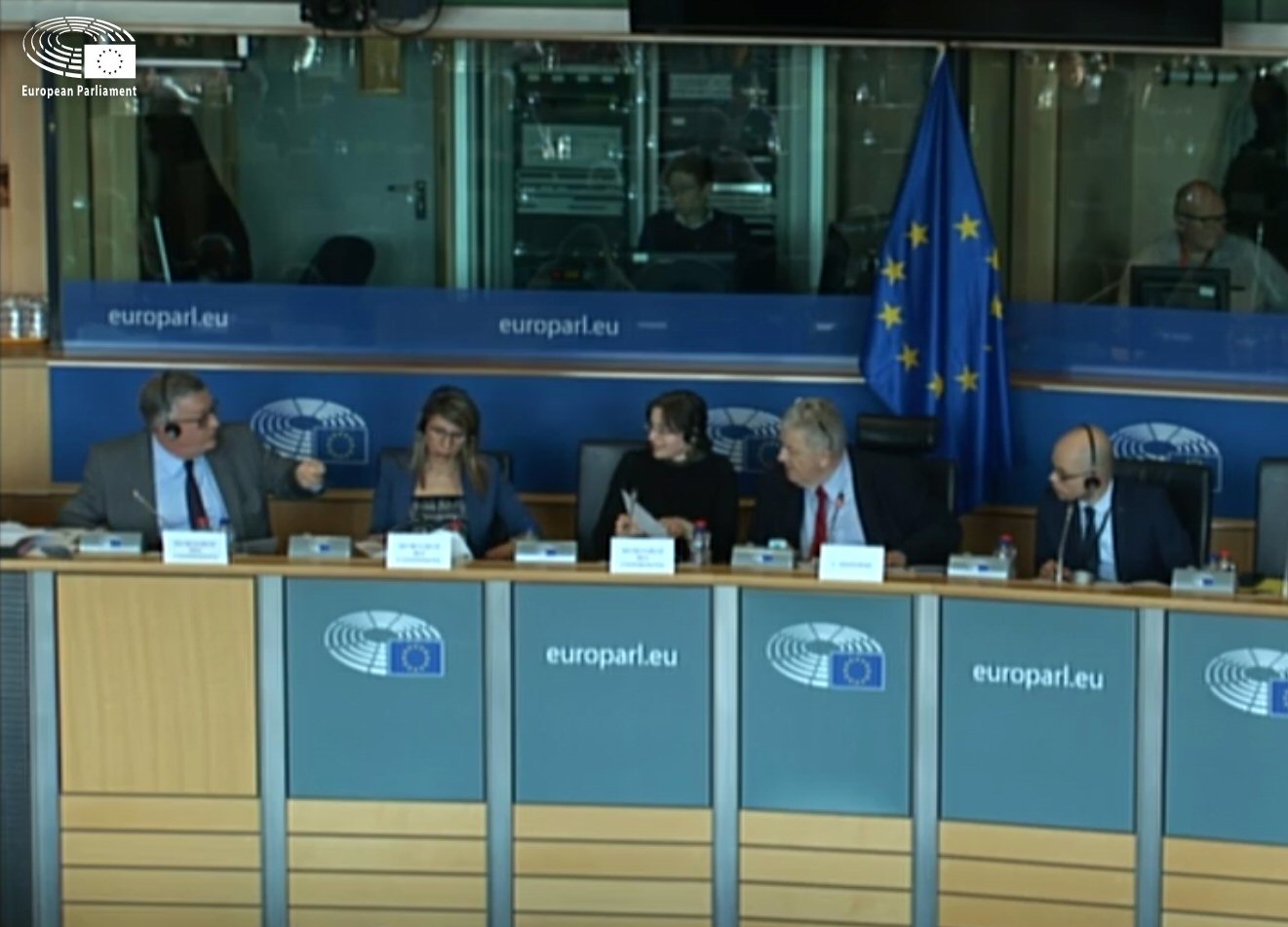
An agenda item on the AGRI Committee’s last meeting in this Parliamentary term yesterday dealt with a presentation by DG AGRI’s Director for International Affairs John Clarke on the agricultural component of ongoing trade negotiations and other relevant issues of trade policy (starts at 16:23 on the meeting video). Amid a chorus of complaints from AGRI MEPs about poultry imports from Ukraine, tomato imports from Morocco and potential Brazilian tariffs on EU exports of garlic, Mr Clarke gave a robust and trenchant defence of the Commission’s role in managing international agricultural trade relations.

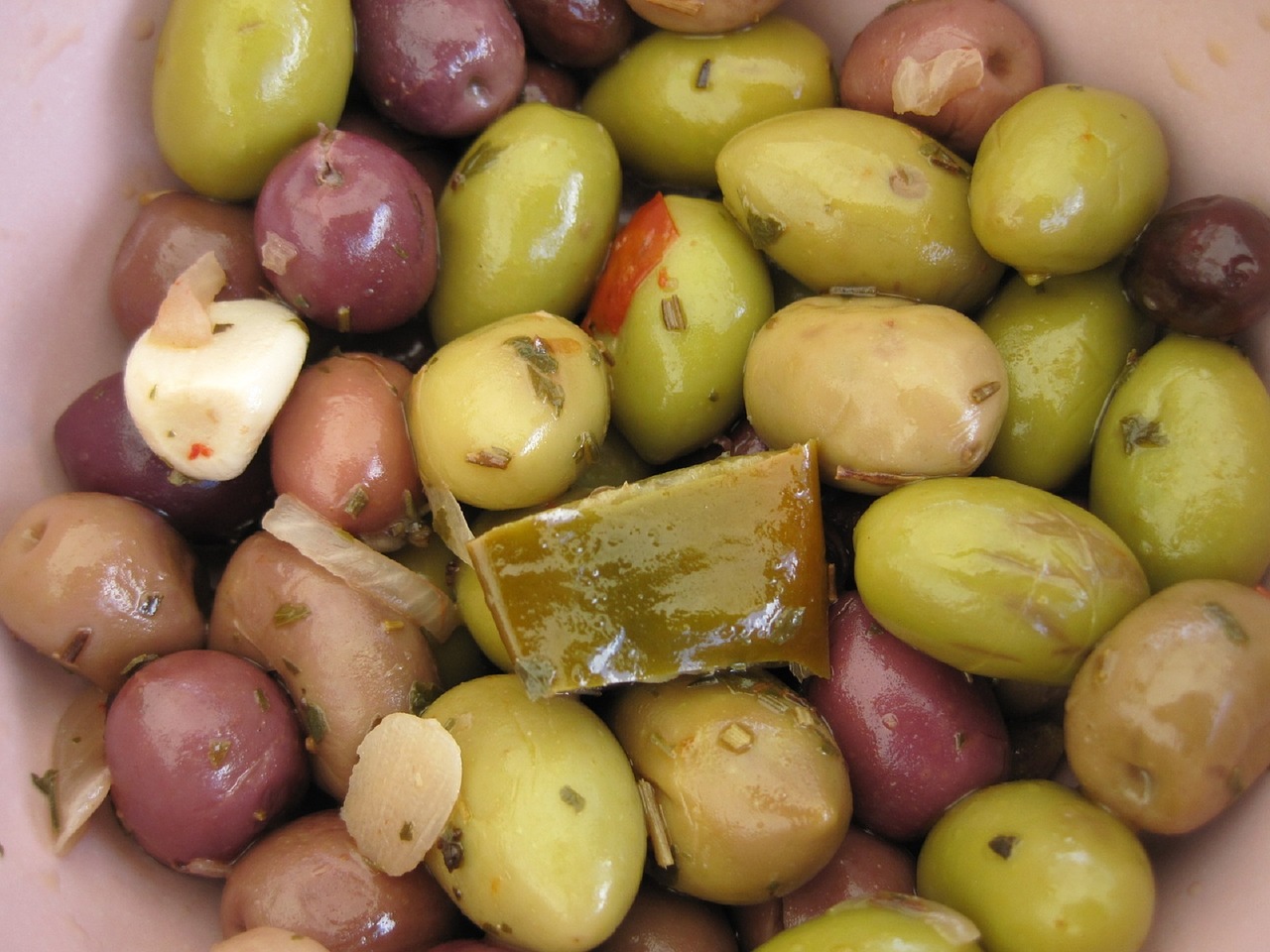
Among the items he covered was the EU response to the US imposition of countervailing and anti-dumping duties in 2018 on the import of Spanish ripe olives, confirming earlier preliminary determinations to impose provisional duties. The US action was in response to a complaint by domestic producers of ripe olives that Spanish ripe olives were unfairly subsidised because olive growers received CAP subsidies in the form of direct payments as well as through several other measures.… Read the rest

COMAGRI lacks full transparency in crucial votes

Th AGRI Committee voted its Opinion on amendments to the CMO Regulation on Monday 1 April, its Opinion on the Strategic Plan Regulation on 2 April and will vote its Opinion on the Horizontal Regulation on financing, management and monitoring of the CAP today 8 April. I plan to comment on the substantive outcome of these votes in the coming days. In this post I want to comment on a procedural aspect of these votes that I find does not live up to the norms of acceptable practice and which makes it impossible for anyone not in the inner circle to follow the voting on these Opinions. My complaint concerns the unavailability of the compromise amendments and the voting lists without which the public proceedings of the Committee on these days was incomprehensible.

The compromise amendments play a key role in shaping the Committee’s opinion. To see their importance, we can quote from the News Highlights on the Committee’s home page accessed on 7 April (this is a dynamic page so this link will not work after a week or two).… Read the rest

AGRIFISH Council on CAP reform negotiations in mid-March

The AGRIFISH Council and the AGRI Committee of the European Parliament both held meetings to discuss their respective positions on the Commission’s proposed CAP regulations for the period post 2020 on Monday March 18th last. These meetings provided an opportunity to assess the progress made in each body to agree their initial positions as well as giving some insights into the changes that might be proposed. The AGRIFISH Council meeting was more informative in this respect. The AGRI Committee debate lacked focus because no formal positions were presented at its meeting and we must wait until its April meetings to see the compromise amendments it will decide. This post gives an update on the discussions in the AGRIFISH Council focusing on proposed amendments to the Strategic Plans Regulation.

Positions in the AGRIFISH Council

The debate in the Council was based on a Romanian Presidency progress report which was accompanied by specific drafting amendments to the Commission’s three proposed regulations for the CAP post 2020.… Read the rest

Revamped website

Regular readers will have noticed a lull in activity on the capreform.eu website in the last couple of months. Just before Christmas 2018 the site was hacked and spam posts were mailed out to subscribers. I decided to take the opportunity to rebuild the site with greater security and in the meantime to cease activity. I did write a few posts on a temporary blog which I have now transferred to this site. Those who subscribe to the site and receive posts by mail will have noticed a resumption of activity in the past two days as older posts have been mailed out (sometimes in duplicate, for which I apologise). There may well be some teething problems but I hope the site is now up and running normally and that visitors can access and read all posts.

All of the content on the capreform.eu site has been retained and you are welcome to review the Archives which go back to 2006.… Read the rest

UK announces proposed applied tariff schedule in event of no deal Brexit

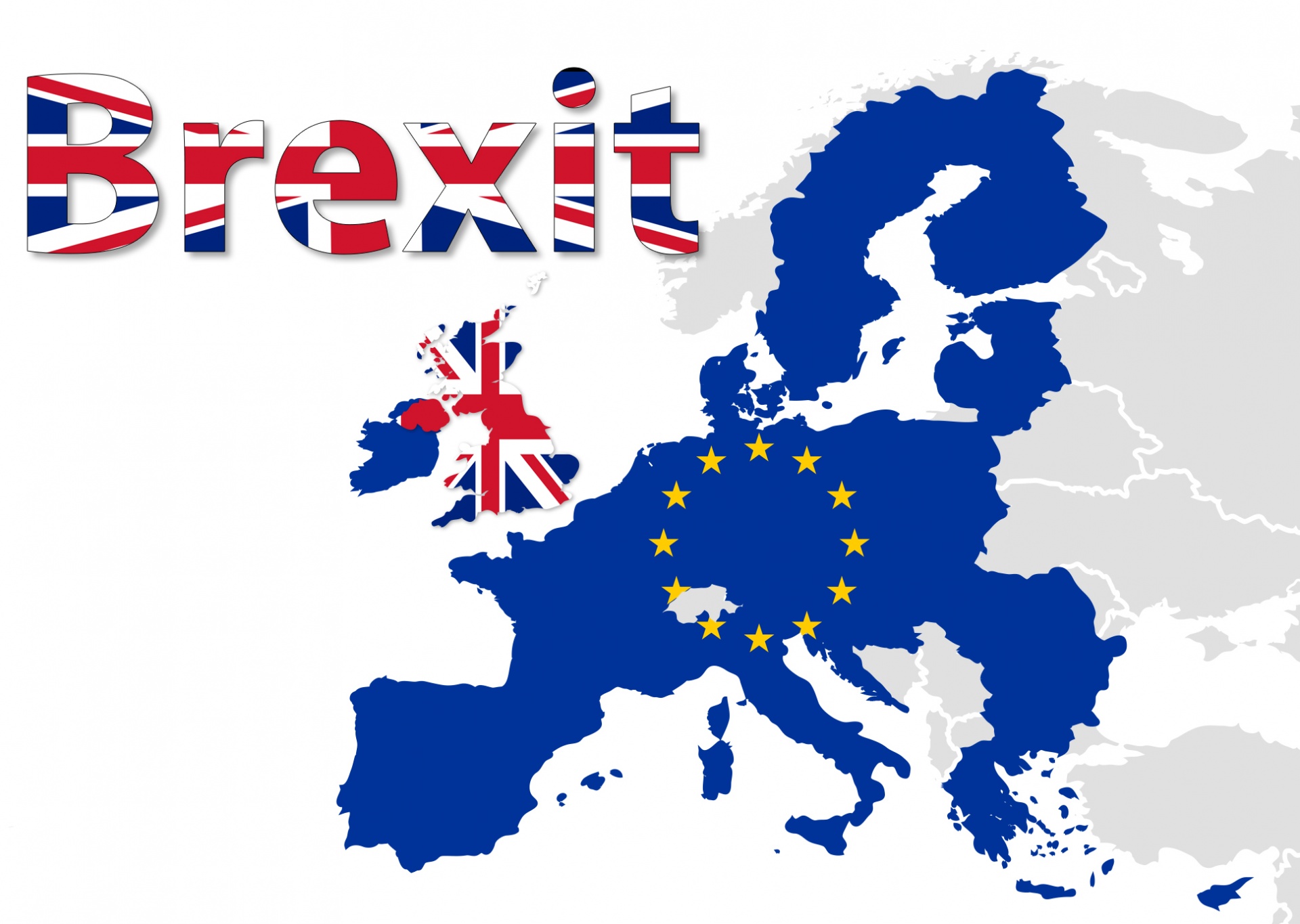
The UK today announced the tariff schedule it would intend to apply in the event of a no-deal Brexit after 29 March 2019. As far as agricultural tariffs are concerned, Gail Souter, the UK National Farmers’ Union Chief EU Exit and International Trade Advisor, described it in a tweet as “Quite possibly the greatest example of overnight trade liberalisation of an agricultural market ever”. There has been a lot of speculation in the press and social media about what the new arrangements might mean, and particularly the proposed temporary arrangements on the border between Ireland and Northern Ireland. This post sets out the key sources of information and guidance published by the UK government today. In a later post, I hope to explore the implications for agricultural tariffs and trade, and evaluate the implications of the proposed arrangements for the intra-island of Ireland border.

Sources of information

The relevant documents are mainly found on the UK Department of International Trade (DIT) website, with some additional information (press releases) on the GOV.UK… Read the rest

Hogan addresses COMAGRI on environmental ambition in CAP

Commissioner Phil Hogan gave a presentation last week (Jan 24th) on the proposed environmental and climate architecture in the Commission’s legal proposal for the CAP post 2020 to the AGRI Committee of the European Parliament (the video session can be reviewed here). Today Monday (Jan 28th) the Commissioner gives a similar presentation to the AGRIFISH Council.

There are of course technical issues to be clarified around the Commission’s proposals. How will the proposed eco-schemes in Pillar 1 relate to agri-environment-climate measures (AECMs) in Pillar 2? How will Member States’ level of environmental and climate ambition in their CAP Strategic Plans be evaluated, and how will the level of effort across Member States be compared by the Commission when it approves these Plans? How will double funding be avoided, and what measures will Member States be able to fund in their eco-schemes?

However, the Parliament rapporteurs and the Member State representatives on the Working Party on Horizontal Agricultural Questions (CAP reform) under the AGRIFISH Council have ample opportunity to raise these technical issues with the Commission.… Read the rest

Measuring farmers’ dependence on public payments

There is considerable interest in the amount of support that farmers in the EU receive through public payments. The Commission in its MFF proposal in May 2018 proposed a reduction in the CAP budget (partially offset by increased co-financing contributions from Member States). Member States in the AGRIFISH Council and farm unions as well as the European Parliament have pushed back against this reduction.

A French Memorandum presented to the June 2018 meeting of the AGRIFISH Council asserts that “this decrease on both pillars would undoubtedly threaten the viability of European farms, the income of farmers and their ability to meet the citizen requirements for a healthy, sustainable, affordable and quality food as well as protection of environment and adaptation to climate change”.

To assess whether this is likely to be the case or not, we need factual information on the current importance of CAP payments in farm incomes.… Read the rest