

Improving governance of the future CAP

The proposed CAP legislation launched in 2018 made two important innovations in the governance of the CAP. First, it gave much greater flexibility to Member States in the way CAP interventions and CAP rules could be defined in individual countries. Second, it proposed to change the monitoring of Member State actions and the use made of the EU CAP budget from detailed compliance with very specific rules set out in legislation to a more performance-based approach.

The Commission’s motivation was clear. It expected that giving greater flexibility to Member States to design their own CAP interventions and rules would ensure better value for money because the interventions would be more effective. As former Commissioner Hogan noted when launching the policy proposal, the ‘one size fits all’ approach is no longer appropriate in a Union with very diverse agricultural structures and challenges. He also defended this approach on the grounds that it would lead to greater simplification of the policy for national administrations and farmers, though we can agree that this was never really going to convince anyone.… Read the rest

Farm and non-farm income comparisons

One of the objectives for EU agricultural  policy set out in the Treaty of Rome (now the Lisbon Treaty) is to ensure a fair standard of living for the agricultural community, in particular by increasing the individual earnings of persons engaged in agriculture.  In its Communication The Future of Food and Farming in November 2017 that launched the public consultation phase of the current CAP reform, the Commission included a graph comparing average farmer income with average gross wages and salaries in the total economy to make the point that farmers’ income is still lagging behind salaries in the whole economy. Thus it concluded that “direct payments [that partially fill the gap between agricultural income and income in other economic sectors] remain an essential part of the CAP in line with its EU Treaty obligations”.

The Commission continues to use this comparison in support of its argument that direct payments are necessary to close this perceived income gap between farm and  non-farm incomes.… Read the rest

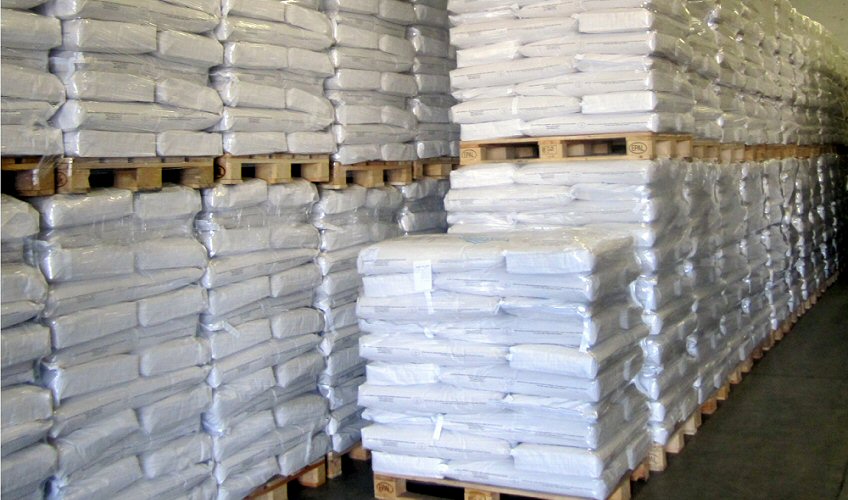
Issues at stake in the trilogues: II Public intervention

This is a second, long-delayed, post on the issues at stake in the trilogue negotiations between the Council, Parliament and Commission on the CAP reform dossier. The first was on relevant definitions, this time on the rules for public intervention.

I have previously discussed the history and described the rules for public intervention in the run-up to the 2013 CAP reform in this post. Anyone who wants a quick refresher might find it useful to re-read that post. The Commission also has a website explaining the market management measures under the current CAP.

The issues at stake in the current trilogues are like the debates in 2013. The Parliament’s desire to maintain and strengthen public intervention (which in this post I will take to also include private storage aids (PSA)), given the likelihood of greater future market volatility, is reflected in its amendments to the Commission proposal, while the Council reiterates its concern to avoid tampering with the market orientation of the CAP.… Read the rest