European Parliament polling reaches tipping point for right-of-centre majority

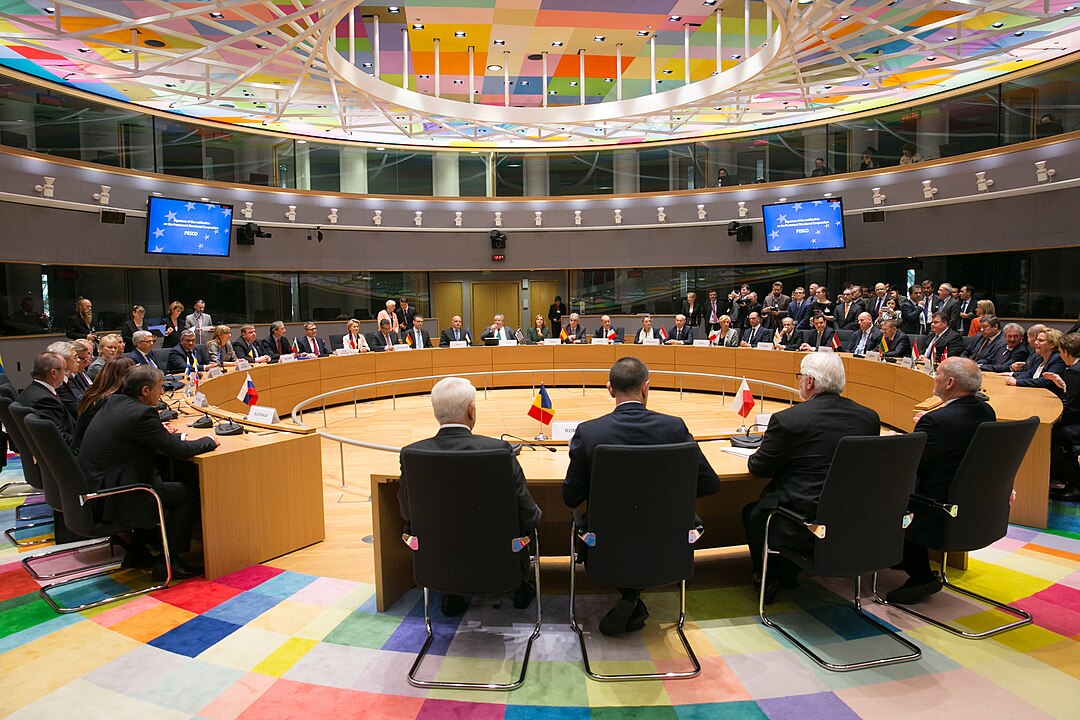
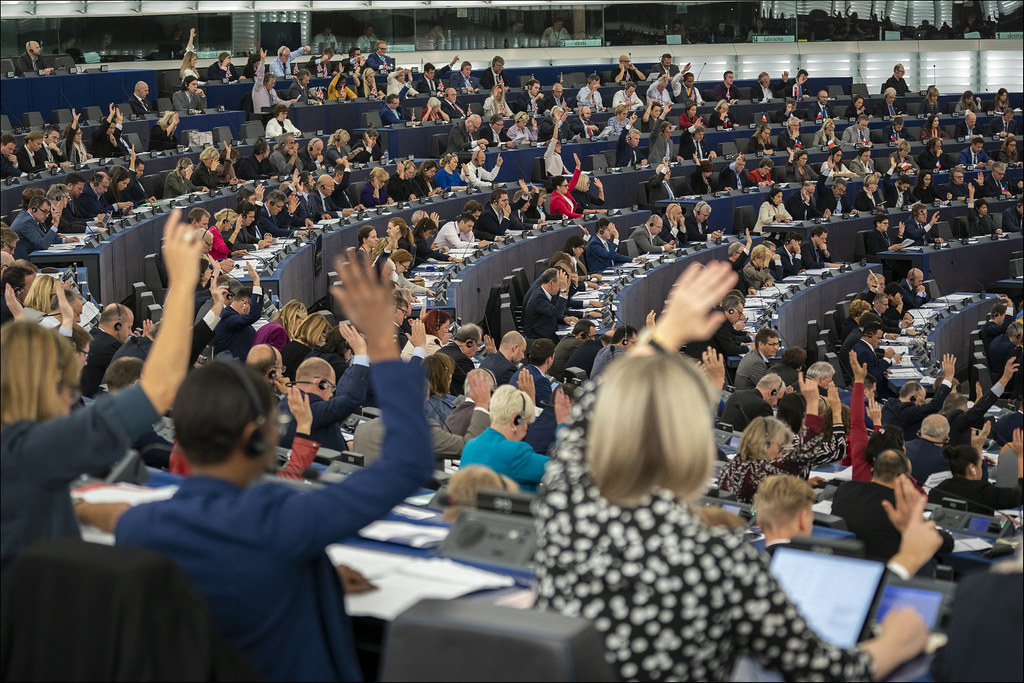
Latest polling results from the three institutions that provide regular updates on seat projections for the European Parliament elections in June 2024 now point for the first time to the possibility that the three right-of-centre political groups – the EPP, ID and ECR – may have a majority of seats on their own in the next Parliament.

My previous synthesis of the seat projections in May 2023 (see my blog post here) showed that the left-of-centre groups – S&D, Greens and the Left – together with Renew were still slightly ahead of the right-of-centre groups though they would have required support from the independent MEPs – the so-called Non-Inscrits – to create an overall majority. This is no longer the case.

In the following table, I present the seat projections by the three institutions – Europe Elects, Politico Poll of Polls, and Der (europäische) Föderalist – as a percentage of the overall number of seats (note, this is not a projection of the share of total votes received by the national political parties affiliated with these political groups).… Read the rest

Contrasting recent decisions on pesticides

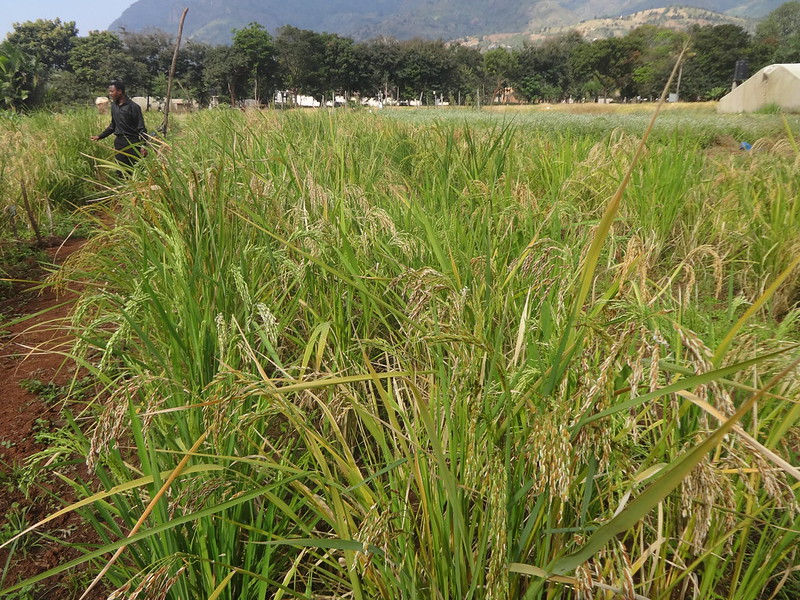
During the past week, I was intrigued by a post on the social media platform X from Pascal Canfin, Chair of the Committee on Environment, Public Health and Food Safety in the European Parliament which in translation read: “We have just rejected in Parliament a proposal from the Commission which would have allowed the importation of foodstuffs produced with a pesticide banned in Europe, tricyclazole. This would have been unfair competition that was unacceptable for our farmers. I welcome it.

What intrigued me about this post was the implication that, because the Parliament had rejected the Commission proposal, the imports of foodstuffs (specifically, rice) produced with tricyclazole into the EU would no longer be possible.… Read the rest

Trilogues begin on the Certification Framework for Carbon Removals Regulation

The Commission put forward its legislative proposal for a Certification Framework for Carbon Removals (CFCR) in November 2022. The Regulation has the two broad objectives to define quality criteria for carbon removal activities to ensure only high-quality removals are certified, and to define rules for the verification and certification of carbon removals, including rules for the functioning and recognition by the Commission of certification schemes. The main innovation in the Regulation is that it defines Certified Removal Units (CRUs) that can be used in national or corporate GHG inventories or exchanged through voluntary carbon markets.

In a previous post last September, I discussed the amendments to the Commission’s proposal being discussed by the Council and European Parliament at that time. Last month, both institutions finalized their mandate for negotiations (the Council) and first reading position (the Parliament). I summarise in this post the main changes proposed by the two institutions to the Commission’s proposal, using the framework developed in the previous post.… Read the rest

Europe’s future of food – articulating food security, sovereignty and sustainability

I was pleased to be invited to give a talk at the EIT Food conference on the future of food last Thursday where the organisers had given me the very ambitious title at the head of this post. I reproduce below the talk as I presented it, with one small modification. The great advantage of attending a conference of this kind is that one is alerted to new perspectives and new angles and, in the light of listening to some of the other excellent contributions to the conference, I slightly nuanced one of my conclusions below (I note the specific change at the end of this post).

My key message is that there are inevitable trade-offs in the transition to a sustainable food system, but that the discourse around a threat to food security is not helpful or correct and masks other trade-offs which policymakers should address more directly. I have included the slides in this blog post, but the presentation can also be downloaded directly if anyone is interested.… Read the rest

How to advance the green transition in the next CAP post 2027

Even though the latest changes in the CAP regulations only came into force on 1 January this year, attention is already beginning to focus on potential further changes to the CAP after the end of the current programming period 2023-2027. The Commissioner for Agriculture Janusz Wojciechowski started the ball rolling back in June. In his contribution to the European Parliament debate on the Mortler Report on ensuring food security and long-term resilience of EU agriculture which, inter alia, called on the Commission to present a holistic plan to ensure food security for the EU, he commented:

I am in full agreement with this. We need a plan presented by the Commission to ensure food security in the European Union, a plan that also takes into account the role of the European Union in global food security. This will also be a plan for elements of the Common Agricultural Policy after 2027, and I intend to prepare and present such a plan in the coming months, certainly still in 2023.… Read the rest

Carbon removal certification and carbon farming

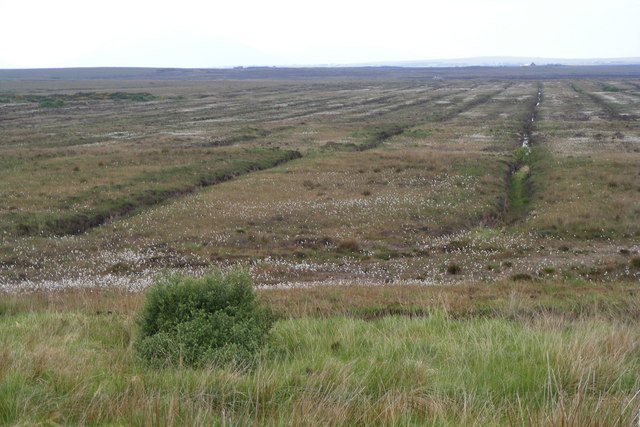
The concept of ‘net zero’ greenhouse gas emissions enshrined as the EU target in the European Climate Law implies that there will continue to be ‘unavoidable’ emissions in 2050 which will need to be offset by carbon removals from the atmosphere. For example, it is not possible for primary agriculture to reduce its gross emissions to zero and in a net zero world these will have to be offset by carbon removals. Furthermore, the Law sets the aim of negative emissions after 2050. While the IPCC recognises that carbon removals will be necessary to meet the Paris Agreement targets, there is still debate around how to define ‘unavoidable’ emissions and how large carbon removals will need to be by mid-century. The Commission has estimated that carbon removal levels between 300 and 500 MtCO2 will be needed by 2050 depending on the emission reduction pathway to net zero.

Sustainable carbon cycles

The Commission in its Communication on Sustainable Carbon Cycles in December 2021 recognised the need to significantly scale up carbon removal solutions in the coming decade.… Read the rest

Food prices stabilising but yet to fall

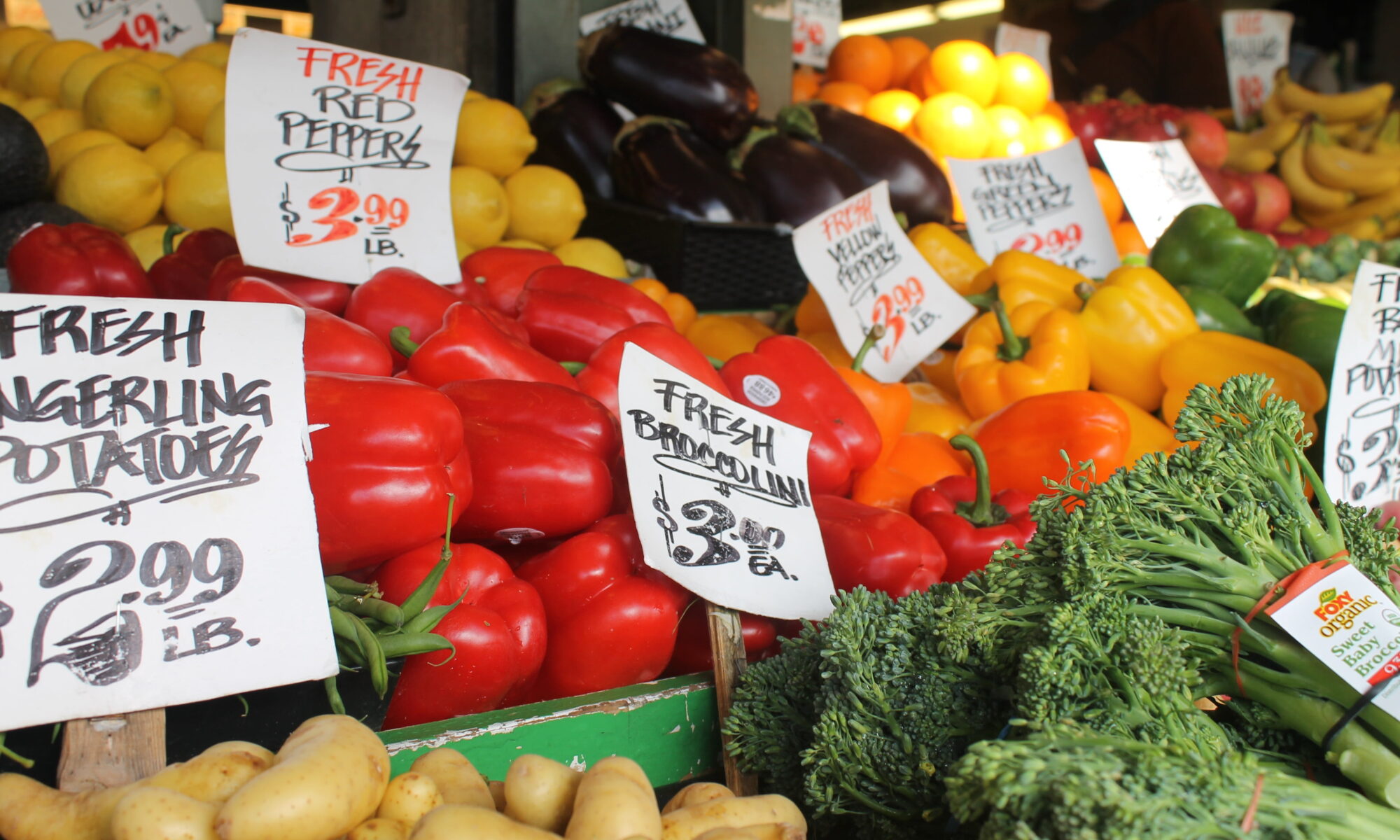
I wrote a blog post in March this year “Food price inflation gathers pace” which used inflation data up to February. I concluded that post by noting that “the explanation for the continuing rise in food price inflation is mostly likely down to the lags in transmitting price changes through the food price chain. Food price increases in the past year, though very high, have not fully reflected the increases in prices at primary producer level. As food manufacturers and retailers continue to adjust their prices to these higher input costs, food price inflation is likely to continue at a high level”.

In this post, I bring the story up to date using information up to June 2023. My prediction in March 2023 seems borne out by the data. Food price inflation remains very high but there is evidence that food prices at EU level have stabilised and that we can expect some modest decrease in the coming months.… Read the rest

What can we learn from New Zealand’s experience in introducing a scheme to price agricultural emissions?

The European Union is pondering the possible introduction of a pricing scheme for agricultural emissions as a way to accelerate the reduction in agricultural emissions on the way to net zero emissions by 2050. In the wake of criticism from the European Court of Auditors in its 2021 report on the climate performance of the CAP, and in light of the Court’s recommendation that the Commission should “assess the potential to apply the polluter-pays principle to emissions from agricultural activities, and reward farmers for long-term carbon removals”, the Commission has commissioned an exploratory study on pricing agricultural emissions and rewarding climate action in the land sector. A public consultation on several options designed by the consultancy team has just concluded, and the final report should be published before the end of this year.

Furthermore, the European Climate Law requires the Commission to propose a 2040 climate target in 2024. A first public consultation to gather views on what this target should be ended in June 2023.… Read the rest

How might the political composition of the European Parliament change in the 2024 elections?

This post first appeared on LinkedIn on June 11, 2023 and is reproduced here without amendment. Since that date there have been national parliamentary elections in Greece and Spain which in many respects confirm the analysis presented here. Furthermore, it is now agreed to increase the number of seats in the European Parliament by 15, with additional seats going to France, Spain and the Netherlands (2 each) and 1 additional seat to Austria, Belgium, Poland, Slovenia, Slovakia, Finland, Latvia, Ireland and Denmark.

A couple of weeks ago the Council of the EU confirmed that the next elections to the European Parliament (EP) will take place from 6 to 9 June 2024. So in exactly one year’s time we will know the outcome of the election and the political composition of the next Parliament.

It seems as if political change is on the way. Right-wing parties have kept power or made gains in recent elections in Greece, Finland, the Netherlands, Hungary, Sweden, and Italy.… Read the rest

The development of Environmental Land Management in England: still a work in progress

We are pleased to publish this discussion of recent developments in UK (England’s) post-Brexit agricultural policy by Professor Ian Hodge of the Department of Land Economy, University of Cambridge, UK. The comments here represent solely the views of the author and not of any UK government department.

Following Brexit, the UK has been developing its own approach to agricultural policy.  Agriculture is a devolved matter and so the individual nations are introducing separate policies.  In England, under the 2020 Agriculture Act, direct payments are being phased out over a seven year transition period and replaced by Environmental Land Management Schemes (ELMs) under the slogan of ‘public money for public goods’.  The policy includes three schemes as indicated in Box 1: Sustainable Farming Incentive (SFI), Countryside Stewardship (CS) and Landscape Recovery (LR).

Box 1
Three Environmental Land Management schemes

Sustainable Farming Incentive (SFI) will pay farmers to adopt and maintain sustainable farming practices that can protect and enhance the natural environment alongside food production, and also support farm productivity (including by improving animal health and welfare, optimising the use of inputs and making better use of natural resources).… Read the rest