
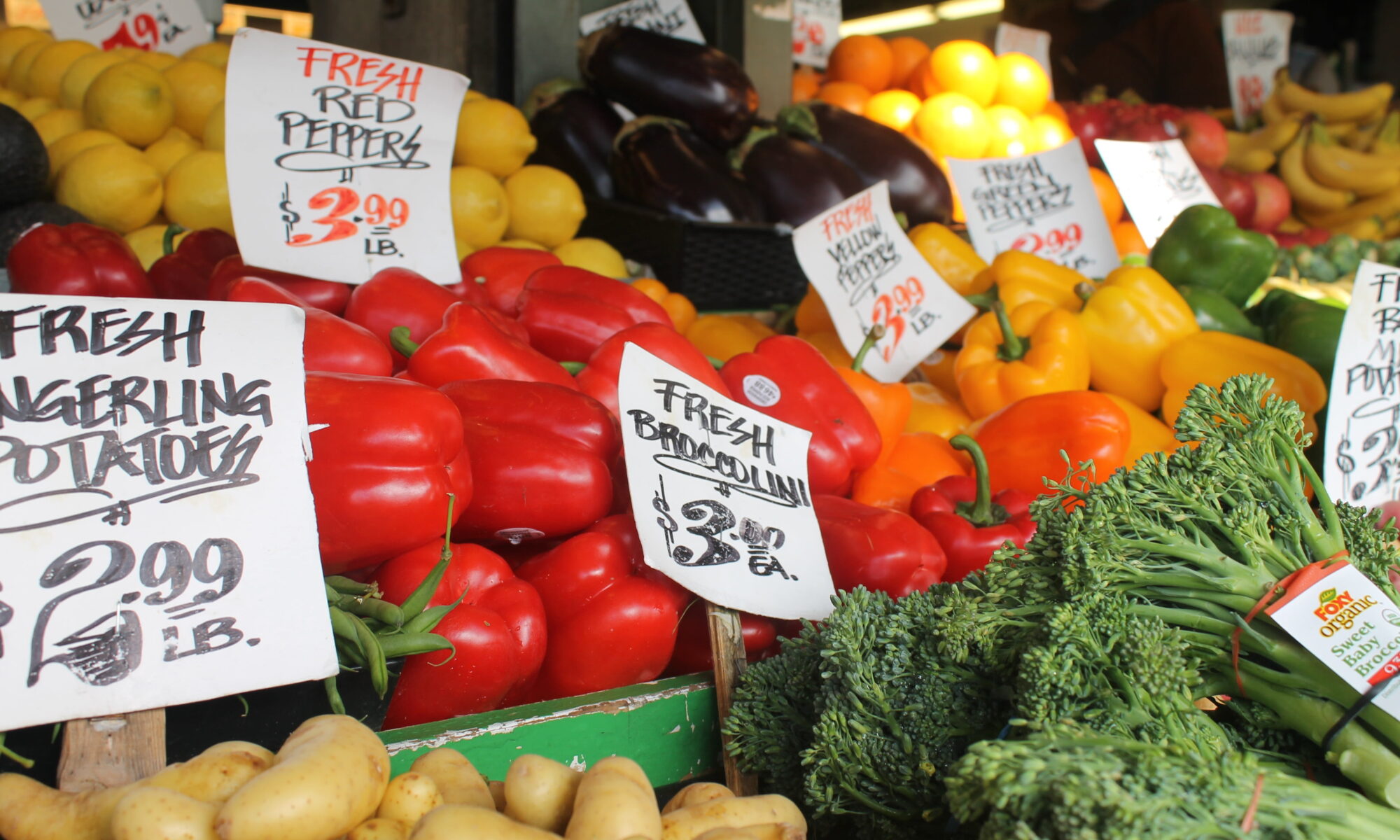
Food prices stabilising but yet to fall

I wrote a blog post in March this year “Food price inflation gathers pace” which used inflation data up to February. I concluded that post by noting that “the explanation for the continuing rise in food price inflation is mostly likely down to the lags in transmitting price changes through the food price chain. Food price increases in the past year, though very high, have not fully reflected the increases in prices at primary producer level. As food manufacturers and retailers continue to adjust their prices to these higher input costs, food price inflation is likely to continue at a high level”.

In this post, I bring the story up to date using information up to June 2023. My prediction in March 2023 seems borne out by the data. Food price inflation remains very high but there is evidence that food prices at EU level have stabilised and that we can expect some modest decrease in the coming months.… Read the rest
What can we learn from New Zealand’s experience in introducing a scheme to price agricultural emissions?

The European Union is pondering the possible introduction of a pricing scheme for agricultural emissions as a way to accelerate the reduction in agricultural emissions on the way to net zero emissions by 2050. In the wake of criticism from the European Court of Auditors in its 2021 report on the climate performance of the CAP, and in light of the Court’s recommendation that the Commission should “assess the potential to apply the polluter-pays principle to emissions from agricultural activities, and reward farmers for long-term carbon removals”, the Commission has commissioned an exploratory study on pricing agricultural emissions and rewarding climate action in the land sector. A public consultation on several options designed by the consultancy team has just concluded, and the final report should be published before the end of this year.

Furthermore, the European Climate Law requires the Commission to propose a 2040 climate target in 2024. A first public consultation to gather views on what this target should be ended in June 2023.… Read the rest

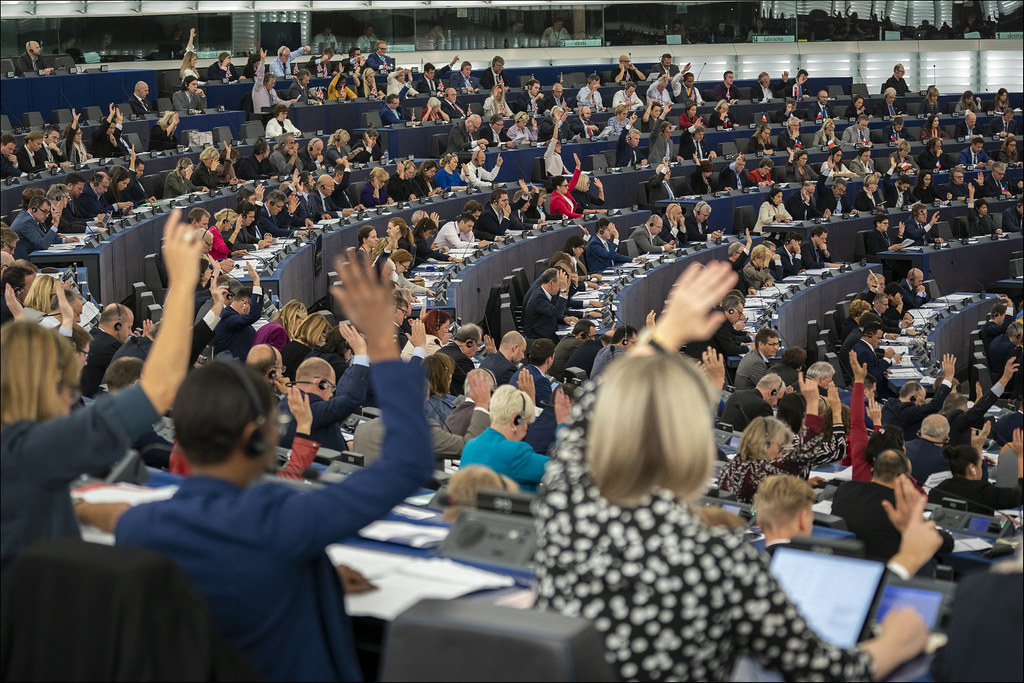
How might the political composition of the European Parliament change in the 2024 elections?

This post first appeared on LinkedIn on June 11, 2023 and is reproduced here without amendment. Since that date there have been national parliamentary elections in Greece and Spain which in many respects confirm the analysis presented here. Furthermore, it is now agreed to increase the number of seats in the European Parliament by 15, with additional seats going to France, Spain and the Netherlands (2 each) and 1 additional seat to Austria, Belgium, Poland, Slovenia, Slovakia, Finland, Latvia, Ireland and Denmark.

A couple of weeks ago the Council of the EU confirmed that the next elections to the European Parliament (EP) will take place from 6 to 9 June 2024. So in exactly one year’s time we will know the outcome of the election and the political composition of the next Parliament.

It seems as if political change is on the way. Right-wing parties have kept power or made gains in recent elections in Greece, Finland, the Netherlands, Hungary, Sweden, and Italy.… Read the rest