

The three regulatory fixes that could turn Europe’s food labels into a One Health instrument

This post is contributed by Pablo Palencia Garrido-Lestache who is a veterinarian and consultant with over 25 years of experience in One Health and agrifood strategy. He served as the Regional Minister for Rural Development, Livestock, Fisheries, and Food in Cantabria, Spain. Throughout his career, he has led the development of strategic projects for cooperatives and the establishment of PGI (Protected Geographical Indication) frameworks, focusing on integrating living heritage and ecosystem services into legal structures to ensure the resilience of livestock production systems. info@iberap.com

Three targeted regulatory reforms could turn Europe’s system of protected food names into the most powerful instrument for public health, economic sustainability and commercial differentiation currently on the table. The cost of inaction is incomparably greater than the cost of acting.

Europe holds the world’s most powerful agri-food instrument and does not know it. Its three thousand Protected Geographical Indications (PGIs) and Protected Designations of Origin (PDOs) are recognised in trade agreements with Mercosur, India and dozens of international partners.… Read the rest
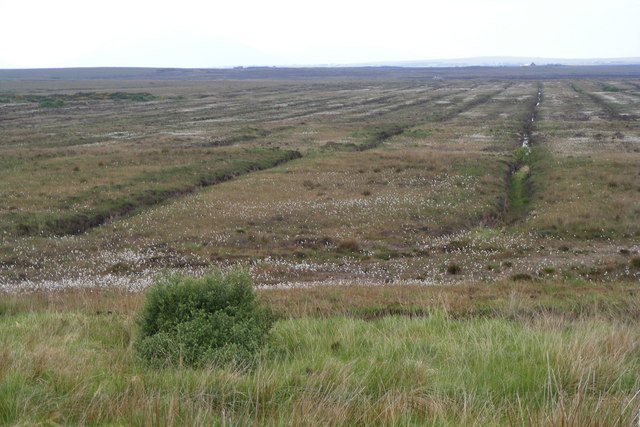
Carbon removal certification and carbon farming

The concept of ‘net zero’ greenhouse gas emissions enshrined as the EU target in the European Climate Law implies that there will continue to be ‘unavoidable’ emissions in 2050 which will need to be offset by carbon removals from the atmosphere. For example, it is not possible for primary agriculture to reduce its gross emissions to zero and in a net zero world these will have to be offset by carbon removals. Furthermore, the Law sets the aim of negative emissions after 2050. While the IPCC recognises that carbon removals will be necessary to meet the Paris Agreement targets, there is still debate around how to define ‘unavoidable’ emissions and how large carbon removals will need to be by mid-century. The Commission has estimated that carbon removal levels between 300 and 500 MtCO2 will be needed by 2050 depending on the emission reduction pathway to net zero.

Sustainable carbon cycles

The Commission in its Communication on Sustainable Carbon Cycles in December 2021 recognised the need to significantly scale up carbon removal solutions in the coming decade.… Read the rest