
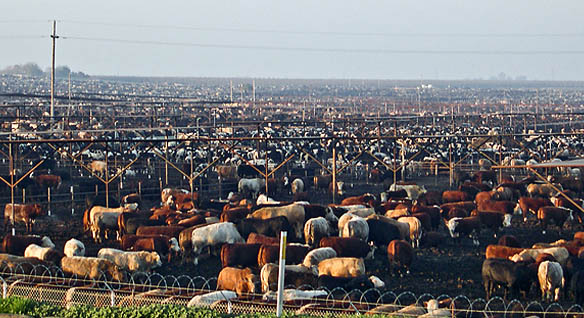
Beef is generally considered to be a sensitive sector in the EU-US negotiations on a possible Transatlantic Trade and Investment Partnership (TTIP) agreement. Currently, imports of beef from the US are limited by high tariffs and by the refusal of the EU to allow the import of beef produced with the aid of pharmaceutical technologies such as hormones and beta-agonists (a class of non-hormonal compounds that act to increase feed efficiency).
Nonetheless, EU imports of non-hormone-treated beef from the US have been increasing in recent years. Different views have been expressed about the likely consequences for the EU beef market if market access were further liberalised under a TTIP agreement. I examine the background to this issue in this post.
The WTO beef hormones dispute
Negotiations to increase US access to the EU market for beef as part of a TTIP agreement take place against the background of special trade concessions agreed following a complex series of disputes taken originally under the GATT and, subsequently, under the WTO’s dispute settlement process.… Read the rest