The voluntary milk supply reduction measure in the July 2016 farm aid package

Last week the Commission proposed at the July AGRIFISH Council meeting a further aid package for farmers worth €500 million of EU money (and up to €850 million if Member States take up the opportunity to add national financing). This brings the total additional EU financing to support farmers since 2014 to €1.5 billion. The money for the latest package comes from unspent funds in the CAP budget and does not involve making use of the crisis reserve. In his address to COMAGRI outlining the package the following day Commissioner Hogan thanked President Juncker and the budget Commissioner Vice-President Georgieva for their support in making the package possible.

The July 2016 support package

The package contains three main elements:

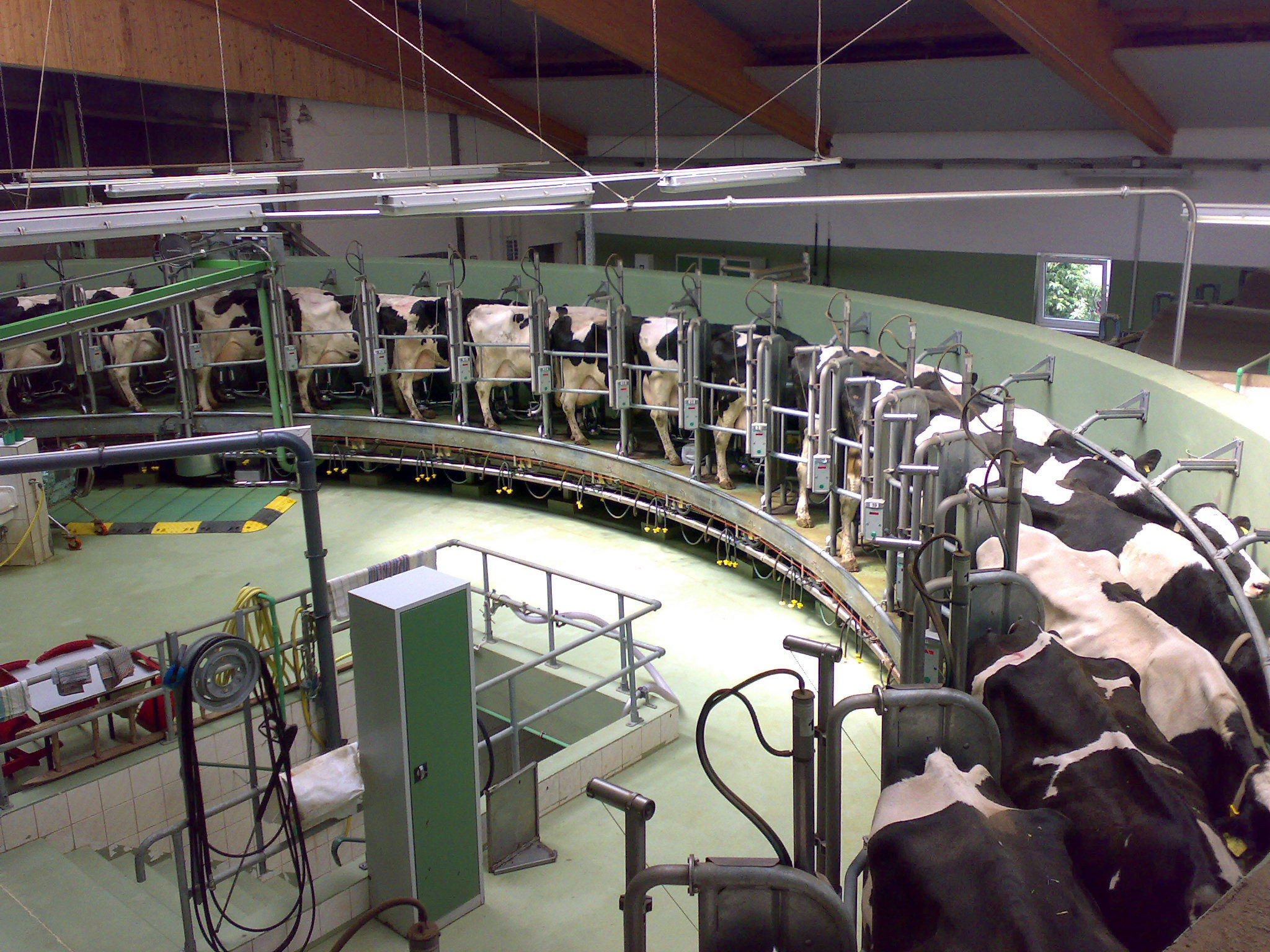
  • A EU-wide scheme to incentivise a reduction in milk production (€150 million)
  • Conditional adjustment aid to be defined and implemented at Member State level out of a menu proposed by the Commission (€350 million that Member States will be allowed to match with national funds, thus potentially doubling the level of support being provided to farmers)
  • A range of technical measures to provide flexibility (e.g.
Read the rest

UK Brexit and WTO farm support limits

Today, we are pleased to present a guest post by Lars Brink who is affiliated with the Global Issues Initiative at Virginia Tech University and a leading expert on domestic support issues in the WTO Agreement on Agriculture.

Background

Domestic support and Bound Total AMS (Aggregate Measurement of Support) may not be high priority items, compared to market access, in terms of analysing trade distortions. Still, anything that touches on farm support and limits on such support attracts attention. This may apply also in a case of Brexit negotiations. This note is about the WTO domestic support commitment of the United Kingdom in case of a Brexit. It thus concerns the Bound Total AMS of the UK and that of the remaining EU27. The EU refers to the European Communities and the European Union, and EUR refers to European Currency Units (ECU) and euros.

In his immensely insightful post on 5 January 2016 entitled WTO dimensions of a UK ‘Brexit’ and agricultural trade, Alan Matthews raised the possible need to share out the EU commitment between the UK and the remaining EU27 (no, Alan did not make me say this as his price for accepting this post).… Read the rest

Waking up to Brexit – two weeks on

In Charles Dickens’ Oliver Twist, nine-year old Oliver, fed up with the miserable gruel he and the other boys in the parish workhouse were given, walks up to the master and asks for more. The next day, there was an announcement on the workhouse gate offering five pounds to anyone willing to take Oliver off the hands of the parish.

The UK, it seems, also wants more from the European Union, not only access to the single market but also exemption from the free movement of labour. It has put not one, but two Olivers, to work on this request. Oliver Letwin is the government minister (yet another old Etonian at the top of the Conservative Party) who is responsible for a new unit (the ‘Brexit unit’) within the Cabinet Office. This unit will lead the civil service work for the Brexit negotiations and prepare options and advice for the new prime minister.… Read the rest

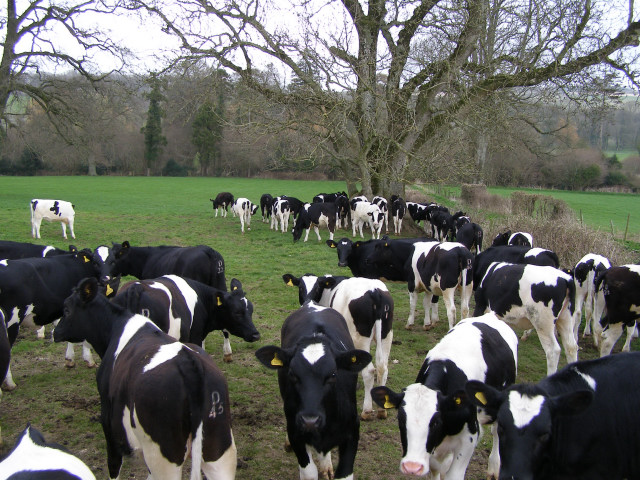
Supply management in milk policy

Over on the ARC2020 website, they are having a debate on the #MilkCrisis to which I was asked to contribute. Below is my contribution to that debate.

“The weighted average milk price for the EU-28 in May was 26.6 c/litre, a price last seen during the last trough in the price cycle in 2009 when the milk price bottomed out at 24.39 c/litre. The reasons for the current downturn are well known.

Global dairy product prices reached record levels in 2014. EU milk prices reached a record high of 40.2 c/litre in the winter of 2013/2014, averaging 37.3 c/litre over the 12 months in 2014. Milk supplies around the world responded to these high prices in the expectation of an inexhaustible demand for dairy products from China.

Increased supplies were facilitated in the EU by the removal of quotas in April 2015 although expansion had begun long before. EU production increased by more between the years ending April 2014/2015 when quotas were in place than it has done between the years ending April 2015/2016 after quotas were removed.… Read the rest