
What explains the differential cuts in CAP P1 and P2 spending in the Commission’s MFF proposal?

As I discussed in this post, the Finnish Presidency has been tasked with presenting a first draft of the MFF ‘negotiating box’ with numbers prior to the next European Council meeting 12-13 December 2019. This will be no mean feat given the wide differences of opinion between the ‘frugal five’ Member States – Austria, Denmark, Germany, the Netherlands and Sweden – that want overall a smaller budget than what the Commission has proposed, and other Member States that want to reverse some of the Commission’s cuts in cohesion and agricultural spending (Politico’s Lily Bayer goes through the different alliances in this article published today).

The agricultural Ministers of seventeen Member States circulated a statement at the last AGRIFISH Council in October 2019 calling for the CAP budget to be maintained at its current level in nominal terms.  Austria manages to be both a member of the ‘frugal five’ in the General Council while at the same time calling for increased CAP spending in the AGRIFISH Council, which suggests statements of agriculture ministers may be meant more for domestic consumption rather than reflecting the views of their governments.… Read the rest
Commission publishes CAP transition regulations recognising implementation of new CAP will be delayed

DG AGRI and the Commission have now officially recognised that, in view of the present state of play in both the Parliament and the Council, the basic acts governing the CAP post 2020 and the ensuing delegated and implementing acts will not be formally adopted by January 2020 and that, therefore, it will be necessary to plan for a transitional period. The new legal framework will now begin from 1 January 2022.

Although the current CAP Regulations continue in force until they are repealed, they need amendment to ensure that there is a legal basis for making payments to farmers in 2021. This is the purpose of the two draft Regulations published yesterday, one laying down transitional provisions in 2021 (including annexes) and the other extending the financial discipline provisions as well as the possibility to shift funds between the two Pillars of the CAP (including annexes).

This post examines the implications of the Commission’s proposals for Member States and farmers.… Read the rest

MFF discussions pushing small increase in CAP budget compared to Commission proposal

The European Council leaders at their meeting on 17-18 October 2019 failed to make progress in advancing discussions on the next Multi-annual Financial Framework (MFF) due to start on 1 January 2021. The Council’s conclusions noted that: “Further to a presentation by the Presidency, the European Council exchanged views on key issues of the next Multiannual Financial Framework such as the overall level, the volumes of the main policy areas, the financing, including revenues and corrections, as well as the conditionalities and incentives. In the light of this discussion, it calls on the Presidency to submit a Negotiating Box with figures ahead of the European Council in December 2019”.

The European Council’s conclusions in June 2019 had anticipated a more ambitious timetable. At that meeting, it called on Finland’s Presidency “to pursue the work [done under the Romanian Presidency] and to develop the Negotiating Box. On that basis the European Council will hold an exchange of views in October 2019, aiming for an agreement before the end of the year.Read the rest

Why farm numbers must continue to fall

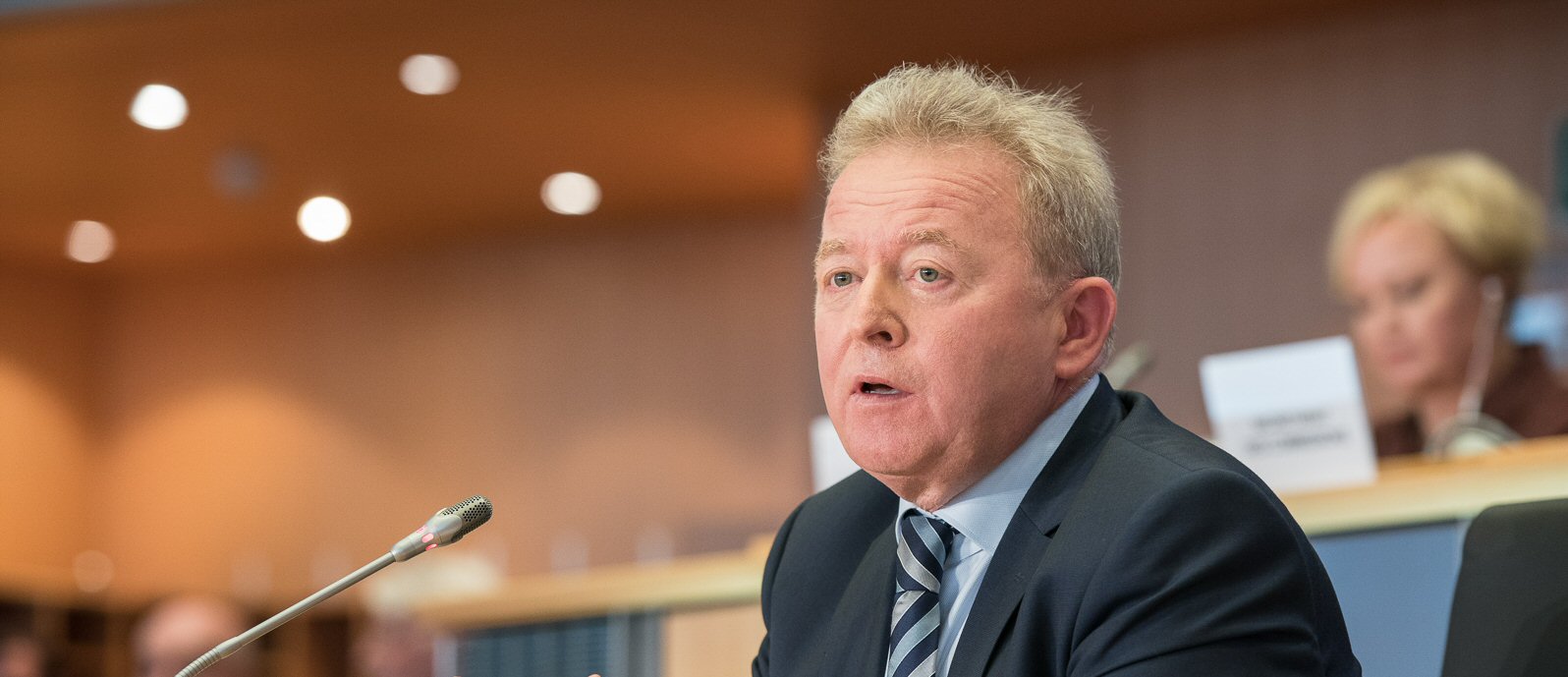
Commissioner-designate Wojciechowski highlighted what he called the “shocking information” on the decline in the number of European farms in his opening statement during his hearing in front of the AGRI Committee in the European Parliament earlier this week.

I presented the shocking information – shocking at least for some audiences – that during one decade, from 2005 to 2015, we lost four million farms in the European Union. The number of farms was almost 15 million, and after a decade there were fewer than 11 million farms. If we lose four million per decade, it is 400 000 per year. More than 30 000 per month. More than 1 000 per day. Our debate is scheduled to last three hours, which means that during this debate more than 100 European farmers will probably lose their farm and their job. For many of them it will be a tragic, shocking situation because it is not so easy to be a farmer today and then tomorrow to do something different – to be a taxi driver, for example.

Read the rest

Agriculture Commissioner-designate Wojciechowski stumbles at hearing

One piece of advice given to everyone who goes for a job interview is that you need to prepare. Commissioner-designate for Agriculture Janusz Wojciechowski seemed to have done limited preparation for his hearing in front of COMAGRI (with COMENVI as an associated committee) in the European Parliament earlier this week and failed to impress. As a result, he has been asked to respond to a fresh set of questions submitted by the Committee before it decides if it is willing to support his candidacy.

Wojciechowski has a legal background and rose to become a senior judge in Poland.… Read the rest

Impact of the CAP on developing countries

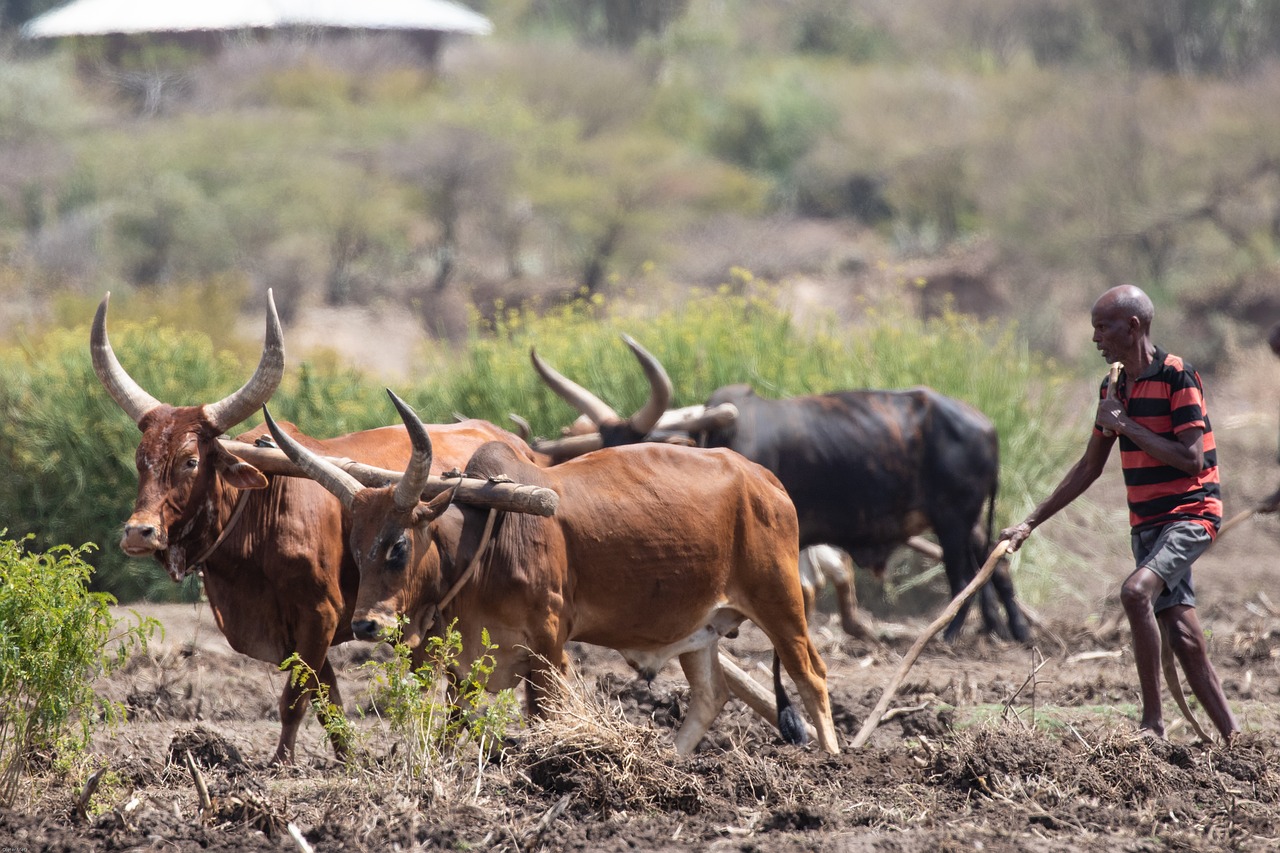
The impact of the CAP on developing countries continues to be a topic of great interest to many people, particularly in the context of the EU’s commitment to achieving the UN Sustainable Development Goals. Together with Rossella Soldi, I recently completed a report evaluating the impact of the EU’s current agricultural policy on the agriculture of developing countries which was commissioned by the European Committee of the Regions and which is now available on its website.

The terms of reference for the study asked for an evaluation of the impact of current CAP subsidies on the price of EU food produced and exported to developing countries. The research is intended to contribute to the current debate on how the proposed reform of the Common Agricultural Policy may minimise its impact on developing countries coherently with EU development cooperation’s objectives. As developing countries are increasingly heterogeneous, the focus of the study is on developing countries facing particular problems of food insecurity.… Read the rest

The start of von der Leyen’s Commission Presidency

Ursula von der Leyen, then the German Minister for Defence, emerged as the surprise choice of the European Council leaders at their meeting on 21 June 2019 following their inability to agree on any of the Spitzenkandidaten. After an amazingly short period to read herself into the brief, she presented her Political Guidelines for the new Commission and summarised these in her oral presentation as part of her confirmation hearings in front of the European Parliament on July 16 2019.

Leaders of four of the Parliament’s political groups (the EPP, S&D, Renew Europe and the Greens, sometimes called the pro-EU parties to distinguish them from the more Eurosceptic parties both on the left and on the right – it is a handy tag though I am not comfortable using that description which is inherently exclusionary) had attempted to come together and, for the first time, to forge a common political platform and a common candidate for the Commission Presidency.… Read the rest

Developing CAP Strategic Plans

Brussels returns to business this week, but slowly from the perspective of deciding on the shape of the CAP post 2020. COMAGRI is scheduled to meet on Wednesday 4 September to discuss the Union’s general budget for the financial year 2020. Also on the agenda is an item “Approval of recommendations from AGRI Coordinators” which may reveal how the Committee plans to proceed with the CAP post 2020 files.

The choices range from endorsing the work of the previous Committee and forwarding its Reports to the new Parliament for adoption, to starting afresh to re-examine the Commission’s proposal. According to Euractiv reporting in late July, the AGRI Coordinators are leaning towards a middle way, resubmitting the Reports to the Committee and keeping them open to new amendments but without radical changes (though its not clear to me how that would be enforced). Perhaps we will find out on Wednesday what the Committee proposes to do.… Read the rest

Why funding a suckler cow reduction scheme in Ireland makes sense

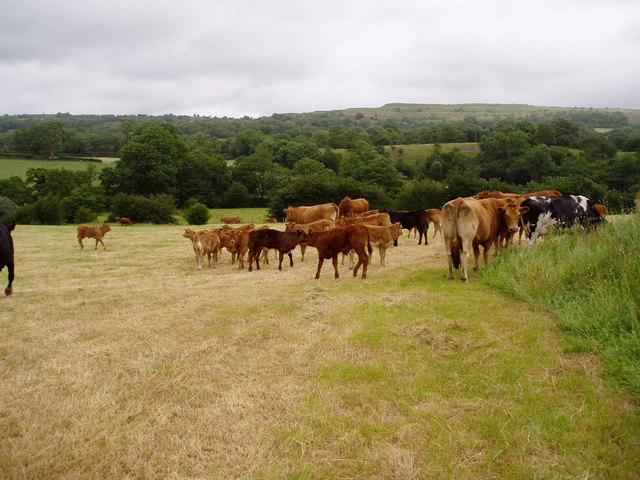
I have discussed previously on this blog (here and here) that Ireland faces particular challenges in meeting its EU reduction targets for the non-Emissions Trading Sector in 2030 under the EU’s Effort Sharing Regulation (ESR) because of the high share of agricultural emissions covered by the ESR.

Ireland has an EU obligation to reduce ESR emissions by 20% compared to 2005 levels by 2020, and by 30% by 2030.  The agricultural sector contributes 32% of national emissions, but 45% of the emissions regulated by EU legislation. The other regulated sectors include transport, heat, waste and small industry.

Emissions from all these sectors must be reduced if Ireland is to avoid contributing to global warming. Assessing the impact of Irish agriculture on global warming is complicated by the fact that methane, which is a short-lived greenhouse gas, makes up 60% of its total emissions. Nonetheless, net emissions from the agricultural and land sectors (including soils and forestry) must fall if Ireland is to meet its medium-run targets and if the combined sectors are to approach carbon neutrality by 2050.… Read the rest

The role of the LULUCF sector in the EU’s long-term climate strategy

In its Decision adopting the Paris Agreement in 2015, the Conference of the Parties (COP21) of the United Nations Framework Convention on Climate Change (UNFCCC) decided to convene a facilitative dialogue among Parties in 2018 to take stock of the collective efforts of Parties in relation to progress towards the Agreement’s long-term goal and to inform the preparation of nationally determined contributions (NDCs) (Para. 20). It also asked those Parties that had submitted intended NDCs prior to the adoption of that Decision, such as the EU, “to communicate or update by 2020 these contributions” (Para. 24). Furthermore, it requested Parties to communicate to the secretariat , by 2020, mid-century, long-term low greenhouse gas emission development strategies in accordance with Article 4, paragraph 19, of the Agreement (Para. 35). The EU must thus submit both an enhanced NDC and a long-term strategy to the UNFCCC next year.

In this post, I discuss how the LULUCF sector is treated in the EU’s long-term climate strategy.… Read the rest