Regulating the most polluting livestock farms is justified

This post was first published in Acid News No. 4, December 2022 and is reproduced here with permission.

In April 2022 the Commission proposed to amend the Industrial Emissions Directive (IED) to increase its effectiveness in reducing emissions of industrial pollutants that are harmful to human health and the environment.

The Directive seeks to ensure that installations operate using Best Available Practices. Installations covered by the IED are required to operate in accordance with a permit which sets conditions in line with the principles of the IED.

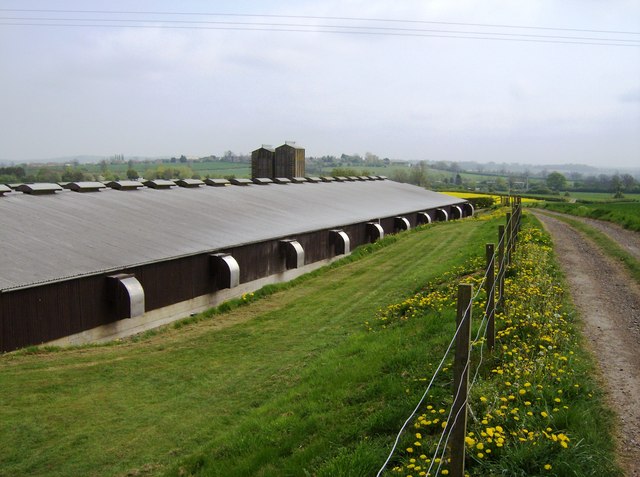
Around 52,000 installations are currently covered by the IED, of which 23,000 are large pig and poultry farms. One of the revisions proposed by the Commission is to extend the scope of the IED to include large cattle (dairy and beef) farms and to lower the size threshold for the inclusion of pig and poultry farms.

With a proposed threshold of 150 Livestock Units (LSU), this would increase the number of farms covered by the IED to around 185,000.… Read the rest

Mitigating agricultural emissions

Greenhouse gas emissions from agriculture (almost entirely non-CO2 emissions as defined in IPCC Sector 3) fell slightly in the EU-27 in 2018 but are still above their lowest level in 2012. Net emissions from cropland and grassland reported in the LULUCF sector also appear to have stabilised after some years of decline (EEA GHG Data Viewer). Further, projections of agricultural emissions by Member States, as I reported in this post, indicate that no significant reduction in emissions from agriculture is projected in the period up to 2030 even with additional measures in place.

Agricultural non-CO2 emissions are driven mainly by livestock numbers (particularly ruminants such as cattle and sheep) and nitrogen (N) fertiliser use. The emissions sectors included in the IPCC inventories (with the associated gases shown in brackets) cover 3A. enteric fermentation (CH4); 3B. manure management (CH4, N2O); 3C. rice cultivation (CH4); 3D. direct emissions from managed soils resulting from the application of synthetic fertiliers (N2O), manure applied to soils (N2O), manure applied to pastures (N2O), crop residues (N2O), and the cultivation of organic soils (histosols) (N2O).… Read the rest

Climate measures in Irish agriculture

Today, I made an online presentation to a virtual workshop jointly organised by MAREI, the Marine and Renewable Energy Ireland centre at University College Cork and the Economic and Social Research Institute, Dublin on climate and energy policy research. The talk discussed measures in agriculture to reduce Irish agriculture’s greenhouse gas footprint in the context of the country’s policy goals for climate stabilisation. Below is a transcript of the talk.

Agriculture is the single largest contributor to Ireland’s greenhouse gas emissions, accounting for 34% of total national emissions in 2018, but 46% of the emissions that are limited by the EU Effort Sharing Decision. If we are to reduce emissions in line with our national targets for 2030 and 2050, agricultural emissions must clearly be reduced. Yet they have been increasing in recent years.

Reducing absolute emissions is more difficult in agriculture because of the absence of obvious technical solutions such as exist for energy generation, transport and the built environment.… Read the rest

Should we limit methane emissions as part of air quality policy?

Last week the European Parliament’s Environment Committee (COMENVI) narrowly voted to adopt a report on the Commission’s proposal for a revised National Emissions Ceiling Directive (NECD). The NECD is one of the main measures designed to achieve the EU’s air quality targets in 2020 and 2030 under the Thematic Strategy on Air Pollution. The Commission’s proposal would tighten limits on emissions of sulphur dioxide (SO2), nitrogen oxides (NOx), non-methane volatile organic compounds (NMVOC) and ammonia (NH3) that each member state could emit for the period from 2020 to 2030 as well as introducing limits for the first time on the amount of methane (CH4) emissions after 2030. As agriculture is the single largest source of both ammonia and methane, this directive could potentially have an important impact on the agricultural sector.

The COMENVI opinion will now go forward to the full Parliament plenary at its first reading of the Commission proposal probably in October.… Read the rest