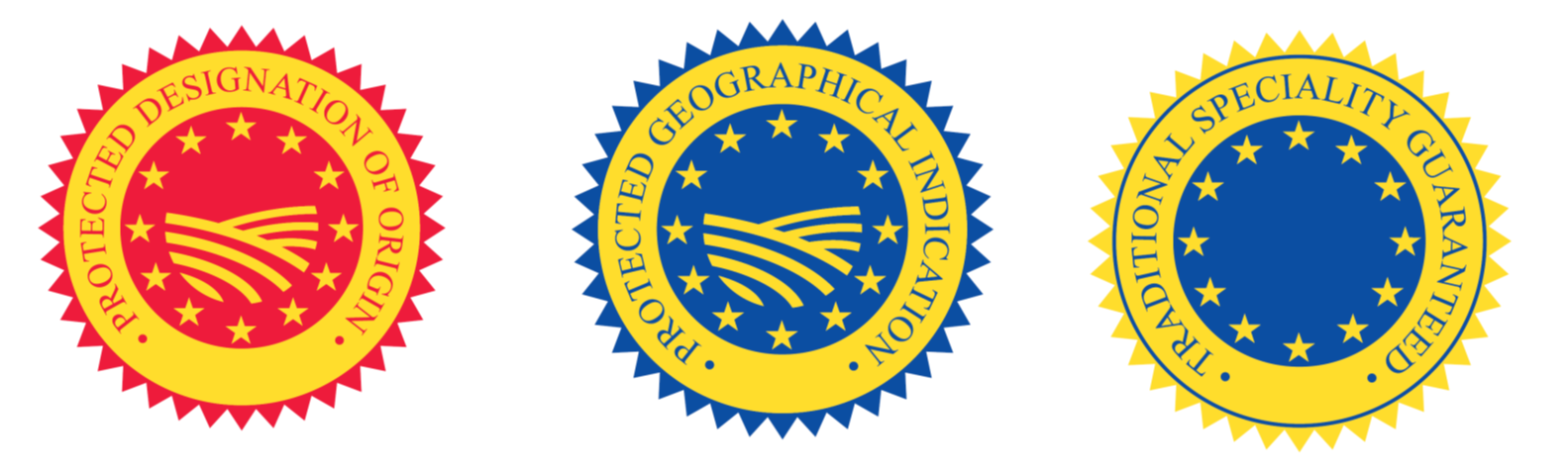
Geographical Indications as One Health Instruments

Integrating Results-Based Environmental Payments into the EU Quality Framework

By Pablo Palencia 

Pablo Palencia is a veterinarian and consultant with over 25 years of experience in One Health and agrifood strategy. He served as the Regional Minister for Rural Development, Livestock, Fisheries, and Food in Cantabria, Spain. Throughout his career, he has led the development of strategic projects for cooperatives and the establishment of PGI (Protected Geographical Indication) frameworks, focusing on integrating living heritage and ecosystem services into legal structures to ensure the resilience of livestock production systems.  info@iberap.com

European Geographical Indications (GIs), including Protected Geographical Indications (PGIs), were originally designed to protect product names, prevent imitation and reinforce rural value creation. Today, however, they sit at the intersection of trade policy, sustainability, public health and territorial resilience.

GIs are no longer only internal EU tools. They are already embedded in international trade diplomacy. They are explicitly negotiated in the EU–Mercosur agreement and EU–India trade discussions. This international recognition makes them not only cultural assets, but strategic economic instruments. Enhancing their environmental and health dimension would therefore be comparatively straightforward: the legal recognition and trade architecture already exist.

The question is not whether the GI framework should be preserved. It is whether it can evolve into a structural instrument of One Health and differentiated territorial economics.

The legal foundation is solid. Regulation (EU) No 1151/2012 established the quality schemes for agricultural products and foodstuffs, defining the link between product characteristics and geographical origin. The 2024 reform of the EU quality policy framework has strengthened protection, improved enforcement mechanisms and enhanced the role of producer groups, particularly in sustainability commitments. However, even with the reform, environmental performance remains largely optional. The regulatory system protects origin, name and production method, but does not systematically integrate measurable soil health, antimicrobial stewardship or biodiversity criteria.

This gap matters. If terroir is the foundation of differentiated quality, then soil biological function should logically form part of the quality definition. Soil health directly affects animal resilience, nutrient density, water retention and carbon sequestration. It influences antimicrobial use, farm profitability and ecosystem stability. Yet soil remains absent from structural GI requirements.

At present, the EU regulatory framework for PDOs and PGIs does not condition eco-scheme payments or other CAP environmental support on the adoption of sustainability practices; in other words, environmental commitments remain voluntary and are not linked to financial incentives. This gap limits the systemic impact of sustainability measures and represents an opportunity to create a performance-based connection between GI compliance and CAP support.

The strategic question for the European Union is how to revitalise PDO and PGI schemes as forward-looking territorial instruments in a context of soil degradation, biodiversity loss and antimicrobial resistance. Although Regulation (EU) 2024/1143 encourages sustainability commitments, their voluntary character has limited systemic impact. Strengthening GIs does not necessarily require reopening the Regulation.

Rather, the Union could progressively integrate a One Health performance dimension within existing structures. One avenue would involve reinforcing environmental expectations through secondary legislation or coordinated guidance at EU level. Another, potentially more immediately actionable, would consist in aligning GI specifications with CAP ecoschemes and results-based payments linked to measurable outcomes, particularly improvements in soil health and microbiome functionality as the first biological layer of food system resilience.

In this model, sustainability would remain a voluntary commitment within the GI framework; however, enhanced public support would be conditional upon demonstrable environmental performance. Such an approach would convert GIs from primarily promotional quality labels into structured territorial governance instruments capable of delivering soil resilience, biodiversity protection and public health co-benefits without adding bureaucratic complexity, and instead simplifying and streamlining existing administrative processes.

Despite this weakness, GIs are uniquely positioned to become operational One Health tools. They already link product, territory and community. They operate through collective governance. They possess traceability systems and inspection mechanisms. They are embedded in a harmonised EU legal framework recognised in international agreements. No new instrument would need to be invented.

My perspective is not only institutional or analytical. Nearly two decades ago, through Fundación Botín’s “Patrimonio y Territorio” programme, I worked directly with livestock farmers in the Picos de Europa (Nansa Valley) to develop the Carne de Cantabria PGI. By promoting cooperative organisation and pasture-based systems, we strengthened rural income, territorial identity, and population retention. This experience showed that Geographical Indications, when rooted in grazing, soil stewardship, and collective governance, already embody the logic of One Health. My proposal therefore draws on both policy vision and practical field experience.

However, structural limitations persist. Market penetration remains modest. Only 14% of European consumers recognize the PGI seal (Eurobarometer 504). This reflects insufficient mainstream communication, uneven promotion strategies and limited consumer awareness of the environmental and territorial value embedded in these labels. Enforcement is also uneven across Member States. Inspection systems focus predominantly on origin and procedural compliance, rather than on ecosystem performance or health outcomes. Environmental sustainability is permitted but not structurally required.

At the same time, producers face growing regulatory and environmental pressure without always receiving proportional economic support. Transitioning towards enhanced soil monitoring, biosecurity systems, digital traceability or antimicrobial reduction strategies requires investment. Without economic alignment, sustainability obligations risk becoming burdens rather than value multipliers.

Here lies a major policy opportunity. The Common Agricultural Policy (CAP) already provides the architecture for results-based payments through eco-schemes and agri-environment-climate measures. These instruments can reward measurable outcomes such as improved soil organic matter, reduced antimicrobial use, enhanced biodiversity indicators or carbon sequestration. GIs, with their defined territorial scope and collective governance bodies, are ideal vehicles for delivering such results-based payments.

Crucially, this integration would not require a larger CAP budget, but a more performance-oriented allocation. By linking GI compliance to measurable environmental and health outcomes, payments would further evolve from income support toward results-based public goods delivery, strengthening the legitimacy, efficiency and strategic value of EU agricultural expenditure.

While the proposal focuses on GIs as efficient platforms for implementing results-based payments, it is not intended to exclude producers outside these schemes. The approach is scalable: the same principles of measurable environmental and health outcomes could extend to other producers or collective organisations, ensuring fairness, broad participation, and alignment with CAP objectives.

Comparatively, other jurisdictions provide instructive examples. In the United States, geographical labelling systems such as American Viticultural Areas (AVAs) protect origin but remain largely detached from environmental conditionality. In Japan, the GI system has incorporated elements of regional branding linked to cultural identity and premium markets, yet without structural integration of soil health metrics. Some Latin American designations, particularly in coffee and cocoa sectors, increasingly combine origin certification with sustainability standards driven by private schemes. However, these models often rely on voluntary private certification rather than integration within a public agricultural policy framework.

The European Union possesses a comparative advantage: it combines a legally binding GI regime, a powerful agricultural policy and a growing One Health agenda. No other jurisdiction integrates these components at comparable scale. The missing element is policy coherence.

Strengthening GIs as One Health instruments would also reinforce their international trade dimension. Since GIs are explicitly recognised in agreements with Mercosur and are central in negotiations with India, enhancing their sustainability content would increase their strategic value abroad. It would allow the EU to export not only protected names, but verified environmental and health standards. This would strengthen the global positioning of European differentiated agriculture.

Communication is equally crucial. If only a minority of consumers recognise or actively purchase GI products, the sustainability premium remains under-leveraged. A coordinated EU communication strategy should highlight the link between GI products and soil health, antimicrobial reduction, biodiversity and territorial resilience. Consumers increasingly respond to health and environmental narratives. GIs can embody these values, but only if the message is clear, credible and measurable.

A reformed approach would therefore require three aligned actions: integrating measurable soil and health criteria within GI specifications, linking compliance to results-based CAP payments, and reinforcing EU-level communication strategies to expand consumer reach beyond niche segments.

Such an evolution would not dismantle the current system. It would deepen it. It would transform GIs from quality labels into structured territorial governance mechanisms. Farmers would no longer appear merely as recipients of production support, but as custodians of biological capital embedded in a legally recognised framework.

Europe already has the instrument. It is internationally protected, legally consolidated and politically legitimate. By aligning it with One Health principles and CAP result-based incentives, the EU could convert Geographical Indications into operational platforms for rural resilience, differentiated economic growth and environmental performance.

The opportunity is institutional, economic and strategic. What remains is the decision to connect the pieces that are already on the table.

This post was written by Pablo Palencia.

Photo credit: GI logos downloaded from the Commission Geographical Indications web page.

Europe’s future of food – articulating food security, sovereignty and sustainability

I was pleased to be invited to give a talk at the EIT Food conference on the future of food last Thursday where the organisers had given me the very ambitious title at the head of this post. I reproduce below the talk as I presented it, with one small modification. The great advantage of attending a conference of this kind is that one is alerted to new perspectives and new angles and, in the light of listening to some of the other excellent contributions to the conference, I slightly nuanced one of my conclusions below (I note the specific change at the end of this post).

My key message is that there are inevitable trade-offs in the transition to a sustainable food system, but that the discourse around a threat to food security is not helpful or correct and masks other trade-offs which policymakers should address more directly. I have included the slides in this blog post, but the presentation can also be downloaded directly if anyone is interested.

Outline

In my talk, I want to examine our state of food security, the challenge of achieving more sustainable food system outcomes where I focus on avoiding health and environmental damage, recognizing that sustainability also has economic and social dimensions, and I will conclude with some ideas on how to address the inevitable trade-offs that will accompany this transition.

Ensuring food security for its population is one of the basic obligations of governments. In recent months, we have seen increasing focus on actual and potential challenges to food security in Europe and abroad. Geo-political tensions, rising commodity prices such as for rice, and fears about the potential impact of El Niño are fuelling these concerns.

These concerns are now being used to argue that the European Union should slow down or even abandon initiatives proposed under the umbrella of the European Green Deal to transform its food system in a more sustainable direction and with better outcomes for human and planetary health.

I want to suggest that the discourse around food security in the EU has little to do with ensuring that ‘all people, at all times, have physical and economic access to sufficient, safe and nutritious food that meets their dietary needs’, to quote the FAO definition.

Instead, the food security discourse masks fears that the sustainability agenda will adversely affect the competitiveness of European farming, with negative implications for jobs and livelihoods in the sector and particularly in rural areas, could lead to the off-shoring of environmental problems, and as well contribute to higher food prices at a time when governments are still struggling with food price inflation.

I will argue that the transition to a more sustainable food system will be hugely challenging because of these many trade-offs, but that framing the issue as a threat to food security is not helpful or correct. Food insecurity exists, also in Europe, but needs to be addressed as a separate issue.

A success story – deaths from malnutrition greatly reduced…

On the global level, one of the great success stories has been the steady decline in total deaths from malnutrition as shown in this figure. The Millennium Developments Goals set by the United Nations in 2000 set a target to reduce the proportion of undernourished people by half by 2015. This target was almost achieved – the proportion fell from 23.3% to 12.9% – and encouraged the world community to set the even more ambitious Goal 2 in the Sustainable Development Goals to end hunger in all its forms by 2030 and to achieve food security.

… but hunger again on the increase

Unfortunately, since 2015 progress in eliminating hunger first stagnated and more recently has gone into reverse. The two series on this figure show both the numbers and prevalence of undernutrition at the global level. The reverse is due to the economic fallout from the covid pandemic, consequences of the Russian invasion of Ukraine, weather extremes, and an upsurge in conflict in many of the poorest countries where hunger is still endemic.

The problem in Europe has been food price inflation

In Europe, despite newspaper pictures of empty supermarket shelves in the first weeks of covid lockdowns, the food chain was remarkably resilient and food shortages were avoided. More recently, in the wake of higher energy prices (shown in yellow on this chart) and also higher global food prices, we have seen a massive increase in food prices in the EU, with food prices (shown in red in the figure) increasing by 28% in the two years to January 2023. Food prices have stabilized in recent months but show no sign as yet of falling. These high food prices, in conjunction with higher energy prices, have led to increased food insecurity among low-income households in Europe as well as to significant changes in consumer behaviour.

Lessons from the energy market crisis

Fears of potential food insecurity have also been fanned by lessons from the energy market due to vulnerabilities arising from excessive dependence on Russian energy supplies, particularly gas. EU natural gas prices were seriously affected as Russian supplies were weaponized as part of its war on Ukraine.

In May 2022 the EU Commission launched its RePowerEU plan, with the aim of phasing out dependence on Russian fuels well before the end of the decade. This will be achieved by doubling down on the green energy transition among other initiatives, by increasing the energy efficiency target (already agreed in July 2023) and by raising the binding renewable energy target by 2030. The contrast with the food sector where food price inflation has led to calls to delay or postpone the green food transition is striking and we need to understand the reasons why.

What Europeans eat

Any discussion of food security status in the EU must start with what Europeans eat and where this food comes from. The first message from this figure is that the average European eats more than enough at present, even if we allow that these figures represent food availability and not food consumption. The EFSA recommended dietary energy intake for women and men is around 2,000 to 2,500 kcal per day, also depending on age, while its recommended protein daily intake for adults corresponds to between 41 to 83 gm protein per day for adults between 50 and 100 kg bodyweight. Most of us could eat less and be better off for it.

Looking at the composition of the diet, roughly equal shares of dietary energy come from cereals, livestock and sugar and oils combined, whereas most of our protein supply comes from livestock and fish with 45% coming from plant-based sources.

The EU is largely self-sufficient in basic commodities…

In general, the EU has a high degree of food sovereignty and is fortunate to be relatively self-sufficient in basic commodities. This figure shows that the EU is a net exporter of wheat, dairy and meat products, and close to self-sufficient in coarse grains and sugar. Its main deficit areas are in vegetable oils (where a significant share of imports go to biofuels rather than food), oilseeds and oilseed meals as animal feed, and in fruits and vegetables.

These figures underestimate the importance of trade because there are often both exports and imports of the same commodity, reflecting quality differences. Reliance on trade, and particularly imports, is not a bad thing in itself. Imports allow us to take advantage of differences in comparative advantage and to purchase goods more cheaply abroad than we could produce at home, thus raising our standard of living. The fact that we import from other countries means that they import from us, raising incomes in our exporting sectors. Trade can help to stabilize price and markets in the face of fluctuations in domestic production, but it can also be a source of instability. The EU has sensibly established a European Food Security Crisis Preparedness and Response Mechanism to identify vulnerabilities and coordinate responses.

Despite this relatively favourable self-sufficiency situation EU leaders at their March 2022 informal meeting in Versailles immediately after the Russian invasion of Ukraine identified food as a strategic dependency to be addressed. Specifically, Member States committed to strengthening the EU’s food security by reducing dependency on key imported agricultural inputs, especially by ‘increasing the EU production of plant-based proteins’. In that context, the Commission announced in its food security communication its intention to review its protein policy in the first quarter of 2024.

There are many good reasons for the EU to have a protein strategy which should include the development of novel proteins as well as the cultivation of plant-based proteins. But I have never been convinced by the food security justification for extending the area under plant-based proteins to substitute for imports for animal feed. The arable land area in Europe is fixed, so any increase in protein crops will be at the expense of probably wheat and maize and, given current yield differences, overall biomass production would be reduced. Potential vulnerabilities in oilseed supply chains, which in any case are only moderately concentrated, may be a concern for the animal feed and livestock industries but this should not be confused with a threat to food security.

… and has a large production reserve currently allocated to animal production

In fact, the large share of arable crops fed to animals is a massive food reserve. Grazing animals can make a net addition to the EU food supply by converting otherwise indigestible forage crops into animal protein, but most animal protein is produced by feeding with crops using land that could be used directly for human food supply. As the figure shows on the right hand side, around two-thirds of EU cereals are fed to animals with significant conversion losses.

Lack of fertilizer is likely to be a bigger threat to food security in the EU where producing more food is not a solution. The EU’s dependence on imported supplies especially from Belarus and Russia was sharply exposed following the Russian invasion of Ukraine. Fertilizer imports and natural gas which is the main ingredient in fertilizer manufacture from Russia were excluded from sanctions as a result.

You will hear more on fertilisers from other more expert speakers at this conference. I merely note that the Farm to Fork objective to reduce nutrient losses by 50% by 2030 which is intended to reduce the use of fertilisers by 20%, although proposed in order to mitigate air, soil and water pollution as well as climate impacts, is also ideally targeted to reduce this vulnerability and, by increasing efficiency, is also a win win for farmers themselves. But not all of the Green Deal targets will necessarily have this happy outcome.

The food system has a large environmental footprint

The food system has a very large environmental footprint related to water, air and soil pollution, freshwater consumption, biodiversity losses, and climate change, as well as negative impacts on human health. The scale of these negative impacts has been regularly documented by the European Environment Agency in its State of the European Environment reports and scientific papers. Measures to address these adverse effects at least in the short run may reduce yields and production, raise costs and lower farm incomes.

More ambitious climate action is particularly needed

A potential clash with production is particularly likely in the case of climate action. The figure shows that agricultural emissions are projected only to be 4% lower in 2030 compared to 2005, increasing to 8% if currently planned measures are implemented.

In the first half of next year, the Commission will bring forward a Communication for EU emissions reduction targets for 2035 and 2040. The European Scientific Advisory Board on Climate Change has recommended net emissions reductions of 90-95% by 2040, relative to 1990 levels. The new Climate Commissioner Wopke Hoekstra gave an undertaking at his confirmation hearing with the European Parliament that he would support the at least 90% net reduction recommendation. Even with some contribution from carbon removals, this will not be possible without significant reductions in agricultural emissions.

Between 81-86% of EU agricultural emissions come from livestock farming including feed emissions. We cannot reduce agricultural emissions without reducing livestock emissions. The most effective way to incentivise this would be a trading scheme for agricultural emissions, but putting a price on agricultural emissions has yet to gain traction, even if there is wide support for the idea that farmers should be paid for carbon removals.

These environmental and climate challenges raise the question how big the agricultural sector should be in Europe and what should it produce. All of the evidence points to the fact that, with current technologies and practices, agricultural production exceeds its biophysical boundaries just discussed. In the light of negative impacts or externalities of agricultural production, a smaller agricultural sector would be optimal. This does not necessarily apply across the whole farmed landscape, but certainly in hotspot areas.

How big should the EU agricultural sector be?

The logic here is simply explained in an Economics 101 diagram. This shows the decision process in setting the optimal level of output per ha. For a farmer, the optimal level is the point Q where the marginal addition to revenue of an additional unit of output is just equal to the marginal cost of producing that unit. In making this decision, farmers only take into account their priced input costs – feed, fertilizer, chemicals, machinery and so on – though they may also be constrained by regulatory obligations. Summing all the individual farm decisions gives the national level of agricultural output.

But we know that at the output level Q there are also hidden or unaccounted net environmental costs. At low levels of output intensity per ha, these environmental impacts may be positive, but as output and intensity increases, they become increasingly negative. The socially optimal level of output is therefore Q*, which lies to the left of Q and is a lower level of output. How much lower will depend on the adjustment possibilities open to farmers, which in turn is a function of knowledge generation and innovation.

Addressing the productivist or ‘food at any cost’ argument

This conclusion that we need to limit and adjust agricultural production in Europe is contested by what I will call the productivist argument. This has two parts. The first part is the undoubted challenge to meet a growing global food demand, driven less and less by increased population but increasingly by rising incomes for the majority of this population, in the context where on the supply side the quantities of high quality land and water available for agriculture are diminishing and climate change is expected to further reduce the productivity of key crops in several regions of the world. As the figure shows, yield and production growth rates have been falling in recent years even prior to covid and the Russian invasion of Ukraine.

The second part of this argument is that the EU’s contribution to this global challenge should be to increase its production capacity to increase our net exportable surplus to food deficit countries. This was the argument used to justify allowing Member States to derogate from GAEC 8 requiring arable farmers to maintain a minimum share of non-productive land when first introduced in the 2022 season, when extended and widened in the 2023 season and behind the push for further loosening of environmental measures in the 2024 season.

But there are other ways in which the EU could increase its exportable surplus without rolling back nature protection measures. Many member states still encourage the use of crop feedstocks for production of biofuel and bioenergy. More active measures to encourage plant-based diets would have a similar effect. In any case, there is no obligation to produce food where the total costs of doing so including environmental damages exceed the value of the food produced. The EU should certainly contribute to increased food availability globally, but the most effective instrument to do this is through assistance to increase food production in developing countries themselves, or through humanitarian aid through bodies like the World Food Programme to help reverse the increase in numbers undernourished shown in a previous slide..

The potential risk of off-shoring environmental damages

The future of food is one where European farmers produce quality food in ever more sustainable ways, but it is likely to be more costly. Evidence suggests that there is a minority of consumers who are prepared to pay for sustainability characteristics and it is possible this group will grow over time. On the other hand, in times of high food price inflation and a cost of living squeeze, consumers become more price sensitive. There is thus a risk that higher environmental standards reduce EU production and lead to increased imports and the export of pollution abroad.

Environmental regulations are not always an additional cost. They can stimulate innovation and new practices that minimize any negative competitiveness impacts. European farmers also benefit from significant public support and, in some cases, tariff protection, to offset these higher costs of production. The argument that imports and thus the EU’s ecological footprint overseas will increase assumes no parallel change in consumption patterns, when it should be an objective of policy to shift consumption patterns in a similar direction.

European farmers argue that the higher standards that apply to them should also apply to imports, the notion of reciprocity also referred to as mirror clauses. Imported products are already checked for compliance with EU health and safety standards and can be refused entry if they fail to meet those standards. Farmers argue that the same rules should apply for environmental standards.

The Commission is prepared to take action where standards are of global environmental concern, and has already done so in the case of two neonicotinoids given the threat they pose to pollinators. The legitimacy of these unilateral trade measures under WTO rules remains to be tested, and there is always the risk of trade retaliation. The Commission has stated that it will consider issues on a case-by-case basis and this is undoubtedly the right approach. The longer-term aim must be to convince other countries also to adopt higher standards, rather than to introduce trade restrictions per se.

Higher food prices as a barrier to the sustainability transition

Another worry is that if producing more sustainable food is more costly that this will put the food security of low-income families at risk. At a time when more Europeans than ever have recourse to food banks, and where Eurostat barometer surveys show a rising proportion of the population experience food deprivation, this is an obvious concern.

There has long been a movement advocating for the true cost of food as a powerful tool to set up sustainable food systems. The price of food should reflect the full costs of producing it. Providing a hidden subsidy to food by ignoring its environmental costs likely results in a very skewed distribution of these benefits to better-off consumers. Food insecurity in Europe arises due to the inability to access food due to low incomes, rather than due to the unavailability of food. It follows that providing targeted support to low-income families is a more appropriate response.

A critical role for innovation

It is imperative to improve the sustainability of our food system. I have argued that, even in the short run, this will not put the food security of EU consumers at risk, and in the long run, it may even be a prerequisite for their food security.

However, transitioning towards a more sustainable food system will require significant changes in what we produce, in how we produce it, and in what we eat. In the short run, there are difficult trade-offs, not necessarily with food security, but with the livelihoods of current producers, with the EU’s consumption footprint abroad, and with the prices consumers expect to pay.

Political opposition to the necessary transition in the light of these issues is not unexpected. It is particularly potent when the costs are short run and experienced within an electoral cycle, while the benefits become evident much later and even for later generations.

There can well be scope to increase European food production in future, but this cannot be at the expense of further exacerbating environmental damage. This is where those of you – researchers, academics, innovators, farmers –have a hugely important role to play. Innovation has a critical role in delivering sustainable productivity growth and helping to minimise these trade-offs. Sustainable productivity growth can help to reconcile the apparently conflicting demands of increasing food production and environmental sustainability. We need much more investment in delivering these solutions.

Note:  The small change made in this blog post compared to the oral presentation refers to the blank statement in the oral presentation that a protein strategy could not be justified by reference to food security. Here I had in mind the European Council resolution which specifically referred to plant-based proteins. Widening the perspective of the protein strategy to include novel proteins which could be a net addition to the EU food supply and not simply a replacement for imports would evidently improve our food security.

Update 28 Oct 2023. I clarified that my criticism of the European Council argument refers to extending the area under plant-based proteins to substitute for imports of proteins for animal feed.

This post was written by Alan Matthews.

Picture credit: Camy West used under a CC by 2.0 licence.

Price formation in the market for organic products

The Dutch Authority for Consumers and Markets (ACM, the competition authority) has recently published the second of a series of reports intended to examine if there are market failures that would hinder the development towards sustainable agriculture. Both the 2020 Agro-Nutri Monitor and the 2021 Agro-Nutri Monitor contain an English language summary on which this post is based. The reports are based on research undertaken by Wageningen Economic Research on behalf of ACM.

The reports focus on the markets for organic products, while recognising that there are other sustainability labels in the Dutch retail sector. Given the ambition in the Farm to Fork Strategy to increase the area under organic agriculture to 25%, the question asked by the ACM is of wider European interest.

Food markets are generally either oligopolistic (a small number of suppliers) or oligopsonistic (a small number of buyers). Farmers often have only a small number of processors to choose between, while retail sales are dominated by a small number of purchasing organisations, which potentially gives these organisations pricing power.

One form of market failure could be where the prices paid for sustainable products (in this case, organic products) do not fully compensate for the additional costs of sustainable production.

The suspicion behind the request to ACM from the Ministry for Agriculture for the study was that sustainable production (beyond statutory minimum requirements) does not result in an additional price for primary producers. There may also be barriers to entry for producers as well as anti-competitive practices.

As background, the Netherlands is one of the few EU countries that does not give direct aid to organic producers and growers, so they are dependent on the market price to cover their additional costs. The organic area in the Netherlands was 3.2% of the utilised agricultural area in 2018, compared to an average for the EU-27 of 8.0%.

What the research found

The research over the two years covered eight products (white cabbage for sauerkraut was covered in 2020 but was replaced by brussels sprouts in 2021) covering 67% of the value of Dutch agricultural production (excluding floriculture). The following table shows the distribution of value added along the food chain comparing the conventional and organic varieties for these products for the period 2017-2019.

Source:   Agro-Nutri Monitor 2021 – Hoofdrapport

The gross margin for the primary producer is defined as the selling price (thus it includes expenditure on input costs as well as value added). Generally, the share of the primary producer is higher for the organic alternative, reflecting higher costs of production, and indeed is as high as 62% for organic pork. Organic pears are an exception but this does not necessarily mean that organic pear producers received a lower price than for conventional pears. The other players in the chain might also have adjusted their margins. However, there is evidence in the final two columns that margins of downstream actors in the food chain are adjusted by less than the selling price of organic products relative to conventional products.

The second table below throws light on this by expressing the net margin received by each link in the value chain as a percentage of the turnover of that link (thus measuring profit as a percent of sales for each actor). The first point to note is that, during this period, even conventional milk producers did not make a profit. For the 2017-2018 period covered in the 2020 report, pork producers also did not make a profit, but their income situation improved in 2019 due to the impact of African Swine Fever on market prices.

In general, it seems that the profit rate (measured as a percentage of sales) was lower for organic producers. We cannot conclude from this that their income per kilo or per hectare was lower than for conventional farmers. In fact, with the exception of milk and table potatoes, the production of organic products yielded more profit per kilo for primary producers than conventional products. Profit per hectare would depend on a comparison of the output value per hectare for conventional and organic producers (where organic producers will have higher prices but lower yields, and the relationship between these offsetting factors will vary from product to product).

Source:   Agro-Nutri Monitor 2021 – Hoofdrapport

What is particularly interesting in the table is that the net margin made by traders/processors and supermarkets on organic produce is frequently zero and often negative. This is the case even where the net margin on conventional products is positive. This implies that the mark-up taken by these actors in the food chain does not cover the basic costs of handling organic produce let alone their additional indirect costs (such as higher transactions costs due to lower volumes, a lower turnover rate, or a higher loss or wastage rate).

I had perhaps naively assumed that those who make a conscious choice to purchase organic products would be less price-conscious consumers and thus that demand for organic products would be less elastic than for conventional products. This would allow supermarkets to charge a higher mark-up on their organic sales if this were the case.

However, some digging around turns up evidence that the demand for organic produce can be more price elastic than for conventional produce. This is supported by the Wageningen University analysis in the first Agro-Nutri Monitor that shows high price elasticities among consumers. Another example, a paper by Dr Hanna Lindström at Umeå University in Sweden, also found that the demand for organic milk is relatively elastic, despite relatively small organic price premiums in the Swedish milk market.

High price elasticities might well lead supermarkets to take a lower mark-up on organic products though it would not justify that they would run a loss. This practice suggests the supermarkets concerned may be using the availability of organic produce as a signalling device to position themselves in the market to attract (usually high-income) consumers interested in sustainability into their stores and making up the losses through higher margins on other products.  

The Wageningen analysis for the ACM found that, in general, the additional costs that farmers or growers incur for most of the organic products in the study were compensated by higher market prices, but there is strong variation both over products and over time given variation in yields and prices. The analysis concluded that the main barrier preventing conversion to organic was consumers’ unwillingness to pay the higher price for sustainable products. Conversion costs can also be significant but were not seen as insurmountable. The limited profit margin on organic products in the later stages of the food chain was also noted as a further barrier.

In sectors in which the entry into organic production is relatively large, the additional price for organic products was under pressure in the period studied (dairy farming, potatoes, onions and pork products). In some sectors, such as milk and pork products, processors for organic products work with waiting lists. Discussions with the companies showed that this is an attempt not to let the supply grow too quickly in order to protect the existing organic producers against an oversupply and falling prices.

This underlines the importance of stimulating demand if the area under organic production is to increase significantly. However, as in many other countries, Dutch agriculture is largely dependent on exports, so even a significant increase in home market demand for sustainable products would not be enough.

Conclusions

In summary, the lower or even negative net margins of supermarkets do not suggest that they have greater market power over those farmers who produce sustainably. In fact, it reflects the fundamental unwillingness of (Dutch) consumers to pay more for sustainable produce, which makes it difficult for supermarkets to charge a higher price.

Other research undertaken by ACM found that making the conventional product more expensive but more sustainable will only increase the willingness of consumers to pay for organic products if there are small price differences. In the case of large price differences, making conventional products more expensive and at the same time more sustainable appears to be counterproductive for organic products and attract fewer consumers. ACM draws the (cautious) conclusion that “that providing more information about sustainability characteristics and making conventional products more sustainable and more expensive have little effect on consumers’ willingness to pay for organic products.”

The ACM in its advice to the Ministry based on these reports considered measures both to stimulate the demand for sustainable products as well as measures to limit the supply of conventional products (thus making them more expensive). It stresses that it has not investigated the effectiveness or possible side effects of these measures.

Lowering the VAT rate on sustainable products, or higher taxes on conventional products with the proceeds used to stimulate consumption of sustainable products, are proposed on the demand side. Production-limiting measures might include sustainability agreements between producers or within the chain (here the ACM points out that competition rules provide more scope for such agreements than is sometimes assumed), or even buying-out conventional farmers for whom conversion is not possible.

In either case, the ACM points to the limited effect such measures will have in the Netherlands where exports account for three-quarters of the value added in Dutch agriculture.

This post was written by Alan Matthews.

Photo credit: Camy West via Flickr, used under a CC licence.

Agriculture in the European Green Deal

The Commission published its Communication on the European Green Deal in mid-December 2019. Previously flagged in Commission President von der Leyen’s Political Guidelines for the new Commission, it defines the key political objectives of the new Commission for the next five years.

The headline commitment is to make Europe the first climate-neutral continent by 2050 (while conflating the EU with Europe may seem like over-reach by the Commission, it should be remembered that other European countries, most recently Switzerland, either participate in or are linked to the EU Emissions Trading Scheme and the UK government’s preference is that it will remain associated after Brexit).

But the Green Deal goes well beyond just climate policy and is intended to address environmental sustainability issues more broadly, including the protection of natural resources and the minimisation of resource use. The broad scope of the Green Deal is illustrated in the diagram below taken from the Commission Communication.

Source:  European Commission

Elements of the European Green Deal

The European Green Deal is advertised as Europe’s new growth strategy. It aims to transform the EU into a resource-efficient and competitive economy where there are no net emissions of greenhouse gases in 2050 and where economic growth is decoupled from resource use.

The Commission recognises that new technologies and disruptive innovation are critical to achieve the objectives of the European Green Deal. Horizon Europe is expected to play a pivotal role in leveraging additional public and private investment in research. At least 35% of its budget will fund new solutions for climate which are relevant for implementing the Green Deal.

This is a poke in the eye of those environmental groups that believe that ‘degrowth’ is necessary to stay within planetary boundaries and who call for a sharp cut in living standards to achieve this. But the Commission is right to emphasise that decarbonisation and growth must go hand in hand. The destruction of wealth and the scale of job losses involved in the green transition will only be acceptable if there is sufficient economic progress to open alternative opportunities for those displaced.

For some economists, the considerable additional investment required to decarbonise the economy could act as a needed stimulus for the European economy and help to stave off the next recession (for example, this blog post by Jean Pisani-Ferry on the Peterson Institute of International Economics website). The very low, in some countries negative, interest rate environment makes it attractive to front-load investment by issuing debt. Both public and private investment will be required although private investment will have to do most of the heavy lifting, and the question is what can trigger this?

The Commission will later this week launch a Sustainable Europe Investment Plan to support one trillion euro of investment over the next decade. The intention is to increase funding for the green transition in various ways. At least 25% of the EU’s long-term budget should be dedicated to climate action. The European Investment Bank, Europe’s climate bank, will provide further support by doubling the share of its total financing (currently 25%) dedicated to climate investment by 2025. Additional private funding will be leveraged using the EU’s budget guarantee, with the InvestEU Fund expected to leverage €280 billion of private and public investment in the coming decade. For the private sector to contribute to financing the green transition, the Commission will present a Green Financing Strategy in 2020.

Pisani-Ferry notes that these measures will not be enough to induce green capital expenditures in the absence of a high, credible, long-term carbon price that puts a monetary value on reducing emissions. The European Green Deal needs a far higher price of carbon. What this price should be in 2030 can be debated. It is certainly encouraging that recent reforms of the Emissions Trading System have led to a sharp increase in the price of allowances for the 45% of emissions covered by the ETS. However, few governments have had the political courage to price carbon adequately in the non-ETS sector and some of those that have tried, such as France, have quickly back-tracked in the face of popular protests.

Source:  European Energy Exchange via PIIE

Hence the importance of the European Climate Law that the Commission intends to propose in March  to enshrine the 2050 climate-neutrality target into law. According to the Commission Roadmap for the Climate Law it intends to transform the way EU policies are made and to set the long-term direction of travel for meeting the 2050 climate-neutrality objective through all policies, in a socially-fair and cost-efficient manner. It will aim to ensure that all EU policies contribute to the climate-neutrality objective and that all sectors play their part. By summer 2020, the Commission will present an impact-assessed plan to increase the EU’s greenhouse gas emission reductions target for 2030 to at least 50% and towards 55% compared with 1990 levels in a responsible way (36 to 43% reduction with respect to 2017, see diagram).

Source:  Pisani-Ferry 2019

To deliver these additional greenhouse gas emissions reductions, the Commission will, by June 2021, review and propose to revise where necessary, all relevant climate-related policy instruments. Part of this plan will be to further reform the Emissions Trading System to include more sectors, with buildings, transport and the maritime sector specifically mentioned. Member State targets to reduce emissions in sectors outside the Emissions Trading System will be re-examined, and the regulation on land use, land use change and forestry will be reviewed. These policy reforms should help to ensure effective carbon pricing throughout the economy.

The Commission’s climate ambitions will cause significant economic dislocation. The transition to a carbon-neutral economy will destroy jobs in extractive, energy-producing, and manufacturing industries. Decarbonisation will reduce the value of brown assets (from coal mines and oil fields to energy-inefficient housing). At the same time, it will require investing in new processes and technologies because the pricing of carbon will encourage new investment in energy efficiency and renewable energy and create jobs in the service sector. It will therefore involve significant reallocation of labour across industries.

The Commission recognises that the green transition can succeed only if it is conducted in a fair and inclusive way. It therefore proposes a Just Transition Mechanism, including a Just Transition Fund, as part of the Sustainable Europe Investment Plan, to ensure no one is left behind. This will focus on the regions and sectors that are adversely affected by the transition because they depend on fossil fuels or carbon-intensive processes.

Support will be linked to promoting a transition towards low-carbon and climate-resilient activities. It will also strive to protect the citizens and workers most vulnerable to the transition, providing access to re-skilling programmes, jobs in new economic sectors, or energy-efficient housing. It will draw on sources of funding from the EU budget as well as the EIB group to leverage the necessary private and public resources. For selected sectors exposed to international competition, the Commission intends to propose a border carbon adjustment mechanism to reduce the risk of carbon leakage.

The Just Transition Mechanism is intended to provide targeted support to help mobilise over €100 billion for the affected regions. It will have three elements: a Just Transition Fund of €7.5 billion from the EU budget managed under Cohesion Fund rules with a requirement for national co-financing using Cohesion Fund resources and additional national financing to provide between €30-50 billion of financing; a dedicated just transition scheme under InvestEU to mobilise up to €45 billion of investments; and a public sector loan facility with the European Investment Bank backed by the EU budget to mobilise between €25 and €30 billion of investments.

Cohesion Fund recipients express concern that, unless there is a further increase in the overall EU budget beyond the Commission’s draft MFF proposal, this could simply represent a reshuffling of existing Cohesion Fund resources.

The just transition mechanism will be supported by a European Climate Pact to be launched in March 2020 – bringing together regions, local communities, civil society, industry and schools. Together they will design and commit to a set of pledges to bring about a change in behaviour, from the individual to the largest multinational. This recognises the importance of the involvement and commitment of the public and all stakeholders to the success of the European Green Deal.

Farm to Fork Strategy

Farming and food systems will have a major part to play in delivering the European Green Deal. A new Farm to Fork Strategy will prepare a roadmap towards a fair, healthy and environmentally-friendly food system. It reflects an apparent seismic shift in the framing of agricultural and food policy within the Commission over the past two years in the wake of damning reports from the International Panel on Climate Change (on the climate emergency), the Intergovernmental Science Policy Platform on Biodiversity and Ecosystem Services (on the collapse in biodiversity) as well as the European Environment Agency’s State and Outlook Report on the European Environment 2020 (which, despite progress in some areas, noted that Europe is not on track to meet policy objectives and targets in many areas set out in the 7th Environmental Action Programme).

The Commission’s White Paper on the future of farm and food policy in November 2017 which set out the rationale for the current update of the CAP post 2020 now seems to belong to another age.

True, it recommended that the CAP needed to pursue higher environmental and climate ambition in the light of the Paris Agreement and the UN Sustainable Development Goals but this was couched as a further evolution of existing farm practices and farm policy.

Much sharper language is now used in the Commission’s justification for its Farm and Food Strategy:

Food production results in air, water and soil pollution, contributes to the loss of biodiversity, climate change and resource depletion. Food waste is at an unacceptable level… Obesity is also a growing concern with over half the EU’s adult population is now overweight, contributing to a high prevalence of diet-related diseases and related health care costs. The European Union has committed to lead on the Sustainable Development Goals, however major changes are needed for us to be able to deliver. It is clear: a new, healthier, fairer and more sustainable approach to food systems is needed. Business as usual is no longer an option.

The Commissioner for Health and Food Safety Stella Kyriakides bluntly repeated this message in her speech at the annual DG AGRI Outlook conference last December.

Today’s Europe is facing some uncomfortable truths. The population is growing, yet natural resources are shrinking and biodiversity is disappearing. Millions of citizens live in food poverty, yet we waste a fifth of the food we produce, and half the adult population is overweight.

We have committed to lead on the Sustainable Development Goals, but we cannot deliver without implementing major change. It is clear: a new, healthier, fairer and more sustainable approach to food systems is needed. Business as usual is no longer an option when it comes to food production.

This goes for producers as well as for consumers.

The Farm to Fork strategy for Sustainable food is a key component of the European Green Deal. European food is famous for being safe, nutritious and of high quality. It should now also become the global standard for sustainability.

This step-change in thinking within the Commission is the product of a number of factors: the mounting evidence of environmental damage with potentially catastrophic consequences if left unchecked, as spelled out in the reports cited earlier; the results of the European Parliament elections in May 2019 which saw an increase in support for green parties and which had a significant influence on the way Commission President von der Leyen formulated her Political Guidelines (even if, in the end, these parties did not vote for her election); and the dilution of the sole power of DG AGRI to determine farm policy, a process that had begun under previous Commissions but which will be accelerated by the new working structure of the Commission (see diagram below).

The farm unions do not yet appear to have grasped the extent to which the fundamentals of the farm policy debate have shifted in the past two years. Their response to the damning indictment of the impact of current farming practices in the reports quoted above has been to complain of agri-bashing and that farmers are being unfairly blamed!  

Indeed, individual farmers must work within a market and policy system that has failed to properly reflect sustainability issues and can hardly be blamed for doing the best they can within that system. The Commission’s Farm to Fork Strategy has now recognised that this system is no longer fit for purpose. Fortunately, there are also those within the farming sector, both individual farmers but also sectors such as the dairy industry, that also share this view.

The Farm to Fork strategy will have six principal objectives which feed into and are in turn influenced by other strategic objectives of the European Green Deal:

  • To contribute to Europe’s climate change agenda
  • To protect the environment (linking to the Zero Pollution Strategy and the Circular Economy Strategy)
  • To preserve biodiversity (contributing to the updated Biodiversity Strategy for 2030)
  • To encourage sustainable food consumption
  • To promote affordable and healthy food for all
  • To improve farmers’ position in the value chain.

We have some inkling of what might be proposed to address these objectives in the Mission Letters provided by Commission President von der Leyen to the various incoming Commissioners (see figure below). In agricultural policy, the Agriculture Commissioner is encouraged to seek a swift agreement on the CAP post 2020 that should be ambitious both in terms of food security and environmental and climate objectives. He is asked to focus specifically on healthier and more sustainable food production, including through organic production.

The Commissioner for Health and Food Safety will lead on the Farm to Fork Strategy covering every step in the food chain from production to consumption. She is asked to reduce the use of chemical pesticides, fertiliser and antimicrobials as well as to reduce the exposure of citizens to endocrine disruptors as part of delivering on the zero-pollution ambition. Another of her responsibilities will be to contribute to the circular economy by reducing the environmental impact of the food processing and retail sectors by acting on transport, storage, packaging and food waste. She will also stimulate sustainable food consumption and promote affordable healthy food for all by improving consumer information, notably by looking at ways to address demands for more visible and complete information on the health and sustainability of food products.

The Environment Commissioner has two major tasks relevant to agriculture. He will lead on the zero-pollution ambition with responsibility for reducing air, water and noise pollution from agriculture and food production, as well as putting forward a new Biodiversity Strategy for 2030. His work on the Circular Economy Action Plan designed to ensure sustainable resource use particularly in resource-intensive sectors may also have implications for the agricultural sector.

The Climate Action Commissioner will have responsibility for proposing the EU’s Climate Law in March 2020 that will enshrine the EU objective of climate neutrality objective by 2050 in legislation. The Commissioner will also present by summer 2020 an impact-assessed plan to increase the EU’s greenhouse gas emission reductions target for 2030 to at least 50% and towards 55% compared with 1990 levels in a responsible way.

Finally, the Trade Commissioner has two responsibilities of potential relevance to future agricultural policy. One is the task to contribute to the design and introduction of a border carbon tax working closely with the Commissioner for the Economy. While agriculture is not likely to be among the first industries covered by this tax, it may have relevance if market-based instruments (such as an emissions tax or inclusion of agriculture in the Emissions Trading Scheme) were extended to agriculture as part of a more ambitious climate package. The Trade Commissioner will also be responsible for negotiating and enforcing the sustainable development chapters in trade agreements.

Overseeing the whole will be Frans Timmermans who, as well as being Climate Action Commissioner, is also the Executive Vice-President in charge of the European Green Deal.

Many open questions

The Commission will present the Farm to Fork Strategy later this spring with a view to launching a broad stakeholder debate covering all the stages of the food chain and paving the way to formulating a more sustainable food policy. What the implications for agriculture will be when these various inputs are brought together under the responsibility of the Executive Vice-President for the European Green Deal and the Commissioner for Health and Food Safety (and not the Commissioner for Agriculture) remain to be seen.

Although the Commission has spelled out its intentions with respect to the Strategy in some detail, many open questions remain and will only be resolved in the months ahead. A shortlist of the most important questions would include the following (for a more comprehensive and detailed list, see this open letter from various civil society organisations to Executive Vice-President Timmermans) .

How will the European Green Deal be reflected in the MFF outcome for 2021-2027? The MFF negotiations were already underway on the basis of the Commission’s May 2018 draft proposa by the time the new Commission launched its Green Deal in December 2019. These negotiations have been bogged down in divisions between net contributor and net recipient Member States. The European Green Deal envisages significant additional expenditure to achieve the climate neutrality goal by 2050, notably for the Just Transition Fund for which no provision was made in the Commission’s MFF proposal. Poland specifically refused to sign up to the European Council conclusions in December 2019 endorsing the objective of a climate-neutral EU by 2050 because of the absence of assurances that Transition Fund money would be additional to the cohesion fund money it would already receive. Uncertainty around the future CAP budget also remains to be resolved.

How will the Farm to Fork strategy be reflected in the post-2020 CAP legislation? There is an awkward misalignment of timing between the ongoing negotiations on the Commission’s draft legislative proposals for the CAP post 2020 and integrating the findings of the Farm to Fork Strategy. The broad stakeholder debate paving the way to formulating a more sustainable food strategy will only be triggered in Spring 2020 and proposals for legislative change may only emerge later in the year when the CAP legislation may well be agreed.

Regulatory initiatives, such as those to significantly reduce the use and risk of chemical pesticides, as well as the use of fertilisers and antibiotics, are anticipated in 2021 and are independent of the cycle of CAP reform. Here the main focus will be on the scope of any specific reduction targets that are included.

Any moves to promote a more sustainable agriculture will have to be scheduled and funded as part of the post-2020 CAP legislation now being debated by the co-legislature. The Commission decided to support the draft legislation proposed by the previous Commission. It proposes instead that the draft CAP Strategic Plans to be prepared by Member States under this draft legislation would be examined by the Commission with reference to the ambitions of the European Green Deal and the Farm to Fork Strategy. As stated in the Green Deal Communication:

Given that the start of the revised Common Agricultural Policy is likely to be delayed to the beginning of 2022, the Commission will work with the Member States and stakeholders to ensure that from the outset the national strategic plans for agriculture fully reflect the ambition of the Green Deal and the Farm to Fork Strategy. The Commission will ensure that these strategic plans are assessed against robust climate and environmental criteria. These plans should lead to the use of sustainable practices, such as precision agriculture, organic farming, agro-ecology, agro-forestry and stricter animal welfare standards. By shifting the focus from compliance to performance, measures such as eco-schemes should reward farmers for improved environmental and climate performance, including managing and storing carbon in the soil.

While this sounds fine in principle, major questions remain whether amendments to the Commission’s draft legislation by the co-legislature will remove some of the tools and instruments foreseen to drive the green transition in farming, and whether the proposed governance arrangements are sufficiently robust to enable the Commission to ensure that Strategic Plans fully reflect the ambitions of the Farm to Fork Strategy.

What will be agriculture’s role in the transition to climate neutrality? The Farm and Food Strategy is intended, among other things, to strengthen the efforts of European farmers to tackle climate change but the Commission Communication is not very forthcoming on how this might be done. An important contribution of the Strategy should be to clarify the contribution expected from the farming and food sector and to make more concrete the roadmap to deliver this contribution.

The main policy instrument highlighted in the Communication is the requirement that at least 40% of the common agricultural policy’s overall budget should contribute to climate action. It says it will work with the European Parliament and the Council to achieve at least this level of ambition in the proposals. If the Commission wants its Farm and Food Strategy to have a minimum of credibility, it should immediately seek the agreement of the co-legislature to revise the basis for this calculation which is set out in Article 87 of the CAP Strategic Plan draft regulation.

The weightings set out in this Article bear no relationship to the real climate impact of the different CAP measures, as has been pointed out by the European Court of Auditors. This type of greenwashing, obvious to everyone, simply undermines the Commission’s credibility and the force of its argument that business as usual is no longer an option. As the Court has pointed out, the use of these weightings in the current period has meant that there was no significant shift in CAP funds towards climate action. Before the process of approving the Strategic Plans, the Commission should come forward with revised weightings based on better indicators of the actual climate impact of the different CAP measures and seek agreement on amending the draft Regulation to incorporate these improvements.

Agricultural emissions are not expected to be reduced to zero in the various pathways to net zero examined in the Commission’s 2018 Communication A Clean Planet for All, but it remains an open question whether some specific reduction targets at EU level should be set. The way in which emissions and removals in the LJULUCF sector are integrated into reduction targets may need to be reviewed when these targets are increased.

Agriculture is specifically not mentioned as one of the sectors that might be integrated into the ETS, leaving open whether the Commission sees a role for market-based instruments in reducing these emissions. The extent to which the non-CO2 agricultural emissions of nitrous oxide and methane can be reduced by efficiency improvements or technological options, or may require reductions in activity levels, specifically livestock numbers, should be examined. The role of greenhouse gas metrics, considering the specific characteristics of methane as a short-lived gas in the atmosphere, should be evaluated. The potential for diet changes, technological innovations in developing alternative proteins and reductions in food waste to drive emissions reduction along the food chain should be assessed.

How will the just transition principle apply to agriculture? The previous analysis pointed out that implementing the European Green Deal is bound to be disruptive, leading to job losses in some sectors that will disappear but also promising new opportunities in the green sectors that will emerge in the transition. Such disruption can also occur within sectors, such as agriculture. One of the reasons why developing a climate roadmap for agriculture at the EU level is a good idea is that it would help to identify the likely scale of the changes expected and where disruption might occur. Whether agricultural regions that may be adversely affected will be eligible for assistance from the Just Transition Fund is another important question for the future.

This post was written by Alan Matthews

Update 15 January 2020: The paragraph on the Just Transition Mechanism was updated to incorporate further details made availabe in the Commission’s announcement of the Mechanism the previous day.

Picture credit: Ben_Kerckx

The start of von der Leyen’s Commission Presidency

Ursula von der Leyen, then the German Minister for Defence, emerged as the surprise choice of the European Council leaders at their meeting on 21 June 2019 following their inability to agree on any of the Spitzenkandidaten. After an amazingly short period to read herself into the brief, she presented her Political Guidelines for the new Commission and summarised these in her oral presentation as part of her confirmation hearings in front of the European Parliament on July 16 2019.

Leaders of four of the Parliament’s political groups (the EPP, S&D, Renew Europe and the Greens, sometimes called the pro-EU parties to distinguish them from the more Eurosceptic parties both on the left and on the right – it is a handy tag though I am not comfortable using that description which is inherently exclusionary) had attempted to come together and, for the first time, to forge a common political platform and a common candidate for the Commission Presidency.

However, there were too many complications in light of the changed distribution of political strengths following the Parliament elections in May and the process stalled when the groups failed to reach agreement on a common candidate. Von der Leyen’s position as the incoming Commission President was confirmed by the Parliament on 16 July by the narrowest of margins. She obtained 383 votes compared to the minimum necessary threshold of 374 in a secret ballot, with 22 abstentions or blank votes.

Nonetheless, although she herself comes from the EPP group, her political manifesto was clearly influenced by her intense discussions with the political groups in the weeks leading up to the vote and was designed to appeal across the pro-EU political groups. It was pointedly ambitious when it came to climate and environmental issues (despite this, the Green political group did not endorse her nomination because it judged her climate commitments remained too vague).  Her proposal for a European Green Deal was the first of six political ambitions highlighted in the Political Guidelines and is not only intended to address climate and environmental objectives but is also put forward as the basis for future industrial and technology policy.

This commitment has subsequently been followed up in her Mission Letters to each of the Commissioners-designate in their various roles. At the time of writing the Commissioners-designate are preparing for their confirmation hearings in front of their respective Parliament Committees (scheduled to take place between September 30 and October 8). The approval process will conclude with a vote on the new College in the Parliament on October 23, with the current Commission mandate ending on October 31.

If one or more Commissioners-designate fail to make it through the confirmation process, new names will have to be proposed by the relevant Member States which could delay the process. However, the Mission Letters themselves will not change even if new names are attached to those portfolios.

In this post, I review what the Political Guidelines and Mission Letters might imply for the future of agricultural policy and rural areas. While no doubt the personalities, programmes and political skills of individual Commissioners will influence the way in which these mandates are executed in practice, they provide an important statement of intent regarding the priorities of the von der Leyen Commission.

New Commission organisational structures

Commission President Juncker pioneered the idea of Commissioners working in project teams led by Vice-Presidents. His Commission had originally seven Vice-Presidents including the High Representative (the EU’s foreign policy chief). Von der Leyen has strengthened this idea, appointing a total of eight Vice-Presidents. Three of these are Executive Vice-Presidents who will also manage a policy area.

Once again, the Vice-Presidents will play a coordinating role in managing groups of Commissioners (now called Groups rather than teams) but one has the sense that this coordinating role is more institutionalised in the coming Commission and that the Vice-Presidents will play a larger role in driving policy in their respective areas. For example, Vice-Presidents will hold a monthly meeting (“Strategic Jour Fixe”) with each Commissioner and his or her senior staff under their wing which will be prepared by the Secretariat-General. This is one institutional way in which von der Leyen will attempt to hold Commissioners to account in delivering their mandates.

Von der Leyen has also published the main principles of the working methods that will be used by the incoming Commission. The principle that has caught most attention here is the “One in, one out” principle whereby every legislative proposal creating new burdens should relieve people and businesses of an equivalent existing burden at EU level in the same policy area. Given that there are already mechanisms under the Better Regulation Initiative to identify redundant or ineffective regulations (such as the REFIT Platform) there seems no justification for a patently crude rule that has no requirement to take account of the impact and benefits of a measure in addition to any burdens that it may impose.

Towards sustainable food, agriculture and rural areas

The mandate for the Commissioner-designate for Agriculture, Janusz Wojciechowski, falls squarely under the leadership of the Executive Vice-President in charge of the European green deal, Frans Timmermans (note that Rural Development is no longer part of the Commissioner’s title although he continues to have executive responsibility for this area). However, agricultural and rural policy will also be shaped by important mandates given to other Commissioners.

An overview of the mandates included in the Mission Letters relevant to agriculture and rural areas is shown in the following diagram. As regards agriculture which sits squarely in the Commissioners’ Group pursuing the green deal, relevant mandates also include Health, Environment and Climate. For the rural development part of his responsibilities, the Commissioner-designate will report to the Vice-President for Democracy and Demography, Dubravka Šuica, who has the responsibility for coordinating work on a long-term vision for rural areas. The mandates of some other Commissioners, shown under the heading ‘Supporting roles’, can play a more tangential role in influencing outcomes in agricultural and rural policy.  Finally, the Budget Commissioner-designate has the mandate to assist the Commission President in landing a new Multi-annual Financial Framework for 2021-2027, which will determine the resources available for the initiatives to be taken in these policy areas.

The Mission Letter to the Commissioner-designate for Agriculture, Janusz Wojciechowski, begins with the standard recital recognising the important role of farmers (“Providing affordable food for citizens and a fair standard of living for farmers is one of Europe’s founding missions. Today, around 21 million people work in 11 million farms across Europe. They remain part of the fabric of our rural communities and a provider of safe, nutritious and affordable food for Europeans”).

However, it quickly moves on in the next paragraph to what von der Leyen clearly identifies as the important challenge. “Our agricultural sector is both central to achieving our climate-neutrality commitments and also sharply exposed to the effects of climate change. We must support it on both fronts to ensure that it stays competitive.

The Commissioner is expected to swiftly conclude the negotiations on the Commission proposal for the CAP post 2020 and then to focus on the full implementation of the new policy. Von der Leyen insists that the legislation itself “must be ambitious in terms of food security and environmental and climate objectives” and when approving the CAP Strategic Plans he is required to “pay particular attention to the benchmarks and requirements on environment- and climate-related objectives”.

The mandate also recognises that the new CAP “should incentivise the uptake of digital technologies and ensure the sector can remain competitive, provide a fair income and support young farmers”. Nonetheless, the mandate makes clear that priority should be given to achieving a high level of environmental and climate ambition when signing off on the CAP Strategic Plans.

This focus is underlined by the mandate given to the Commissioner-designate for Health, Stella Kyriakides, to propose a ‘farm to fork’ strategy for sustainable food. This is the first time that specific responsibility has been given to one person in the Commission to ensure joined-up thinking with respect to the European food system as a whole. It will be widely welcomed by all those with an interest in food policy. For the Commissioner-designate for Agriculture, the responsibility will be to look at the contribution of agricultural production to overall food system sustainability, with organic agriculture mentioned specifically.

Another dimension of the Commissioner for Health’s mandate that will impact on the sustainability agenda in agriculture is von der Leyen’s zero-pollution ambition. Specifically, this Commissioner is required to work on protecting plant health, reducing dependency on pesticides and stimulating the take-up of low-risk and non-chemical alternatives, while also protecting citizens from exposure to endocrine disruptors. Perhaps surprisingly, no specific mention is made of the need to address anti-microbial resistance in this brief.

The mandate for the Commissioner-designate for the Environment and Oceans, Virginijus Sinkevicius, will also have broad implications for future agricultural policy.  He is tasked with putting forward a new Biodiversity Strategy for 2030, “looking at everything from Natura 2000, deforestation, land degradation, protected species and habitats, and sustainable seas and oceans”. He will also lead on the zero-pollution ambition which “will require a wide-ranging approach looking at air and water quality, hazardous chemicals, emissions, pesticides and endocrine disruptors”.

The mandate for the Commissioner-designate for Climate, Frans Timmermans, will be to ensure that Europe is on target to achieve a climate-neutral economy by 2050. To meet this target, von der Leyen is proposing to raise the level of ambition for the 2030 EU emissions reduction target from a 40% cut over 1990 levels to a cut of 50% immediately and to raise this after 2021 to 55%.

This will require re-opening the difficult negotiations on the division of these increased reductions between the energy sector and large industry in the Emissions Trade Scheme (ETS), on the one hand, and the sectors including agriculture covered by the Effort Sharing Regulation, on the other hand. This will, in turn, imply more stringent national targets for emissions reduction for the non-ETS sectors including agriculture by 2030 which will increase the urgency to make the CAP more fit for purpose in incentivising a reduction in agricultural emissions than is the case at present.

An interesting element in von der Leyen’s Political Guidelines is her proposal to introduce a Carbon Border Tax to avoid carbon leakage, a responsibility given to the Commissioner-designate for the Economy,  Paolo Gentiloni. Her suggestion is that this Tax would be introduced gradually, starting with a number of selected sectors. As carbon leakage can be high in the agricultural sector and this is often used as an argument against regulation of agricultural emissions, the success of this initiative could enable and encourage a stricter approach to reducing agricultural emissions within the Union in the future.

The mandates given to other Commissioners-designate may also have significant spill-over effects for agricultural policy. Those highlighted in the diagram above include Innovation and Youth (which will have responsibility for allocating resources to research), Energy (with responsibility for renewable energy policy), and Trade (responsible for negotiating and concluding free trade agreements including agricultural market access).

As was expected, Phil Hogan, the current Commissioner for Agriculture and Rural Development, gets the nod to move to Trade where, among other things, he will have responsibility for negotiating a free trade agreement with the UK after Brexit. In response to concerns that trade policy overrides EU objectives in the area of climate, environment and labour rights, von der Leyen proposes to create the post of Chief Trade Enforcement Officer to monitor compliance with the sustainability provisions of the EU’s trade agreements who will report to Hogan.

Finally, as noted already, the Commissioner for Agriculture’s responsibilities for rural development will be coordinated under the Vice-President for Democracy and Demography, and will include input from the Commissioner for Cohesion and Reforms. The only specific item highlighted in the mandate is to prepare a long-term vision for rural areas (do I sense another Cork conference in the offing?) and it is surprising that reference was not made to strengthening ongoing initiatives such as Smart Villages and digitalisation. One has the impression this was intended mainly as a marker that rural areas were not overlooked, and it leaves scope for the incoming Commissioner to put his own mark on this policy area recognising that, under the Commission proposal, the budget for rural development in the CAP will be curtailed.

Conclusions

Under the EU’s political decision-making structures, the Commission can only propose; it is up to the Council and Parliament together to legislate. Many commentators have pointed to the slim majority by which von der Leyen was confirmed in the Parliament to suggest that she cannot depend on a stable majority to implement the policies in her Political Guidelines. And her nomination by the Member States in the European Council is also unlikely to smooth the path of many of her legislative proposals.  

Only time will tell whether this speculation is correct or not. For the moment, we can but applaud the clear identification of the challenges facing Europe and the many concrete proposals to address these challenges set out in the Political Guidelines and subsequent Mission Letters.

From an agricultural policy perspective, the new Commission promises a much sharper focus on addressing environmental and climate objectives within the CAP, a holistic approach to developing a ‘farm to fork’ sustainable food strategy, efforts to reduce the use of mineral fertiliser, pesticides and other chemical products and support for the circular economy. These ambitions are all to be welcomed.

Sceptics will say that the Commission has missed its opportunity because the proposed draft CAP legislation for the period after 2020, despite a promising shift to greater flexibility in the design of CAP interventions at the national level and good intentions about raising the level of environmental and climate ambition, does not have the governance mechanisms to deliver on these objectives (see, for example, this critique of the Political Guidelines by the Institute for European Environmental Policy).

But despite an unpromising start in the Council and COMAGRI it is too early to write off the outcome of the legislative process. Von der Leyen’s Political Guidelines and the proposed organisation of the incoming Commission may be enough to hit the ‘reset’ button although the key requirement for progress, agreement on the next MFF, remains an uphill battle.

At any rate, in my view there is a lot to celebrate as the new Commission prepares to take up office hopefully on 1 November. Let us seize the opportunity!

This post was written by Alan Matthews

Update: The post has been corrected to make clear that the date to achieve a climate-neutral economy in the EU is 2050.

Karl Falkenberg’s reflections on the CAP

Karl who, you might well ask? Well, Mr Falkenberg has just published a reflections paper setting out a European vision for sustainability which goes into some detail about his views on the future of EU agricultural policy. Indeed, one-fifth of his relatively short document is devoted to this topic. You might well shrug that yet another viewpoint added to the hundreds of others (including those aired on this blog) discussing how Europe’s Common Agricultural Policy should be reformed after 2020 is hardly worth getting exercised about. But Mr Falkenberg’s views may deserve more attention than most.

After all, Mr Falkenberg spent more than six years as Director-General in DG ENVI after a distinguished career in the Commission civil service including a stint as Deputy Director-General in DG TRADE. Perhaps more important, he was appointed in September 2015 as a Senior Advisor for Sustainable Development to the President of the European Commission, Jean-Claude Juncker. He sits along with a group of elite advisors to the President in the European Political Strategy Centre (EPSC), an in-house think-tank within the Commission reporting directly to the Commission President.

His brief at the EPSC is to assess the implications of the commitments in the UN Agenda 2030 for Sustainable Development for the Commission and to advise on how to integrate sustainable development into EU policies. This reflections paper is his first public pronouncement and thus deserves close attention. At a minimum, Mr Falkenberg will surely find it easier to get the ear of Commission President Juncker than most others trying to influence the shape of the future CAP.

Unfortunately, despite good intentions, the advice given in the paper is rather vague and ill-defined and sometimes downright harmful. It remains to be seen what influence it might have in the debate now starting on the future CAP.

Starting observations

Mr Falkenberg observes that the great success of EU agriculture in increasing productivity in recent decades has come at a price:

continued reduction of the number of farms and farm employment, larger specialised production units, leading to monocultures with considerable environmental impacts and food quality that is increasingly questioned by consumers …. Long-term trends on rural employment, farming incomes and major environmental indicators for soil quality and biodiversity remain problematic.

He notes that “there are serious concerns about the environmental impact of our present agricultural production methods. Large-size animal production leads to large amounts of manure, which the crop production cannot absorb … [leading] to unhealthy levels of nitrogen in surface waters in the main production areas”.
In his view,

All of this argues for a lower animal per hectare production process. Comparable problems exist in intensive fish farming and intensive farming overall. The number of infringements and Court cases against Member States for not respecting the Nitrates and the Water Framework Directives illustrates that intensive farming negatively impacts the environment. Large monoculture affects biodiversity negatively to a point where pollinators are coming under real threat.

Despite several reform projects of the CAP, he notes that “its monetary benefits still largely go to large intensive farming practices which increases not only social inequalities, but also environmental problems, monocultures and rural desertification”.

Focus should be put on agroecology

In response to this damning diagnosis, Mr Falkenberg’s first suggestion, referring to the recent French initiative to encourage an integrated use of resources and nature-based solutions, is to propose that agroecology should be given full attention in a debate about transforming the Common Agricultural Policy. Now agroecology has developed a multitude of meanings for different groups (including, at a very basic level, whether it is spelled agroecology or agro-ecology, I tend to prefer the former while Mr Falkenberg prefers the latter). In particular, it is both a science and a political movement.

As a science, agroecology combines ecology (interactions among biological components at the field level, or agroecosystem) and agronomy (integration of agricultural management). It has been defined as “the global study of agroecosystems protecting natural resources, with a view to design and manage sustainable agroecosystems”. The objective of the science of agroecology is to understand better how to live with and take advantage of biological systems both to improve agricultural productivity, and enhance natural systems (natural capital). In the words of one advocate, “This approach is based on enhancing the habitat both aboveground and in the soil to produce strong and healthy plants by promoting beneficial organisms while adversely affecting crop pests (weeds, insects, diseases and nematodes)” (Altieri, p. 1).

Agroecological science has identified a number of practices which contribute to this objective. There is a strong focus on the importance of soil health, minimising the loss of soil nutrients and increasing soil organic matter. Another lesson is to minimise the use of external inputs and to work towards closed-loop systems. A further insight is the importance of promoting biodiversity, biological interactions and synergies, and to make use of these natural processes for purposes like pest management, weed control and waste management.

However, agroecology is also the name for a political movement which seeks to empower and champion the ingenuity of small farmers. From this perspective, agroecology is much more than simply a set of farm practices for managing land and growing crops. Political agroecology takes a food system approach and focuses on the distribution of power relationships along the food chain. Political agroecology is anti-industrial agriculture, anti-large scale agriculture, anti-biotechnology, critical of current food consumption habits and anti-trade. Political agroecology and the food sovereignty movement are largely overlapping responses to the perceived ills of a globalised food system dominated by large corporations.

Mr Falkenberg is careful to define what he sees as the merits of agroecology:

[A]gro-ecology … builds upon the natural synergies between plants, animals, humans and their environment. Agro-ecology brings back to farming the 3 dimensions of sustainable development: to sustain agricultural production, preserve healthy environments and support viable food and farming communities. Agro-ecology also builds upon innovation, but in an inclusive manner through e.g. social innovation and different production methods and new business models. Agro-ecology is highly knowledge-intensive, based on techniques developed on the basis of farmers’ knowledge and experimentation. Agro-ecology is economically viable for those making the choice to transform their production methods to be in charge of the process rather than dependent upon firms producing seeds and inputs. It also contributes to fighting climate change and to improving nutrition. It deserves full attention in a debate about transforming the Common Agricultural Policy.

While this paragraph is largely an advocacy of agroecology on scientific grounds, there are echoes of the political movement in the notion that innovation can only be based on farmers’ knowledge and experimentation (for those of us of a less religious disposition, the neglect of the contribution of modern science, informatics and engineering can seem absurd) while the claim that agroecology can also help to improve nutrition (in the context of developed countries) seems far-fetched. However, Mr Falkenberg comes closest to the political agroecology movement in his advocacy of a future European agriculture based on labour-intensive small farms.

The labour-intensive small farm mirage

Mr Falkenberg’s vision is set out as follows:

Agriculture potentially can offer significant employment opportunities if organised in less industrial fashion. A European policy that would support more labour intensive integrated farming could not only contribute to stop the exodus but also to create additional employment in rural areas to maintain a traditional landscape, reduce qualitative and quantitative water and soil problems and help restoring biodiversity in agriculturally used land.

Organic farming and other forms of alternative agriculture are indeed more labour-intensive than conventional farming. Whether this is a positive attribute in itself can be questioned. It is easy to absorb people into low-productivity occupations which pay low wages. Sustainability in the long run (which in its economic dimension must include competitiveness) requires the ability to generate high-productivity work which can remunerate those engaged in the industry at comparable levels to the rest of the economy.

What is striking is the ahistorical nature of Mr Falkenberg’s vision. It runs counter to the historical experience of employment trends in agriculture over the past century, historical trends which are grounded in well-understood economic forces and which have led to the steady consolidation of farms over time. The primary motor behind these trends is rising labour productivity in the non-farm sector which has allowed a steady rise in living standards.

For farm living standards to keep up, farm labour productivity must also increase, particularly as for most of this period the prices of farm products were rising less rapidly than the prices of manufactured goods and services. The rising cost of labour, in turn, encouraged the substitution of capital for labour and induced innovation in industrialised countries that was labour-saving. Economies of scale due to the greater use of capital equipment on farms as well as the need to spread the fixed labour input on farms over a larger area have both driven the process of farm structural change and consolidation.

Unless we are prepared to assume that labour productivity, and thus living standards, in the nonfarm sector are going to drastically fall, or that prices of agricultural products are going to go through the roof relative to the prices of nonfarm goods and services, these economic forces behind farm consolidation will continue to determine the evolution of farm structures. In that context, pursuing a more labour-intensive agriculture is really a call to return to a managed and regulated agriculture, with high prices, behind high tariffs and closed to the rest of the world (as, to be fair, the food sovereignty movement wants and desires). It is an unattractive manifesto with no long-term perspective.

Mr Falkenberg is aware of this criticism. He quotes some results from agroecological research in France which showed both lower use of external inputs (nitrogen and herbicides) and higher returns per hectare in grain production, mainly attributable to a larger presence of natural pollinators in a more diversified landscape. He argues this research tends to demonstrate that agroecological practices would by no means imply a reduction in output, nor substantial price increases.

While not dismissing these conclusions, the key indicator in terms of farm viability – the return per unit of labour input – is not quoted. Because agroecological farming is more management and labour-intensive than conventional farming with chemicals, I suspect the comparison on that account might not be so favourable.

What might this mean for the CAP post-2020?

The unwarranted attention to the political aspects of agroecology distracts attention from the serious environmental challenges associated with conventional farming rightly outlined by Mr Falkenberg. Agroecological practices are certainly one approach to tackling these problems. This raises the questions: why are these practices not more widely adopted, and how might the CAP do more to facilitate their adoption? How should the CAP encourage farmers to “produce differently”?

The economic perspective provides one answer. Innovation responds to relative prices (this is what is meant by saying that innovation is induced). During the post-war period, farmers were encouraged to take advantage of cheap supplies of fossil fuels, cheap supplies of chemical fertilisers, the availability of chemical crop protection products and plentiful supplies of water, while at the same time being able to externalise and pass on to others the negative environmental consequences of using these inputs. Industrial or large-scale agriculture is not resource-intensive per se, this was the economic environment in which it developed.

To develop a more sustainable agriculture, these negative externalities have got to be internalised. Were carbon emissions, soil erosion, depletion of water aquifers, nitrogen leakage, loss of biodiversity and air pollution all to be properly priced or regulated, agroecology and other sustainable farm practices would compete on a more level playing field. How to design proper incentives, and the relative roles of regulation and markets to achieve this objective, are hugely important topics. It is thus of interest to ask what the Falkenberg paper has to say on these issues.

His over-riding advice to President Juncker is unexceptional if still likely to be controversial in some quarters:

Planning the next agricultural reform, more attention should be placed on sustainability, and strengthening rural development support type instead of direct payments linked to acreage.

Mr Falkenberg recognises that this would be just a first step. But in spelling out what this might mean in practice, I confess to a certain sense of disappointment. Having expertly teed up the problems, his specific recommendations are a bit of a hotch-potch:

Do a Fitness check of the Common Agricultural Policy [an explicit reference to the recent NGO call for this]; reverse the trend to overspecialisation on single farm activity; support integrated farming as a means to secure farm income in the face of world price fluctuation; privilege quality over quantity and seek to sustainably use renewable resources on land and at sea; develop more awareness for health related dietary attitudes by consumers and orient producers in the same direction; foster a more strategic use of Public Procurement rules by the Member States, building on the Commissions’ work for Innovation (Horizon 2020 support for pre-commercial procurement and public procurement innovative solutions).

There are further specific suggestions scattered throughout the text.

“The Commission must think “circular” when it will redefine the Common Agricultural Policy.”

In view of the importance of diet-related diseases in the EU, nutrition, health, environment/climate impact and consumer perception are key elements to be integrated on equal footing in the shape of the next reform of the Common Agricultural Policy.

“Linking rural development and agricultural policy back to health and environment is an economic, social and environmental must”.

“Local foods, short supply chains and on-farm processing could become a key element in meeting the primary goal of the Common Agricultural Policy to increase farm revenue and to provide quality food to European citizens.

Ecosystem services should be part of a sustainable European agriculture, using “green infrastructures” to address issues like floods, climate change, soil erosion.

As part of a necessary re-evaluation of the role of natural capital, measures aimed at ensuring the preservation of pollinating insects in general terms (such as minimisation of harmful pesticides and a sufficient level of crop diversity for their nutritional needs) are essential.

These are all high-level objectives, but what these might mean for the precise modalities of the next CAP reform is not spelled out any further. This may be too much to expect. After all, the reflections paper addresses sustainability, and the CAP is addressed as just one of a number of sustainability hotspots. On the other hand, without specific recommendations, timelines and targets, the ideas will be easy to dismiss.

Next steps

Following the adoption by the UN in September 2015 of the 2030 Agenda for Sustainable Development, including a set of 17 Sustainable Development Goals (SDGs), the EU has a key role in the implementation of the SDGs.

As an initial step the Commission is carrying out a broad mapping exercise, including all relevant DGs, in order to identify which existing EU policies already address challenges set by the SDGs and where there are the gaps and weaknesses.

The Commission plans to finalise this mapping in October 2016 and to publish the results. It will be interesting to see how many of Mr Falkenberg’s ideas are reflected in this document and ultimately in the Commission’s thoughts on a future CAP.

This post was written by Alan Matthews

Photo credit: Montado in Portugal by Diana Tuomasjukka via Flickr.

Leaked Commission figures sound death knell for biodiesel

Euractiv has a post purporting to contain the default carbon emission values to be assigned to biofuels made from feedstocks such as palm oil, soybean or sugar beet when the European Commission releases its proposed legislation on biofuels and indirect land use change later this spring, based on a leaked draft of the proposal.

Any application of the leaked values would severely hamper the ability of biodiesel manufacturers to enter into the EU’s new biofuels certification plan, announced last August.

Assuming that the EU does not relax its overall target for renewable energy in transport fuel (10% by 2020), if biodiesel fails to make the grade this would raise the demand for bioethanol made either from domestically-produced sugar beet or imported either from Brazil or Southern Africa.

This post was written by Alan Matthews.