The likely size of the CAP budget in the next MFF – reprise

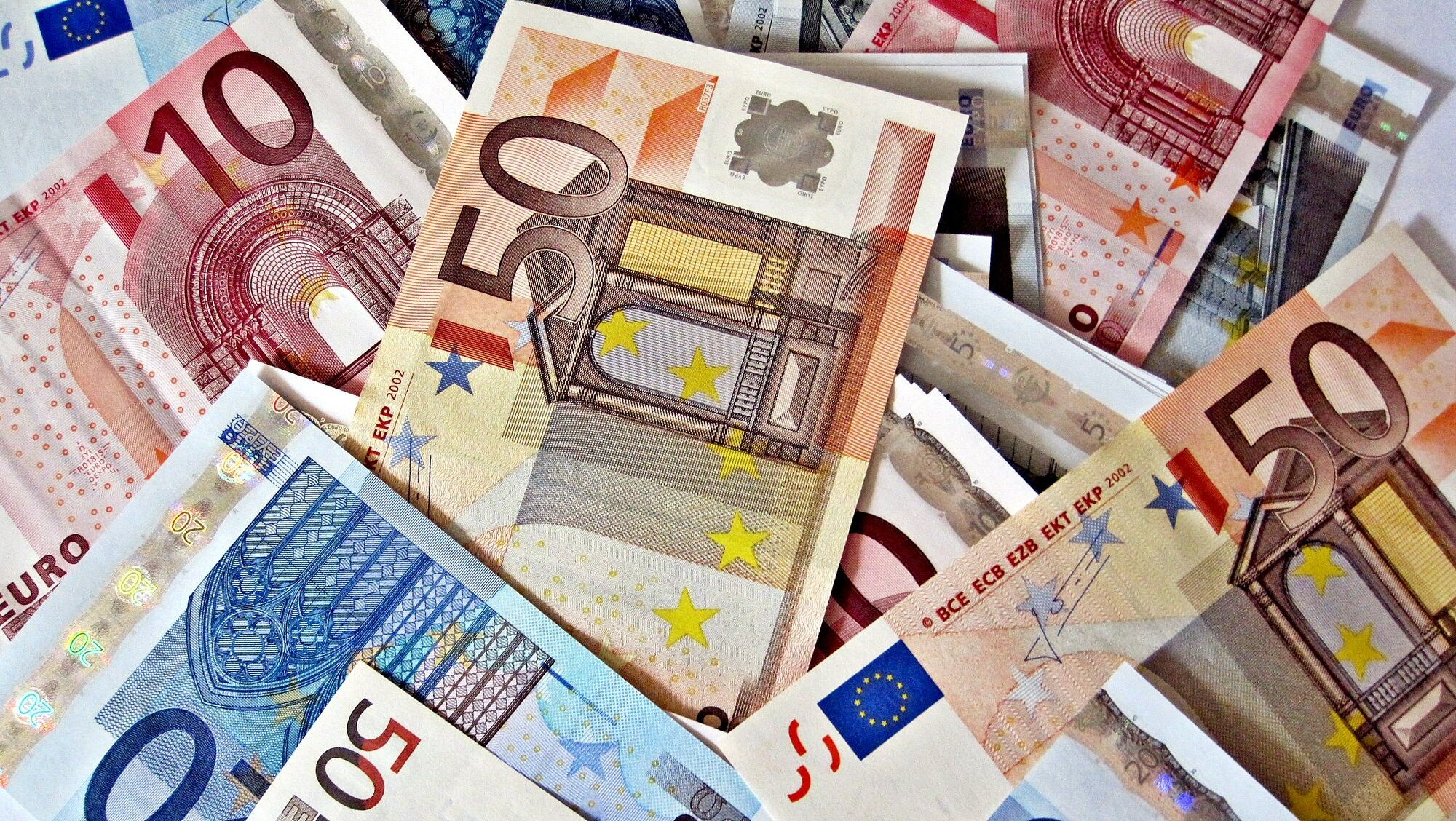
The likely size of the CAP budget in the next programming period 2028-2034 has been highly contentious since the publication of the Commission’s MFF proposal last July. Among agricultural stakeholders, the AGRI Committee in the Parliament, and the AGRIFISH Council, the amount available for the CAP under its two Pillars in the current programming period was compared with the size of the minimum ring-fenced amount for CAP income support in the proposal and found wanting. The Commission, on the other hand, has insisted on the potential for a larger CAP budget depending on the choices made by Member States. In its most recent Fact Sheet ‘Unlocking synergies integrating EU funding for farming and rural communities’ published in January 2026, it claims “the EU budget in support to farmers and rural communities for 2028-2034 can be at the same level or even higher than the current CAP allocation 2021-2027”.

I have written several blog posts exploring the different factors that will influence the size of the future CAP budget.… Read the rest

Geographical Indications as One Health Instruments

Integrating Results-Based Environmental Payments into the EU Quality Framework

By Pablo Palencia 

Pablo Palencia is a veterinarian and consultant with over 25 years of experience in One Health and agrifood strategy. He served as the Regional Minister for Rural Development, Livestock, Fisheries, and Food in Cantabria, Spain. Throughout his career, he has led the development of strategic projects for cooperatives and the establishment of PGI (Protected Geographical Indication) frameworks, focusing on integrating living heritage and ecosystem services into legal structures to ensure the resilience of livestock production systems.  info@iberap.com

European Geographical Indications (GIs), including Protected Geographical Indications (PGIs), were originally designed to protect product names, prevent imitation and reinforce rural value creation. Today, however, they sit at the intersection of trade policy, sustainability, public health and territorial resilience.

GIs are no longer only internal EU tools. They are already embedded in international trade diplomacy. They are explicitly negotiated in the EU–Mercosur agreement and EU–India trade discussions.… Read the rest

Institutional Reform Will Shape the Next CAP

How the new MFF architecture and the NRPP could redefine design, delivery and decisions in EU farm policy

This guest post is written by Emil Erjavec, Professor of Agricultural Policy and Economics at the University of Ljubljana, Slovenia. Professor Erjavec is a member of the Tools4CAP Coordination and Support project within the Horizon Europe programme supporting the design and monitoring of the national CAP Strategic Plans 2023-2027 and laying the foundations for a sound preparation of post-2027 Strategic Plans.

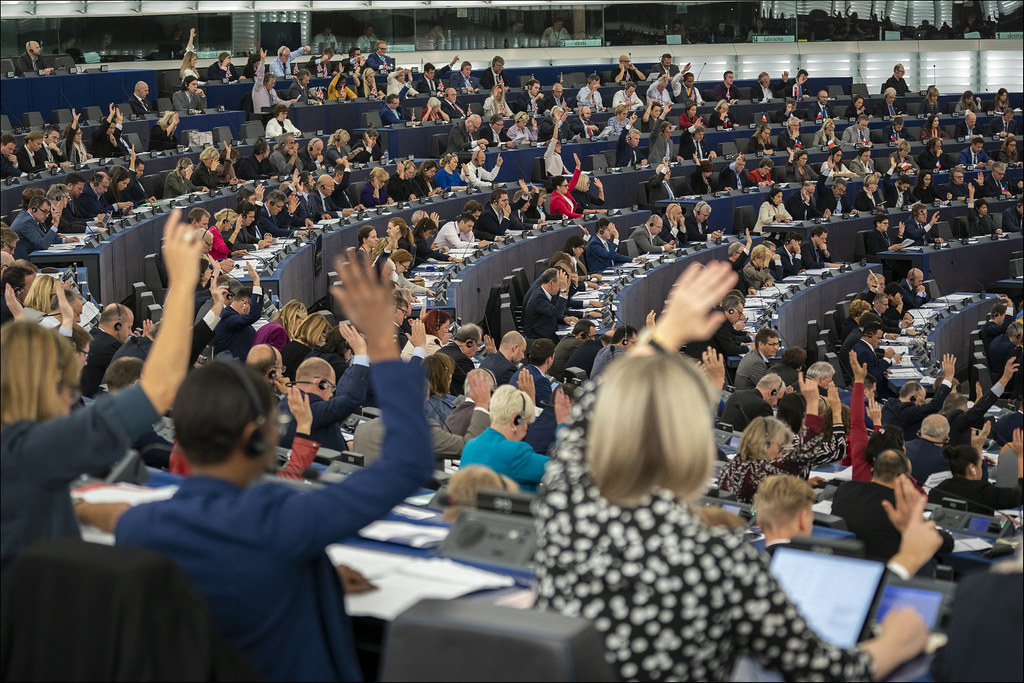
The storm sparked in July by the European Commission’s proposal for the next Multiannual Financial Framework (MFF) and its reorganization of the Common Agricultural Policy (CAP) has now subsided, at least publicly. Some calm may reflect efforts by the Commission President to placate the European Parliament – reportedly by setting aside 10% of the National and Regional Partnership Plan (NRPP) envelope outside of the earmarked amounts for the CAP and CFP for rural development in addition to the ring-fencing already promised for CAP income support.… Read the rest

An uncommon CAP?

The European Court of Auditors has released an Opinion on the draft CAP and CMO Regulations proposed by the Commission. It is a welcome analysis as it moves the discussion on the CAP in the next programming period 2028-2034 beyond the budget and governance issues that have dominated the debate to date, and provides an analytical examination of the changes proposed by the Commission for the CAP interventions themselves. There are many useful insights in the Opinion.

The one interpretation that I found puzzling was the ECA’s discussion of crisis payments for farmers (Article 38 of the Fund proposal). Box 5 in the Opinion appears to suggest that, in the event of natural disasters, access to exceptional measures funded by the EU Facility would only take effect after crisis payments to farmers had been established. My reading of Article 34(9) suggests that it excludes financing crisis payments to farmers in the event of natural disasters by the EU Facility, although why that should be the case is not explained or justified, but it does not require such payments before Member States can seek additional aid from this Facility.… Read the rest

Beyond the CAP: Recognising Living Heritage for Generational Renewal

A new structural framework for rural resilience and global competitiveness in the face of the Mercosur challenge

By Pablo Palencia Garrido-Lestache

Pablo Palencia Garrido-Lestache is a veterinarian and consultant with over 25 years of experience in One Health and agrifood strategy. He served as the Regional Minister for Rural Development, Livestock, Fisheries, and Food in Cantabria, Spain. Throughout his career, he has led the development of strategic projects for cooperatives and the establishment of PGI (Protected Geographical Indication) frameworks, focusing on integrating living heritage and ecosystem services into legal structures to ensure the resilience of livestock production systems. info@iberap.com

                              _________________________________________

Europe faces a silent but structural crisis in agriculture: generational renewal is failing. Across many EU regions, more than half of farm holders are over 55, while only a small fraction of young people enters the sector. In many rural areas, when a farmer retires, the farm simply disappears.

For decades, the Common Agricultural Policy (CAP) has been the backbone of European agriculture.… Read the rest