Europe’s fertiliser dilemma: Balancing affordability, competitiveness and strategic autonomy

When the European Commission published its Fertiliser Action Plan (FAP) in May 2026, it set itself an ambitious objective:

“A successful strategy for fertilisation in the EU requires industry and farmers to work hand in hand in partnership and a transparent value chain: ensuring competitiveness for both farmers and the fertiliser industry and EU strategic autonomy, while helping to achieve EU climate and environmental objectives.”

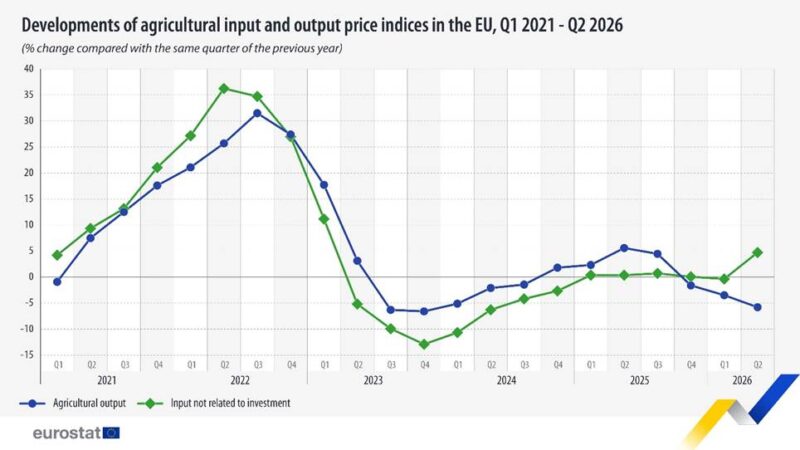
That statement captures the central challenges of European fertiliser policy. Farmers need reliable supplies of nitrogen fertiliser at affordable prices to remain competitive. European fertiliser manufacturers seek protection from imports that they argue benefit from lower energy costs and weaker environmental standards. At the same time, the European Union wants to decarbonise fertiliser production, reduce nitrogen losses, and strengthen strategic autonomy.

Reconciling these objectives has become more difficult following the closure of the Strait of Hormuz in spring 2026 and the resulting increase in natural gas and fertiliser prices.… Read the rest

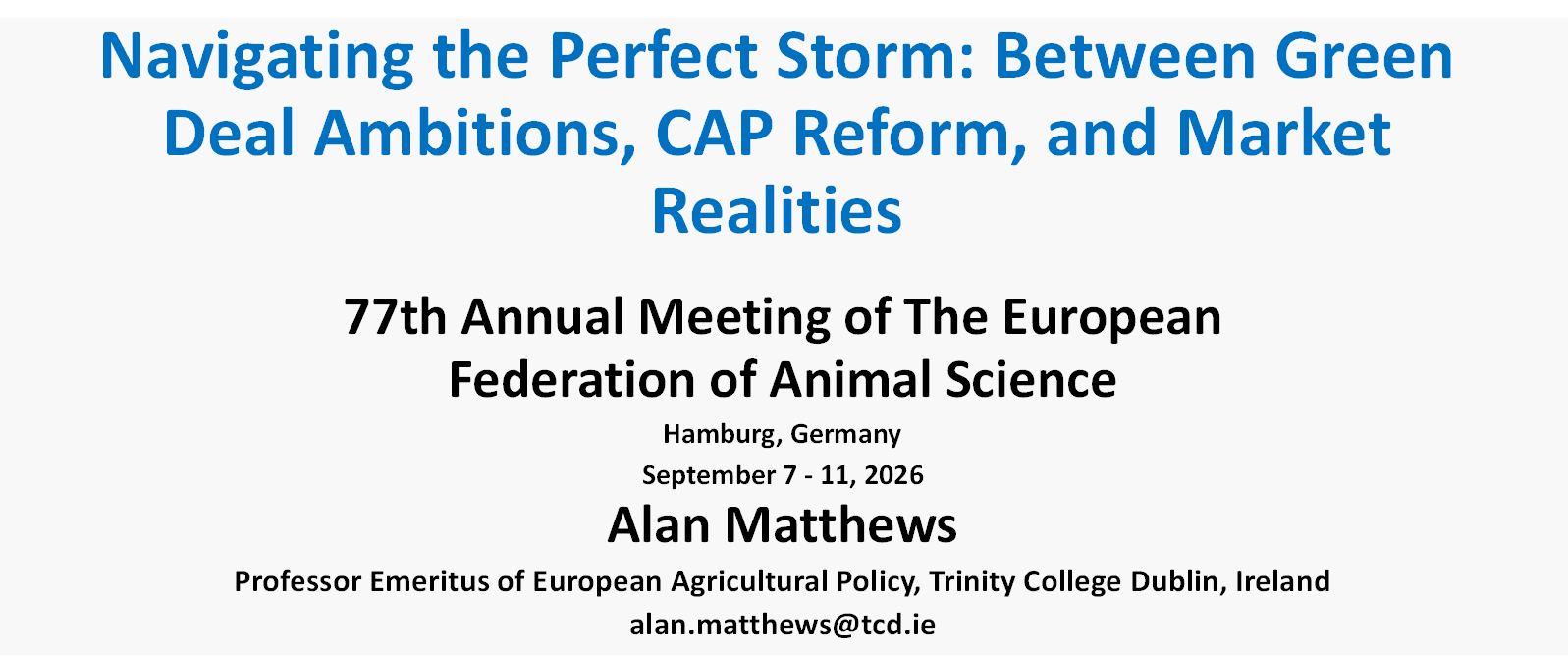
The Future of Livestock. Navigating the Perfect Storm: Between Green Deal Ambitions, CAP Reform, and Market Realities

Today I had the pleasure to take part in a plenary session of the EAAP- European Federation of Animal Science annual conference in Hamburg. My contribution provided an overview and update of policy developments and challenges affecting the EU livestock sector. The talk was not a direct commentary on the Commission’s Livestock Strategy published in July this year, but it addresses many of the same issues. The presentation accompanying the talk can be downloaded here, and the whole plenary session can be viewed on the EAAP YouTube channel (link to be provided later). I reproduce the talk more or less as delivered in this post.

The perfect storm

Let me begin by stating the obvious. Livestock is of major economic and political importance to the European Union.

It accounts for around 40% of agricultural value added. It generates some €400 billion in annual turnover and supports around 7 million people across the value chain.… Read the rest