Commission’s 2030 Climate Target Plan proposes radical changes in the rules governing agricultural and land GHG emissions

In my post in March 2020 on EU climate policy and agriculture, I highlighted the limited expectation among Member States in reporting their projected greenhouse gas (GHG) emissions to the European Environment Agency (EEA) to make significant reductions in agricultural emissions by 2030.

Given the greater climate ambition set out in the European Green Deal and the Farm to Fork Strategy, I argued that, to properly incentivise, motivate and track progress in the farming sector, a focus on agricultural emissions alone is misleading and should be supplemented by also considering changes in land use emissions and removals that are under the control of farmers. I noted this would require changes in the way that the EEA presents its inventories as well as rethinking the relationship between emissions covered by the Effort Sharing Regulation (ESR) and emissions and removals in the land sector (land use, land use change and forestry or LULUCF) in EU climate policy.… Read the rest

CAP decisions make slow progress towards the green transition: I Definitions

Last week both the AGRIFISH Council and the European Parliament agreed their negotiating mandates to enter the final stage of the approval process for the framework of the future CAP, thus opening the way for the trilogue process with the Commission to reach final agreement on the CAP legislation in the early part of next year.

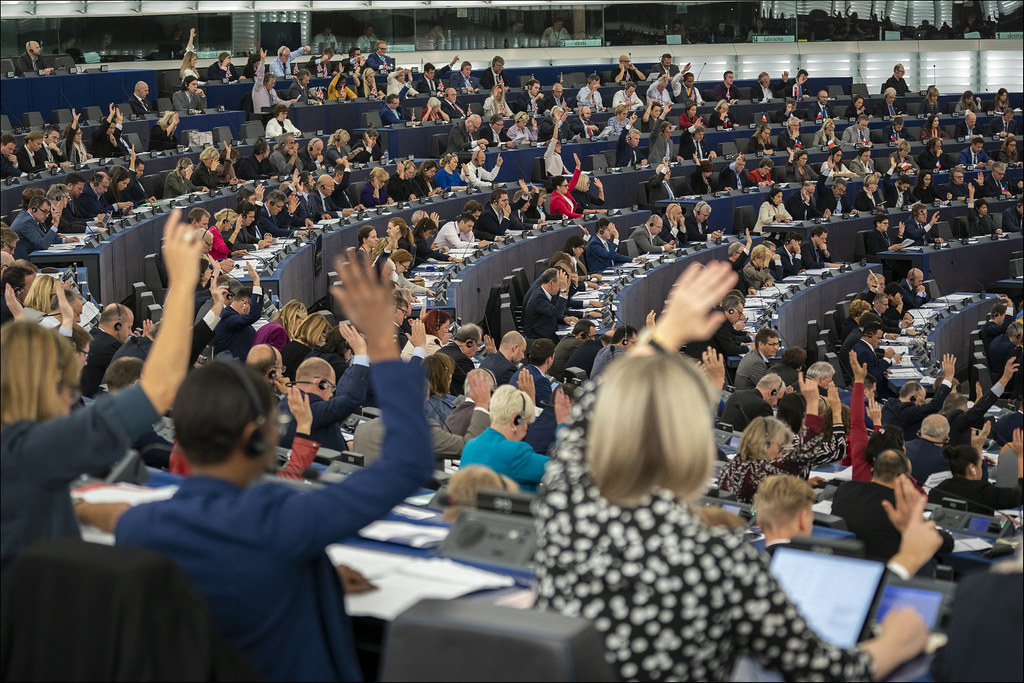
Agreeing these positions was not without drama in either the Council or Parliament. The Council press statement announcing that its negotiating position had been agreed was issued at 04.43 on Wednesday morning 21 October 2020 after an extra night of negotiations following its two-day meeting. The voting on the Parliament’s amendments took place during the week under intense lobbying, and with cries of foul directed at the voting procedures used.  

The very first amendment voted (AM1147) tabled by the Greens political group called for the rejection of the Commission proposal but only gained the support of 24% of those voting.… Read the rest

Agriculture in the European Green Deal: From Ambition to Action

Today I had the pleasure of contributing to a panel discussion on the European Green Deal at the annual DG AGRI workshop on the medium-term outlook for EU agricultural markets, income and environment. This post consists of a slightly extended version of my remarks.

The European Green Deal is a growth strategy that aims to transform the EU into a prosperous, fair, competitive and resource-efficient economy, with no net emissions of greenhouse gases by 2050, zero pollution and a decoupling of economic growth from resource use. It is also a response to urgent challenges.

Despite progress in some areas, many trends in the farm and food sectors are going in the wrong direction. We are not on target to meet the 2030 Sustainable Development Goals relevant to food systems.

  • Agricultural emissions of greenhouse gases are rising and Member State projections to 2030 show little sign of improvement
  • Ammonia emissions are rising, posing a challenge in meeting air pollution limits
  • The gross nitrogen balance improved between 2000 and 2010 but there has been no further improvement up to 2015.
Read the rest

Commission publishes Member State envelopes for direct payments and rural development 2021-2027

The Commission has published without fanfare on its MFF website the breakdown of national pre-allocated ceilings for direct payments and rural development for the coming 2021-2027 programming period as well as their scheduling over the seven-year period. These figures are based on the European Council’s MFF conclusions in July 2020 and assume that these conclusions will eventually receive the approval of the European Parliament. As I write this, this is not a foregone conclusion. Talks between the German Presidency and the Parliament negotiators on the MFF package made no progress yesterday evening despite an attempt by the Presidency to break the logjam by offering to find additional funds for budget lines supported by the Parliament at a mid-term review of the MFF. The next opportunity for a breakthrough is next Wednesday 14 October when the negotiators have agreed to meet again.

In my previous post, I pointed out that the absence of these figures was the main reason the Council and Parliament negotiators could only reach a partial common position on the CAP transition regulation in June this year.… Read the rest

CAP Transition Provisions 2021 Regulation delayed

In June 2020 the Council and COMAGRI negotiators reached a partial provisional political agreement on all essential aspects of the Commission draft Regulation extending the CAP provisions beyond 2020 (I discussed the Commission’s draft Regulation in this post). This followed a decision by COMAGRI to enter into negotiations with the Council without first seeking a Parliamentary first reading position on the basis of its legislative report on the draft Regulation agreed in May 2020. While most of the provisions of the CAP direct payments regulation would apply as long as that regulation remains in force, the transition regulation is necessary to provide a legislative basis for other CAP spending after 1 January 2021.

It had been intended that this political agreement would have been brought to the Parliament plenary taking place this week for a first reading/single reading approval. This did not happen. Instead, the transition regulation has got caught in the crossfire of various political disagreements.… Read the rest

New approaches to rural land management and governance: restoration, regeneration and rewilding

We are pleased to welcome this guest post by Professor Ian Hodge, Professor Emeritus of Rural Economy in the Department of Land Economy, University of Cambridge, UK.

Agricultural policy reform will always be unfinished business.  Shifting political priorities and power bases, changing technologies and developing environmental pressures will all alter the balance of priorities and mechanisms.  But opportunities for radical policy reforms are rare.  The periodic reforms of the CAP have as yet failed to deliver the level of change that many readers of this CAP reform blog would like to see.  However, in the UK, Brexit offers a unique opportunity to rewrite policy from the ground up.  While the focus here is on the UK, the same principles and opportunities arise across the EU.

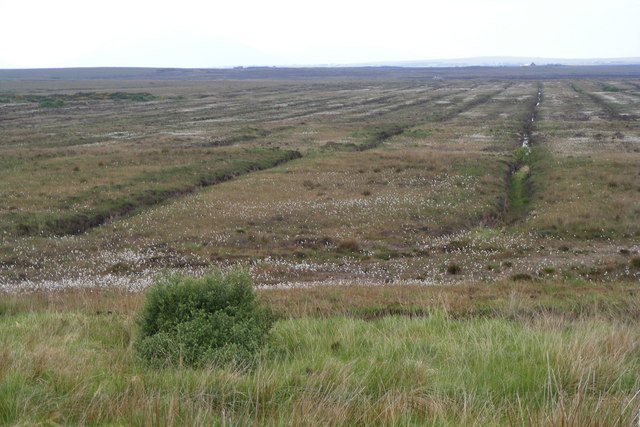
The environment has come to take pole position in discussions about rural land policy.  We have identified and designated our most precious habitats through a comprehensive system of protected areas.… Read the rest

Keep an eye on coupled income support

Much attention is rightly focused on the changes that the co-legislature (Council  and Parliament) might make to the Commission’s proposed green architecture in the next iteration of the CAP (see contributions from Lakner and Pe’er and ARC2020 as well as my earlier post). There are also other elements in the proposed CAP framework with potentially important implications for production and environmental outcomes. In this post I focus on the proposals for one of the more production-distorting elements, namely, coupled income support.

The background

The conditions governing what is called ‘voluntary coupled support’ (VCS) in the current CAP and what the Commission has relabelled ‘coupled income support’ in its May 2018 proposal for the next CAP have been gradually relaxed in the current CAP period (I have previously described in earlier posts the changes made in the 2013 CAP reform and the changes introduced in the Omnibus Regulation). They would be further relaxed under the Commission’s proposal.… Read the rest