This post was first published in Acid News No. 4, December 2022 and is reproduced here with permission.
In April 2022 the Commission proposed to amend the Industrial Emissions Directive (IED) to increase its effectiveness in reducing emissions of industrial pollutants that are harmful to human health and the environment.
The Directive seeks to ensure that installations operate using Best Available Practices. Installations covered by the IED are required to operate in accordance with a permit which sets conditions in line with the principles of the IED.
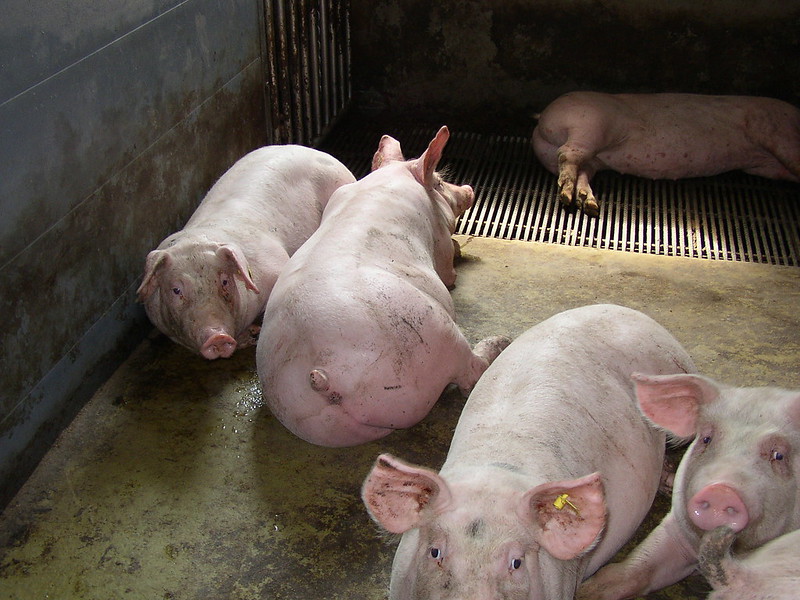
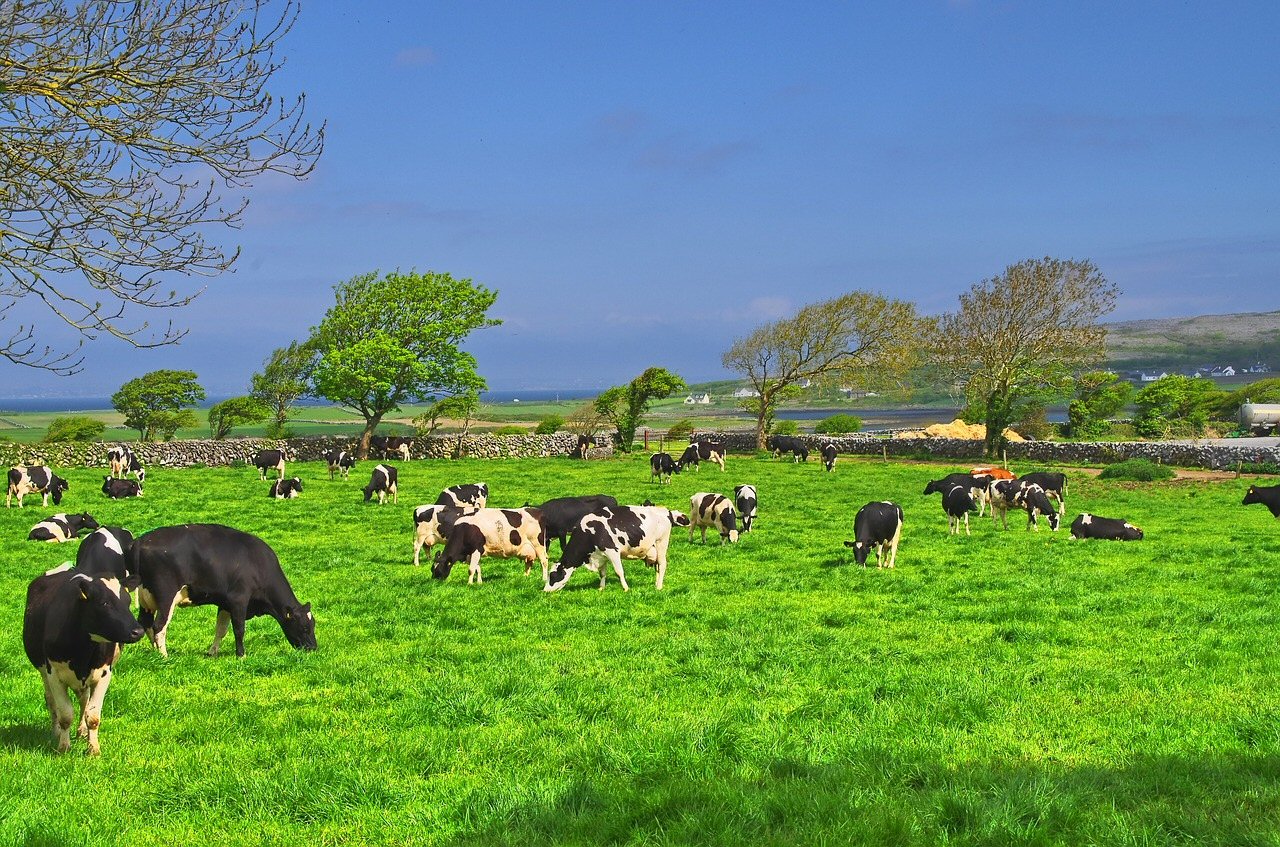
Around 52,000 installations are currently covered by the IED, of which 23,000 are large pig and poultry farms. One of the revisions proposed by the Commission is to extend the scope of the IED to include large cattle (dairy and beef) farms and to lower the size threshold for the inclusion of pig and poultry farms.
With a proposed threshold of 150 Livestock Units (LSU), this would increase the number of farms covered by the IED to around 185,000.… Read the rest